

Introduction
Packing is an important part of travel planning. Many travelers carry more items than needed. This leads to heavy bags, extra fees, and difficulty during movement. Packing light helps reduce these problems.
Efficient packing means carrying only required items and organizing them in a way that saves space and time. This guide explains how to pack light for long trips using simple steps.
Understanding Light Packing
Light packing focuses on reducing weight and volume. It helps in:
- Easy movement
- Lower baggage cost
- Faster packing and unpacking
- Better organization
Travelers who pack light manage trips with more control.
Step 1: Choose the Right Bag
The type of bag affects packing.
Options include:
- Backpack
- Carry-on suitcase
- Travel bag
Select a bag based on trip duration and airline limits. Avoid large bags that encourage overpacking.
Step 2: Plan Based on Trip Duration
The number of days affects packing.
Steps:
- Count travel days
- Plan clothing for each day
- Limit extra items
Avoid packing for “just in case” situations.
Step 3: Check Weather and Destination Needs
Weather impacts clothing choice.
Before packing:
- Check weather forecast
- Consider cultural norms
- Plan clothing based on activities
This helps avoid unnecessary items.
Step 4: Create a Packing List
A list prevents overpacking.
Divide items into categories:
- Clothing
- Toiletries
- Electronics
- Documents
Stick to the list while packing.
Step 5: Use Clothing Rotation Strategy
Instead of packing for each day, reuse items.
Tips:
- Pack clothes that can be worn multiple times
- Choose items that match with each other
- Plan laundry if needed
This reduces the number of clothes required.
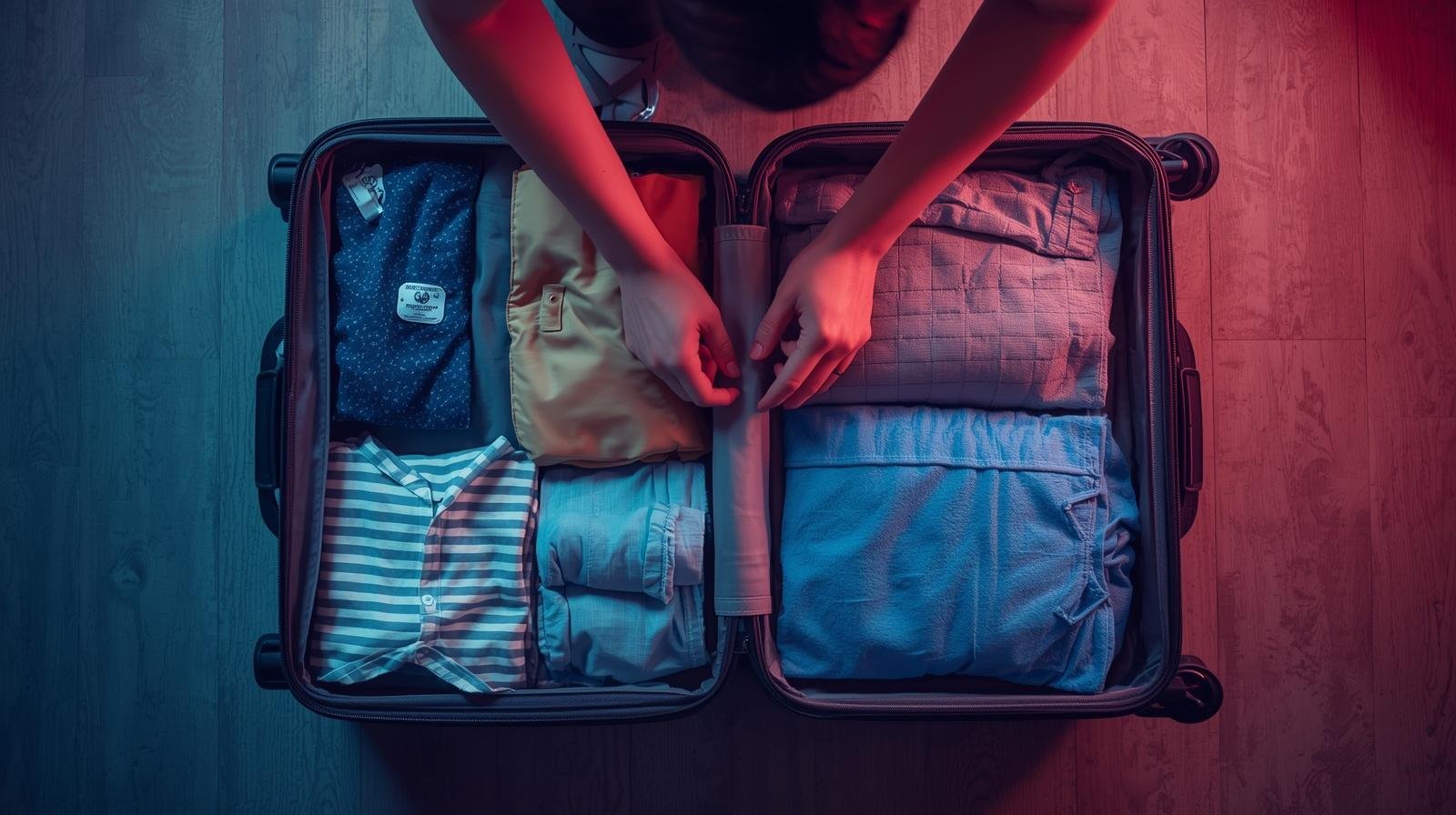
Step 6: Roll Clothes Instead of Folding
Packing method affects space.
Rolling clothes helps:
- Save space
- Reduce wrinkles
- Improve organization
Arrange rolled clothes in rows inside the bag.
Step 7: Use Packing Cubes or Bags
Packing tools help organize items.
Benefits include:
- Separation of items
- Easy access
- Better space usage
Use different cubes for different categories.
Step 8: Limit Shoes and Bulky Items
Shoes take a lot of space.
To reduce load:
- Carry one extra pair only
- Wear heavier shoes during travel
- Avoid packing bulky items
This frees space in the bag.
Step 9: Carry Travel Size Toiletries
Toiletries can increase weight.
Use:
- Small containers
- Multi use products
Avoid carrying full size items.
Step 10: Pack Multi Use Items
Some items serve more than one purpose.
Examples include:
- Clothing for different occasions
- Items that can be layered
This reduces total number of items.
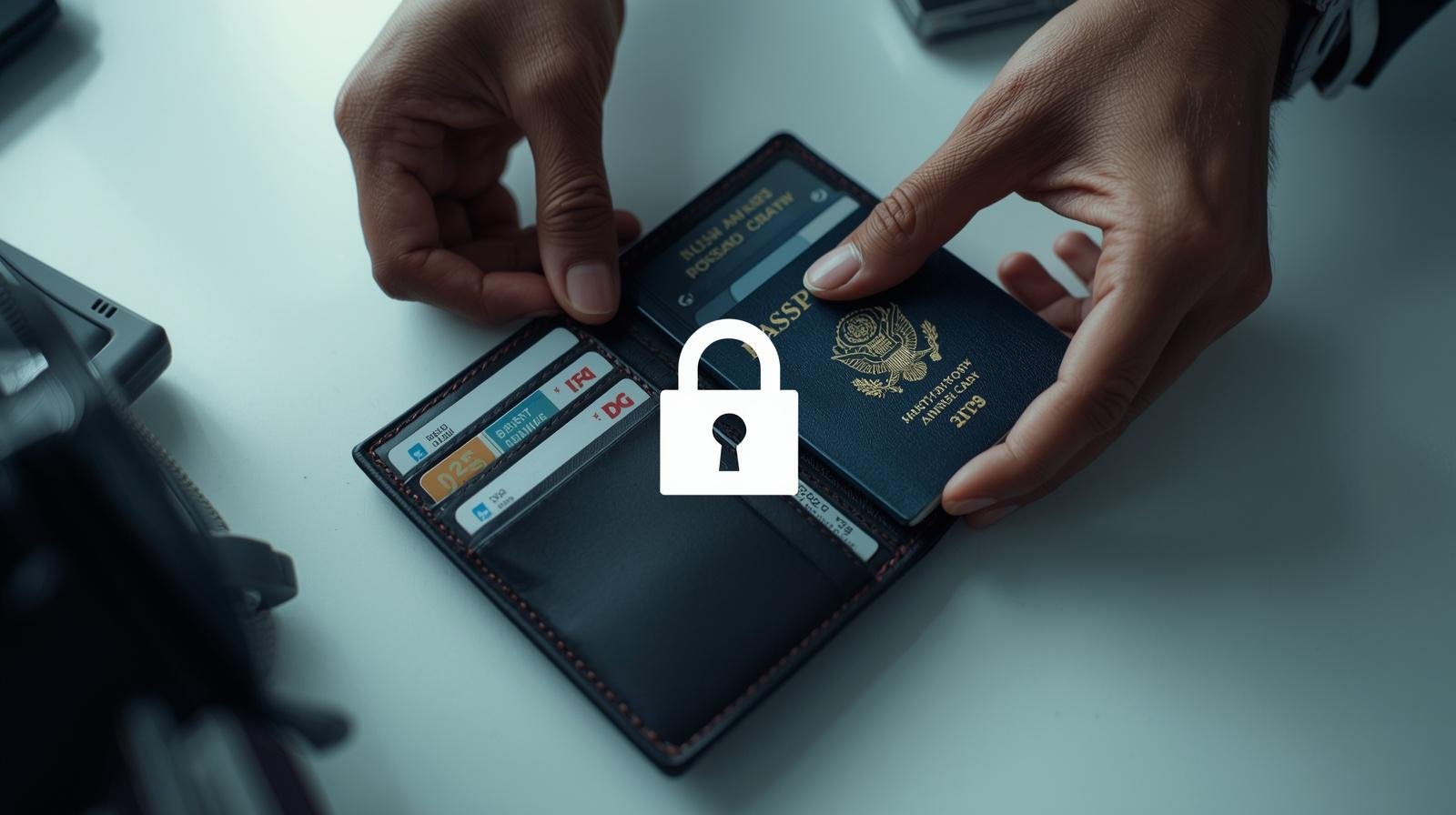
Step 11: Keep Important Items in Carry On
Essential items should be easy to access.
Include:
- Documents
- Money
- Phone and charger
- Medicines
Do not place these in checked baggage.
Step 12: Avoid Packing Unnecessary Items
Many items are not used during travel.
Avoid:
- Extra clothing
- Duplicate items
- Large accessories
Focus only on what is required.
Step 13: Use Laundry Options During Trip
Laundry helps reduce packing load.
Options include:
- Hotel laundry services
- Local laundry shops
- Hand washing clothes
This allows reuse of clothing.
Step 14: Keep Liquids in Secure Bags
Liquids may leak during travel.
To prevent issues:
- Use sealed containers
- Place them in plastic bags
- Keep them separate from clothes
This protects other items.
Step 15: Weigh Your Bag Before Travel
Weight limits apply to most transport systems.
Before leaving:
- Weigh your bag
- Adjust items if needed
This avoids extra charges at the airport.
Step 16: Organize Items for Easy Access
Arrangement matters during travel.
Tips:
- Keep frequently used items on top
- Separate clean and used clothes
- Use compartments
This saves time during the trip.
Step 17: Pack According to Airline Rules
Airlines have specific rules.
Check:
- Baggage weight limits
- Liquid restrictions
- Carry-on size
Following rules avoids delays and penalties.
Common Mistakes to Avoid
Travelers often make mistakes such as:
- Packing too many clothes
- Ignoring weight limits
- Carrying unnecessary items
- Not organizing the bag
Avoiding these improves packing efficiency.
Benefits of Packing Light
Packing light provides many advantages:
- Easy movement
- Lower cost
- Faster travel process
- Less stress
These benefits improve travel experience.
How to Improve Packing Skills
Packing improves with practice.
After each trip:
- Review unused items
- Adjust packing list
- Learn from mistakes
This helps create better packing habits.
Conclusion
Packing light and efficiently is a skill that helps during long trips. It reduces weight, saves money, and makes travel easier. By following simple steps, travelers can avoid common packing problems.
With proper planning and organization, packing becomes faster and more effective.



Leave a Reply