


Introduction
Travel often involves cost in transport, accommodation, food, and activities. Many travelers think saving money means reducing travel experience. This is not always true. With proper planning, it is possible to control expenses while still completing planned activities.
This guide explains practical ways to save money during travel without reducing the value of the experience.
Understanding Travel Spending
Travel spending is divided into main areas:
- Transport
- Accommodation
- Food
- Activities
- Miscellaneous expenses
Controlling each area helps manage total cost.
Step 1: Plan Budget Before Travel
Budget planning is the first step in saving money.
Steps include:
- Estimate total trip cost
- Divide cost into categories
- Set spending limits for each category
A clear budget prevents overspending during travel.
Step 2: Book Travel in Advance
Booking early helps reduce cost.
Benefits:
- Lower flight prices
- Better hotel options
- More availability
Last minute bookings usually cost more.
Step 3: Compare Prices Before Booking
Different platforms show different prices.
To save money:
- Compare multiple websites
- Check direct service provider websites
- Review total cost including taxes
Comparison helps find better options.
Step 4: Travel During Low Demand Periods
Travel cost changes based on demand.
To reduce expenses:
- Avoid holidays
- Avoid peak seasons
- Choose off season travel
Low demand periods offer better prices.
Step 5: Use Public Transport
Transport cost can be reduced using local systems.
Options include:
- Buses
- Trains
- Shared rides
These are often cheaper than private transport.
Step 6: Choose Budget Accommodation
Accommodation is a major cost factor.
Options include:
- Hostels
- Guest houses
- Shared rooms
Staying slightly outside main tourist areas can reduce cost.
Step 7: Eat Local Food
Food cost varies in different places.
To save money:
- Eat at local restaurants
- Avoid expensive tourist locations
- Try street food where safe
Local food is usually more affordable.
Step 8: Limit Paid Activities
Many destinations have paid attractions.
To manage cost:
- Choose free activities
- Visit public places
- Select only key paid attractions
Planning helps avoid unnecessary spending.
Step 9: Use Travel Discount Offers
Discounts reduce total cost.
Ways to find them:
- Online coupons
- Travel apps
- Seasonal deals
Check offers before booking.
Step 10: Carry Reusable Items
Reusable items reduce daily expenses.
Examples:
- Water bottle
- Shopping bag
- Food container
This avoids repeated purchases.
Step 11: Avoid Currency Exchange Loss
Currency conversion can increase cost.
To manage this:
- Compare exchange rates
- Use low fee cards
- Withdraw larger amounts less frequently
Small fees add up over time.
Step 12: Travel with Group
Group travel reduces individual cost.
Shared expenses include:
- Transport
- Accommodation
- Food
This helps lower total spending.
Step 13: Track Daily Expenses
Tracking helps control budget.
Steps:
- Record each expense
- Compare with daily limit
- Adjust spending if needed
This prevents overspending.
Step 14: Avoid Unnecessary Purchases
Travel often includes extra spending.
To avoid this:
- Focus on planned expenses
- Avoid impulse buying
- Limit souvenirs
This helps maintain budget.
Step 15: Use Free WiFi and Communication Options
Communication cost can be reduced.
Options include:
- Free WiFi in hotels or cafes
- Local SIM cards
- Messaging apps
This reduces mobile charges.
Step 16: Choose Free Attractions
Many destinations offer free places.
Examples include:
- Parks
- Public landmarks
- Cultural areas
These provide experience without cost.
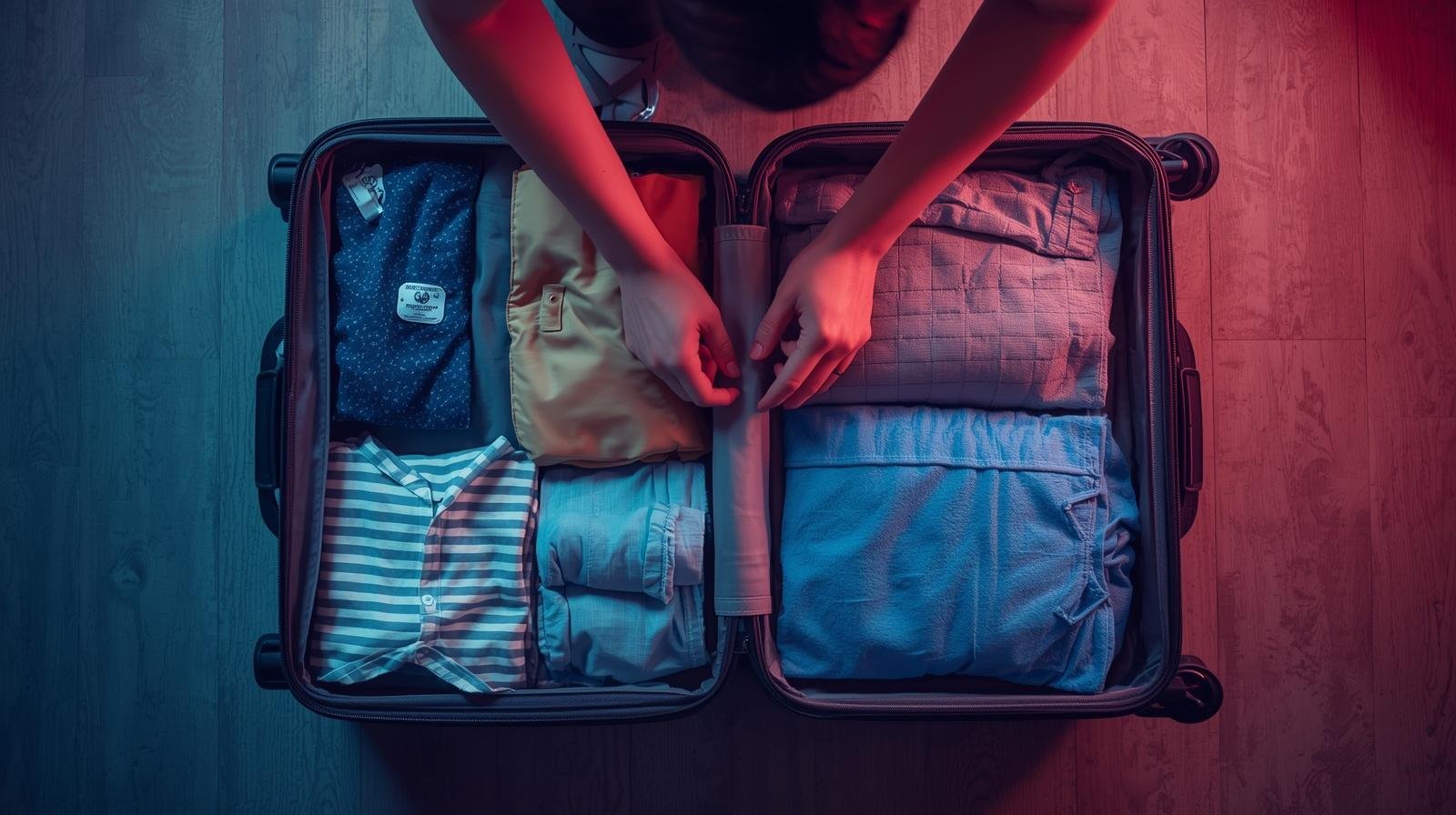
Step 17: Pack Properly to Avoid Extra Fees
Packing affects cost.
To save money:
- Follow baggage rules
- Avoid overweight luggage
- Use carry-on options
This avoids extra charges.
Common Mistakes to Avoid
Travelers often make mistakes such as:
- Booking without comparison
- Ignoring hidden charges
- Overspending on food
- Not tracking expenses
Avoiding these improves savings.
Benefits of Saving Money While Traveling
Money saving provides:
- Longer travel duration
- More trip flexibility
- Better control of expenses
- Reduced financial stress
It improves overall travel experience.
Conclusion
Saving money during travel does not require reducing travel quality. With planning, comparison, and control, travelers can manage expenses effectively. Small decisions in each part of travel help reduce total cost.
By following these methods, travelers can enjoy trips while keeping spending under


Leave a Reply