

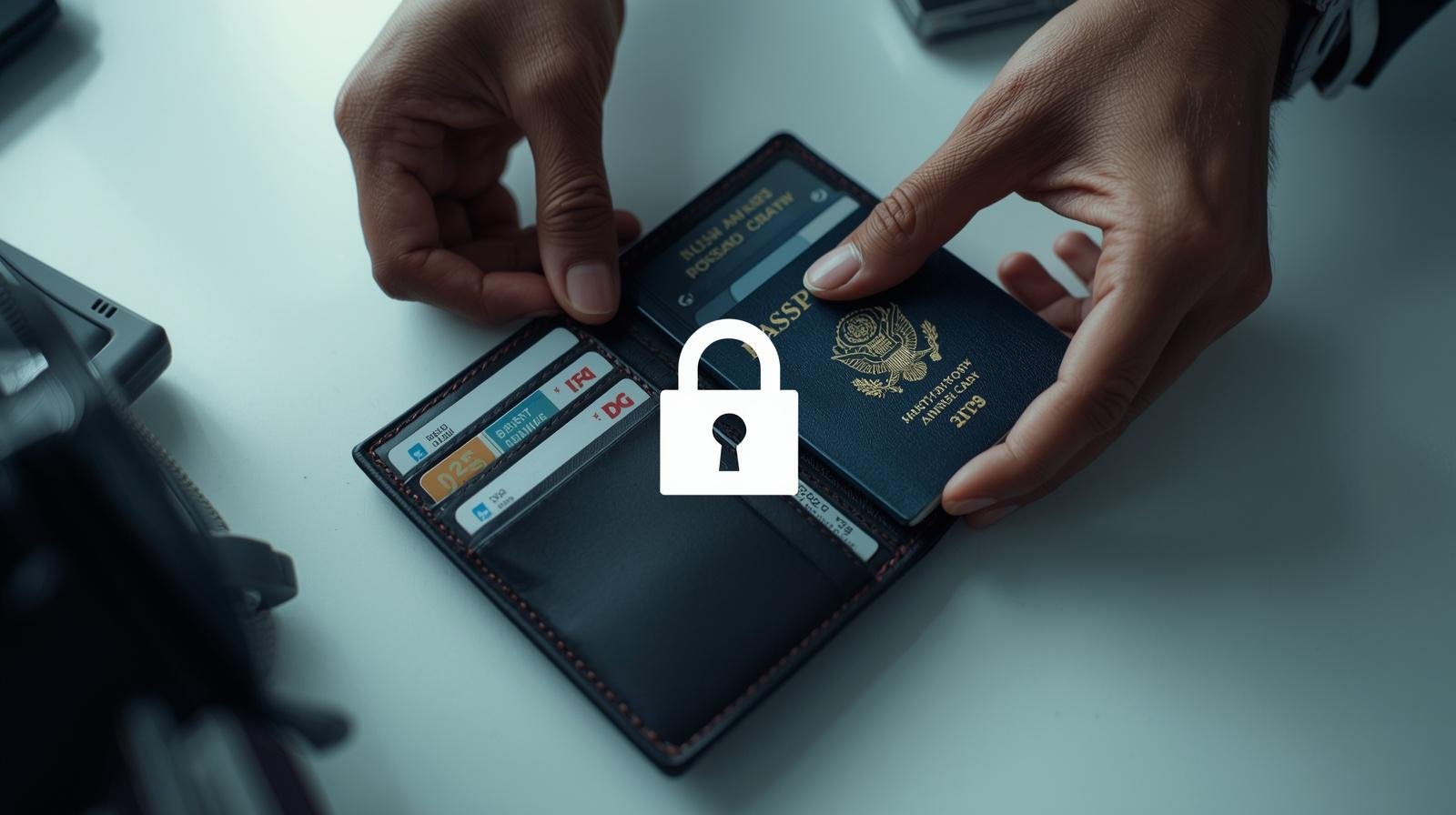
Introduction
Travel documents are required for every international trip. These include passports, visas, tickets, and identification cards. Loss or misuse of these documents can create serious problems during travel.
Managing travel documents properly helps avoid delays, legal issues, and financial loss. This guide explains how to store, organize, and protect travel documents during international trips.
Understanding Travel Document Security
Travel document security means keeping important papers safe from loss, theft, and damage. It also means having access to them when needed.
Important travel documents include:
- Passport
- Visa
- National identity card
- Flight tickets
- Hotel bookings
- Insurance documents
Each document plays a role during travel.
Step 1: Keep Multiple Copies of Documents
Do not rely on a single copy.
Make copies of:
- Passport
- Visa
- ID card
- Tickets
Store copies in:
- Printed form
- Cloud storage
This helps recovery if originals are lost.
Step 2: Store Documents in Secure Folder or Wallet
Organize documents in one place.
Use:
- Travel document folder
- Waterproof pouch
- Secure wallet
This reduces the risk of misplacing items.
Step 3: Carry Documents Only When Needed
Avoid carrying all documents at all times.
Keep:
- Original passport in safe place when not required
- Copies for daily use
This reduces risk of theft.
Step 4: Use Digital Backups
Digital storage helps in emergencies.
Options include:
- Cloud storage services
- Email backups
- Encrypted phone storage
Ensure access from different devices.
Step 5: Protect Passport at All Times
Passport is the most important travel document.
Safety steps:
- Do not leave it unattended
- Use hotel safe if available
- Carry in secure bag during travel
Loss of passport can delay travel plans.
Step 6: Separate Documents from Cash
Do not keep all valuables together.
Keep:
- Documents in one place
- Cash in another place
This reduces total loss in case of theft.
Step 7: Use Anti Theft Travel Accessories
Special items help protect documents.
Examples:
- Hidden money belts
- RFID blocking wallets
- Secure travel pouches
These reduce risk of unauthorized access.
Step 8: Check Document Expiry Dates Before Travel
Expired documents can stop travel.
Check:
- Passport validity
- Visa duration
- Insurance validity
Renew documents before travel if needed.
Step 9: Keep Emergency Copies with Trusted Person
Share copies with someone you trust.
Include:
- Passport copy
- Flight details
- Contact information
This helps in emergency situations.
Step 10: Avoid Sharing Document Photos Publicly
Sharing documents online increases risk.
Avoid:
- Posting passport photos
- Sharing visa details publicly
- Uploading tickets on social media
Protect personal information.
Step 11: Use Hotel Safety Storage
Most hotels provide secure storage.
Use:
- Room safes
- Reception lockers
Store important documents when not needed.
Step 12: Keep Documents Dry and Protected
Water or damage can make documents unusable.
To protect:
- Use waterproof folders
- Avoid exposure to liquids
- Store in dry place
Physical condition of documents matters.
Step 13: Organize Documents Before Departure
Before leaving, check all documents.
Steps:
- Confirm passport availability
- Check visa approval
- Verify ticket details
- Organize in one folder
This avoids last minute problems.
Step 14: Know Embassy Contact Information
Embassy support is important in emergencies.
Keep:
- Embassy phone number
- Address
- Email contact
This helps in case of lost passport or legal issues.
Step 15: Use Copies for Daily Movement
When traveling locally during trip:
- Use copies instead of originals
- Carry only necessary ID
This reduces risk of losing original documents.
Step 16: Keep Travel Insurance Documents Ready
Insurance documents are important for medical or emergency situations.
Store:
- Policy number
- Provider contact
- Coverage details
Keep both digital and printed copies.
Step 17: Stay Alert in Public Places
Documents can be targeted in crowded areas.
Precautions:
- Keep bag closed
- Avoid displaying documents
- Stay aware of surroundings
Awareness reduces theft risk.
Common Mistakes to Avoid
Travelers often make mistakes such as:
- Carrying all documents together
- Not making backups
- Ignoring expiry dates
- Leaving documents unattended
Avoiding these improves safety.
Benefits of Proper Document Management
Good document handling provides:
- Faster travel processing
- Reduced risk of loss
- Easy recovery in emergencies
- Better organization during trip
It ensures smoother travel experience.
Conclusion
Managing travel documents securely is an important part of international travel. Proper storage, backups, and careful handling reduce risk and improve travel safety.
By following these steps, travelers can protect their identity and avoid unnecessary problems during their journey.




Leave a Reply