

Introduction
Travel allows people to explore places, cultures, and ideas. Many travelers move in groups with friends or family. Some travelers choose another path and travel alone. Solo travel means visiting destinations without companions. This type of travel has gained attention in recent years because it gives travelers full control over decisions, schedules, and experiences.
Traveling alone creates opportunities for learning, reflection, and personal growth. A traveler who moves alone must make decisions, manage time, and interact with people in new environments. These experiences develop skills that support independence and awareness.
This guide explains the benefits of traveling alone and how solo travel supports personal development and cultural understanding.
Personal Freedom in Travel Decisions
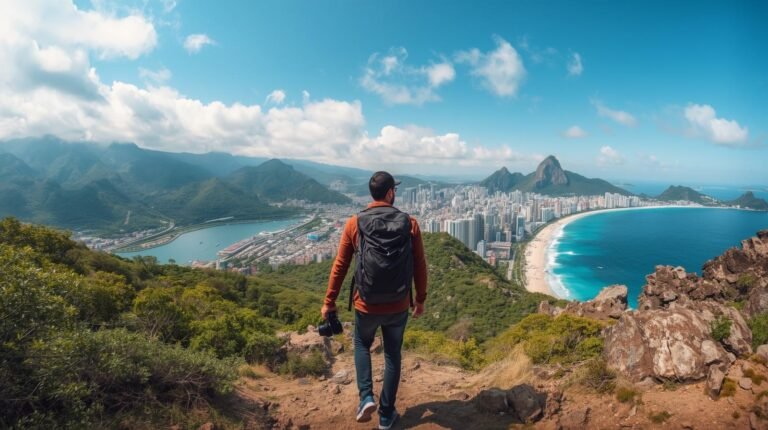
Solo travel provides full control over travel decisions. A traveler does not need approval from companions when selecting destinations, activities, or schedules.
Travelers who move alone can:
- choose destinations based on personal interest
- change plans during the trip
- decide how long to stay at each location
- select activities without negotiation
Freedom in decision making helps travelers focus on personal goals during a journey.
For example, a traveler may spend time exploring museums, historical sites, parks, or cultural areas without adjusting plans for group preferences.
This independence creates a travel experience shaped by personal interest rather than group compromise.
Personal Growth Through Travel Experiences
Solo travel often leads to personal growth. When travelers move without companions, they face situations that require decision making and responsibility.
Examples include:
- navigating transportation systems
- communicating with local residents
- solving travel problems
- managing travel schedules
These experiences strengthen problem solving ability and awareness.
Travelers who manage these tasks alone often gain confidence in their ability to handle unfamiliar situations.
Personal growth becomes one of the most important outcomes of solo travel.
Building Confidence
Confidence develops through experience. Solo travelers face challenges that require independent thinking.
Situations that build confidence include:
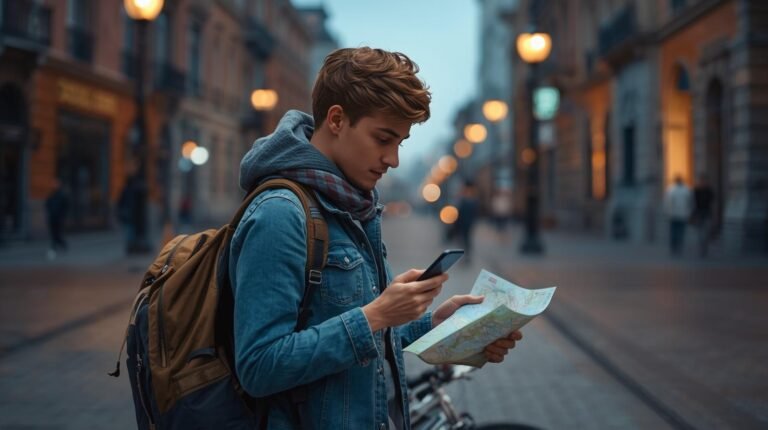
- arriving in a new city
- finding accommodation
- ordering food in local restaurants
- navigating streets and transportation systems
Each completed task reinforces a traveler’s belief in personal capability.
As the journey continues, the traveler becomes more comfortable making decisions without assistance.
This growth in confidence can influence other areas of life such as work, education, and communication.
Opportunity for Self Reflection
Travel alone creates space for reflection. Without group conversation or social activity, travelers have time to think about goals, ideas, and experiences.
Reflection may occur during:
- long train journeys
- walking through cities
- visiting cultural sites
- observing daily life in new environments
These quiet moments allow travelers to evaluate personal direction and priorities.
Self reflection is often limited in daily routines filled with work, communication, and responsibilities.
Solo travel provides time for mental clarity and awareness.
Increased Cultural Interaction
Traveling with groups sometimes limits interaction with local residents. Group members often spend time speaking with each other instead of engaging with people at the destination.
Solo travelers tend to interact more with local communities.
Examples include:
- conversations with shop owners
- discussions with hotel staff
- participation in local tours
- interactions in public transport
These conversations provide insight into culture, customs, and daily life.
Through interaction, travelers gain knowledge that cannot be learned through books or online research.
Flexibility During Travel
Flexibility is one of the most practical benefits of solo travel.
Travelers who move alone can adjust plans quickly. If weather conditions change or an attraction becomes unavailable, the traveler can choose an alternative activity without group discussion.
Flexible travel decisions may include:
- extending a stay in one city
- leaving a destination earlier
- adding a new location to the itinerary
- changing transportation options
This flexibility allows travelers to adapt their journey based on circumstances.
Development of Problem Solving Skills
Travel does not always follow a predictable path. Flights may change schedules, transportation systems may cause delays, and reservations may require adjustment.
Solo travelers must resolve these issues independently.
Problem solving during travel may involve:
- finding alternative transportation
- locating new accommodation
- communicating with service providers
- adjusting travel schedules
Handling these situations strengthens analytical thinking and decision making ability.
These skills continue to benefit travelers long after the journey ends.
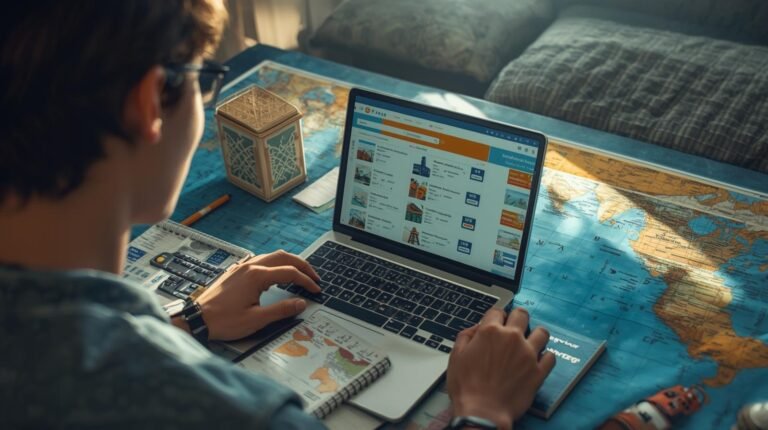
Control Over Travel Budget
Traveling alone allows full control over spending decisions.
In group travel situations, spending patterns may vary among members. One traveler may prefer expensive activities while another may choose low cost options.
Solo travelers control their own travel budget.
They can decide:
- accommodation type
- transportation method
- food choices
- activity spending
Budget control allows travelers to maintain financial planning throughout the trip.
Improved Awareness of Surroundings
Travelers moving alone often develop strong awareness of their environment.
Without companions to rely on, solo travelers pay closer attention to:
- transportation routes
- local customs
- public spaces
- safety conditions
This awareness improves navigation and safety during travel.
Attention to surroundings also increases understanding of how people live in different locations.
Learning Communication Skills
Solo travelers interact with individuals from many backgrounds.
Communication may occur in situations such as:
- ordering meals
- requesting directions
- asking about transportation
- booking accommodation
Even when language differences exist, travelers learn to communicate through gestures, translation tools, and simple conversation.
These experiences strengthen communication ability and cultural understanding.
Freedom to Create Personal Travel Experiences
Solo travel allows travelers to design experiences based on personal goals.
A traveler interested in history may spend time exploring museums and historical landmarks.
Another traveler may focus on nature, hiking trails, or parks.
Without group influence, the traveler shapes the entire journey around individual interests.
This personal approach often leads to deeper engagement with travel destinations.
Opportunity to Meet Other Travelers
Many solo travelers meet people during their journeys.
Common places for interaction include:
- hostels
- guided tours
- public transportation
- cultural events
These interactions create temporary travel communities where travelers exchange experiences and information.
Meeting travelers from other countries expands cultural awareness and global understanding.
Strengthening Independence
Independence is one of the strongest outcomes of solo travel.
Travelers who organize transportation, accommodation, and activities on their own develop self reliance.
Independent travel decisions include:
- planning itineraries
- managing time schedules
- budgeting expenses
- navigating unfamiliar locations
These responsibilities build independence that continues beyond travel.
Emotional Benefits of Solo Travel
Solo travel can also support emotional balance.
Time spent exploring new places, meeting people, and reflecting on experiences helps travelers disconnect from daily stress.
Travel environments often provide:
- time away from work routines
- distance from daily responsibilities
- exposure to new cultures and ideas
These experiences may support emotional renewal and mental clarity.
Solo Travel and Personal Achievement
Completing a solo journey often creates a sense of accomplishment.
Travelers who successfully navigate transportation systems, manage budgets, and explore destinations alone recognize their capability.
This achievement becomes a personal milestone that encourages future exploration.
Many travelers begin with short solo trips and later expand to international journeys.
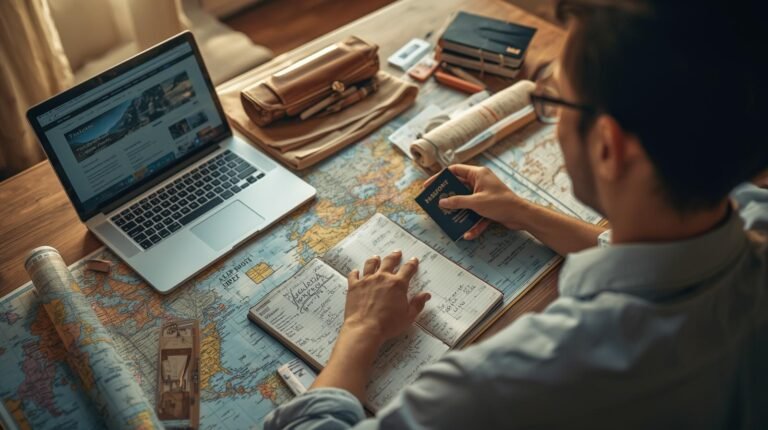
Preparing for Solo Travel
Although solo travel offers many benefits, preparation remains important.
Travelers should plan for:
- transportation arrangements
- accommodation reservations
- travel documents
- emergency contacts
Preparation ensures that independence during travel remains organized and secure.
Conclusion
Traveling alone offers many benefits that support independence, personal growth, and cultural understanding. Solo travelers gain freedom in decision making, develop confidence, and interact more with local communities.
The experience encourages reflection, problem solving, and communication with people from different backgrounds.
When travelers move through the world independently, they build skills that influence both travel experiences and daily life.
Solo travel becomes more than a journey between destinations. It becomes a path toward personal development and global awareness.