
Introduction
Solo travel allows individuals to explore destinations without companions. Many travelers choose this form of travel because it provides freedom in planning, movement, and personal experiences. While solo travel offers many advantages, safety remains an important part of trip preparation.
Travelers who move alone must remain aware of their surroundings, follow travel regulations, and prepare for unexpected situations. Proper planning and responsible decisions help reduce risk during travel.
This guide explains safety tips for solo travelers and outlines steps that help maintain security during a journey.
Research the Destination Before Travel
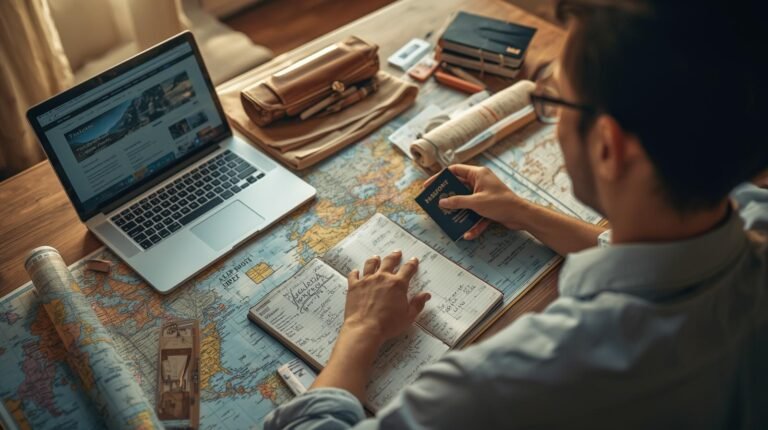
Destination research is one of the most important steps in travel safety.
Travelers should collect information about:
- local laws
- transportation systems
- emergency services
- health facilities
- cultural practices
Government travel advisory websites often publish information about safety conditions in different regions.
Travel blogs, tourism boards, and traveler forums also provide information about experiences at destinations.
Research helps travelers understand potential risks and prepare accordingly.
Share Travel Plans with Family or Friends
Solo travelers should inform trusted contacts about travel plans.
Information shared may include:
- travel dates
- destination locations
- accommodation addresses
- transportation details
Family members or friends can track travel progress through this information.
Sharing travel plans ensures that someone knows the traveler’s location in case communication becomes difficult.
Travelers may also share digital copies of travel documents with trusted contacts.
Keep Travel Documents Secure
Travel documents such as passports, visas, and identification records are essential during international travel.
Solo travelers should protect these documents at all times.
Recommended practices include:
- storing documents in secure travel pouches
- keeping digital copies on mobile devices
- placing documents in hotel storage when not required
Losing travel documents may create delays during border control or return travel.
Having copies of documents can support replacement procedures if loss occurs.
Choose Accommodation with Security Measures
Accommodation plays an important role in travel safety.
Solo travelers should review security features before booking.
Considerations include:
- reception services
- secure room access systems
- surveillance systems
- location within populated areas
Traveler reviews on booking platforms often provide insight about safety conditions at hotels or hostels.
Accommodation located near transportation systems and public services can also provide easier access to assistance if required.
Stay Aware of Surroundings
Awareness of surroundings is a key element of travel safety.
Solo travelers should pay attention to:
- street conditions
- public transportation areas
- crowd behavior
- traffic patterns
Avoiding distraction helps travelers recognize potential risks.
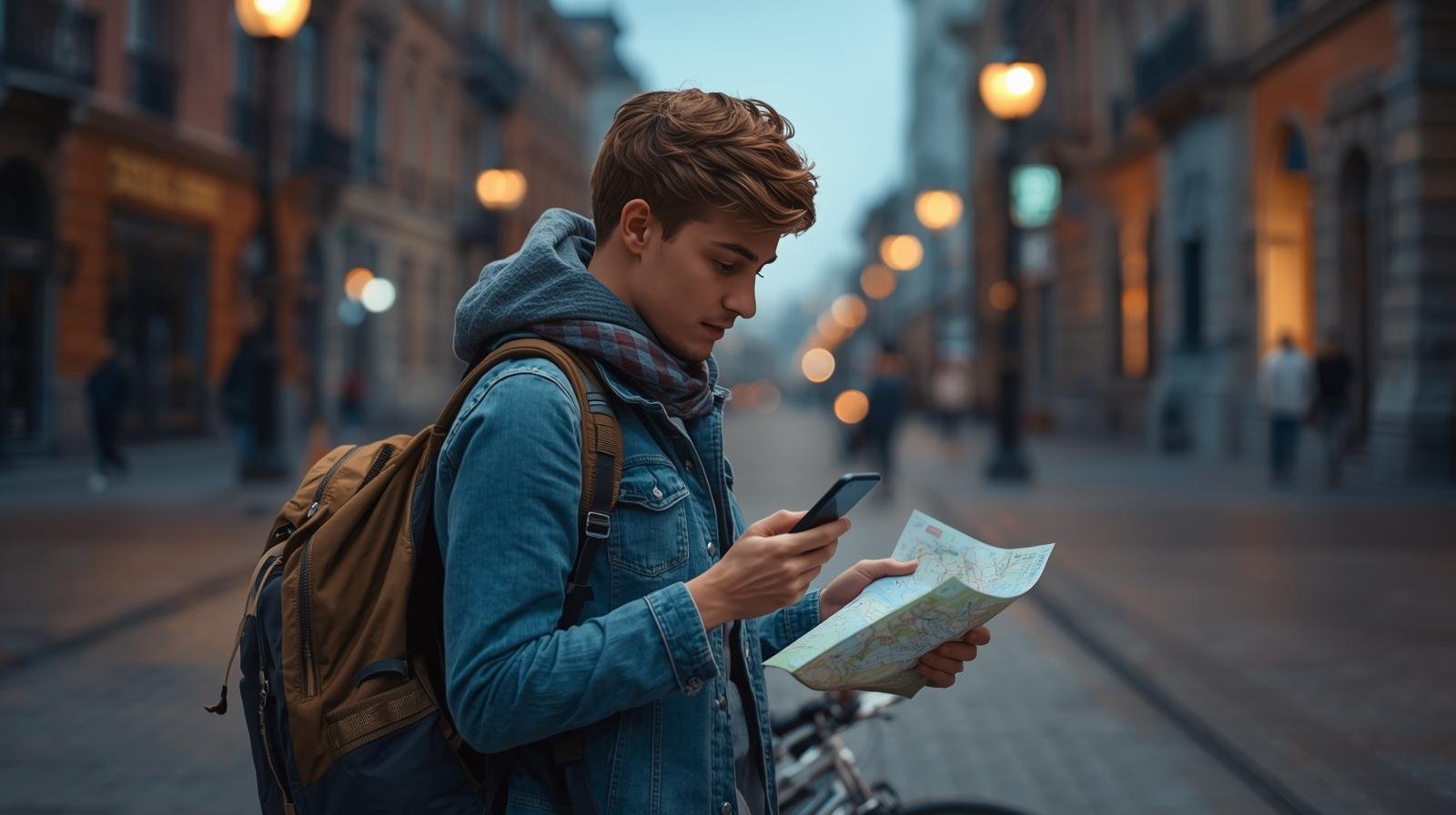
Travelers using mobile phones for navigation should remain aware of people and vehicles around them.
Observation and awareness reduce the possibility of theft or confusion in unfamiliar locations.
Use Reliable Transportation Options
Transportation safety affects overall travel security.
Solo travelers should choose transportation services with established records.
Examples include:
- licensed taxi services
- official ride sharing platforms
- public transportation networks
Before entering transportation services, travelers should confirm driver identity and vehicle details when applicable.
Using transportation arranged through accommodation providers or official stations may also increase safety.
Avoid Displaying Valuables
Displaying valuables in public spaces may attract unwanted attention.
Solo travelers should limit visible items such as:
- expensive jewelry
- large amounts of cash
- electronic devices
Carrying only necessary items during daily activities reduces risk.
Travelers may store extra funds and documents in accommodation storage areas.
Reducing visible valuables helps prevent theft in crowded areas.
Keep Emergency Contacts Available
Emergency contact information should remain accessible during travel.
Travelers should keep records of:
- local emergency numbers
- embassy contact details
- accommodation contact numbers
Mobile phones provide convenient storage for emergency information.
Having contact numbers available ensures that travelers can request assistance if needed.
Embassies provide support for travelers facing legal or documentation problems abroad.
Use Secure Internet Connections
Internet access is often required for navigation, communication, and travel services.
Solo travelers should avoid entering personal information on unknown public networks.
Security practices include:
- using secure connections
- avoiding financial transactions on public networks
- logging out of accounts after use
Travelers may also use mobile data networks when handling sensitive information.
Protecting online activity helps prevent unauthorized access to personal accounts.
Carry Limited Cash
Cash management supports travel safety.
Carrying large amounts of currency may increase risk.
Solo travelers should divide funds across different storage locations.
Payment methods may include:
- debit cards
- credit cards
- local currency
Keeping funds in separate locations provides backup if one source becomes unavailable.
This method ensures access to money during unexpected situations.
Trust Personal Judgment
Solo travelers should trust personal judgment when making decisions.
If a location or situation feels unsafe, leaving the area may be the safest option.
Travelers should avoid environments that involve:
- suspicious activity
- aggressive behavior
- unfamiliar individuals requesting personal information
Following personal instincts helps travelers avoid potential problems.
Awareness and decision making play a major role in travel safety.
Limit Night Travel in Unfamiliar Areas
Traveling at night in unfamiliar environments may increase risk.
Solo travelers should plan transportation routes in advance if evening travel is required.
Possible safety measures include:
- using transportation services arranged by accommodation providers
- traveling through populated streets
- avoiding isolated locations
Planning routes before leaving accommodation helps travelers move with confidence.
Limiting unnecessary night travel may reduce exposure to unsafe situations.
Maintain Communication with Contacts
Communication with family or friends supports travel safety.
Solo travelers should send updates about:
- arrival at destinations
- changes in travel plans
- accommodation check ins
Regular communication reassures contacts that travel continues safely.
Messaging applications and mobile networks make communication easier during travel.
Maintaining contact provides additional support in case of emergencies.
Learn Basic Local Language Phrases
Communication can support safety during travel.
Learning simple phrases in the local language may help travelers ask for assistance.
Useful phrases may include:
- asking for directions
- requesting help
- locating transportation services
Understanding local communication also reduces confusion during interactions.
Translation applications may assist travelers when language differences exist.
Monitor Personal Health
Health preparation contributes to travel safety.
Solo travelers should monitor:
- hydration
- food choices
- rest periods
Travel fatigue can affect awareness and decision making.
Carrying personal medication and maintaining health routines supports well being during travel.
If illness occurs, travelers should locate nearby medical facilities or contact accommodation staff for assistance.
Register with Embassy Services
Some countries provide traveler registration services through embassies.
These services allow travelers to report travel plans and contact details.
Embassies may provide updates related to:
- security conditions
- travel regulations
- emergency assistance
Registering with embassy systems may help authorities assist travelers during emergencies.
Travelers should review embassy services before international travel.
Prepare for Unexpected Situations
Travel may involve unexpected events such as transportation delays or lost belongings.
Preparation can reduce the impact of these events.
Solo travelers should plan for:
- backup accommodation options
- alternative transportation routes
- emergency financial resources
Preparation ensures that travelers can respond quickly to unexpected situations.
Flexibility and organization support safe travel experiences.
Conclusion
Solo travel offers independence and personal exploration, but safety preparation remains essential.
Travelers who research destinations, protect documents, choose reliable transportation, and maintain communication with trusted contacts reduce risk during travel.
Awareness of surroundings, financial management, and responsible decision making also contribute to safe travel experiences.
When solo travelers combine preparation with awareness, they create a travel environment that supports exploration while maintaining security throughout the journey.