


Introduction
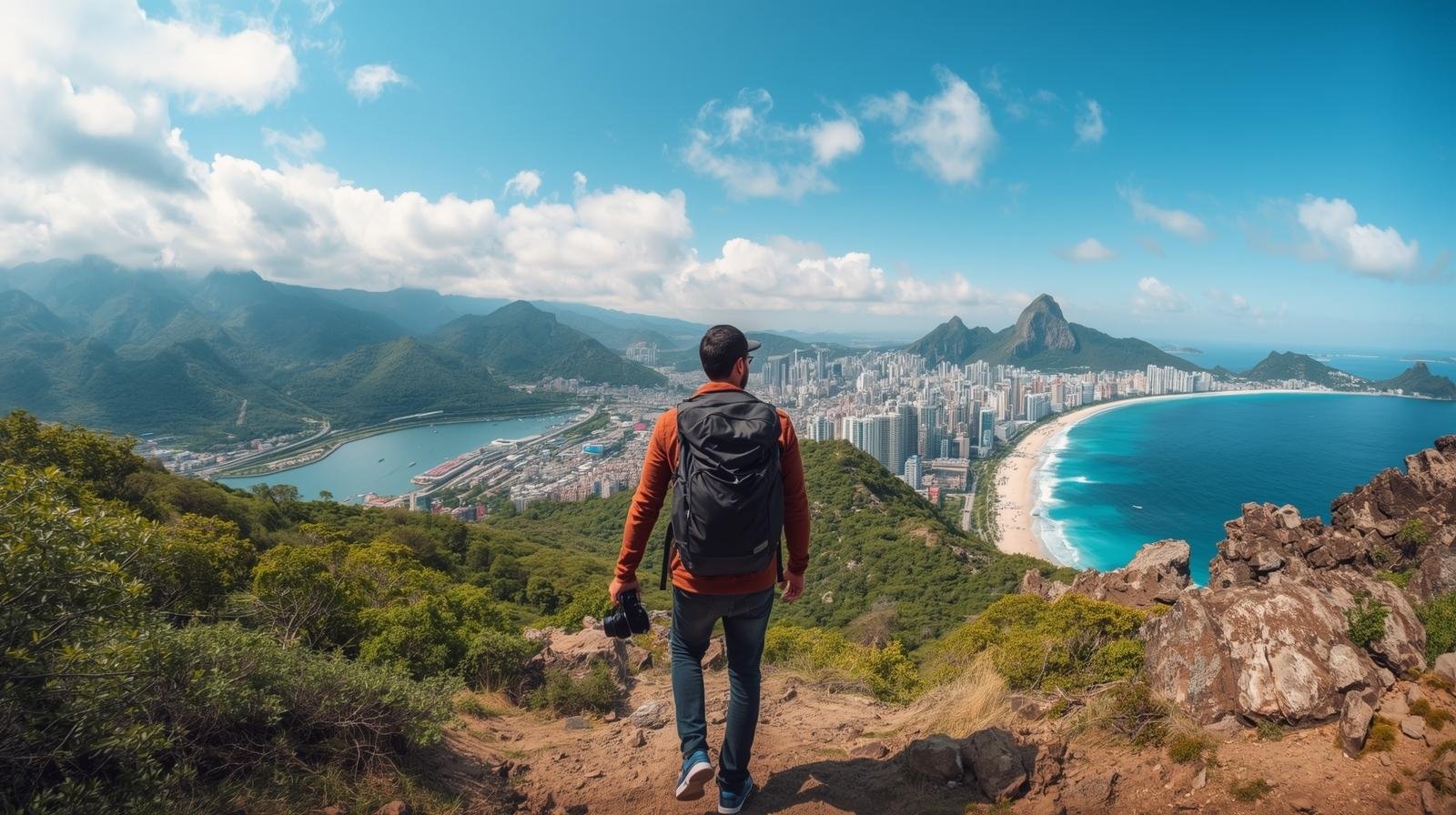
Solo travel continues to grow as more people explore the world without companions. Travelers choose this style of travel because it allows freedom in planning, movement, and personal experiences. A solo traveler controls the schedule, selects destinations based on interest, and decides how to spend time during the journey.
Choosing the right destination is an important step in solo travel planning. Some locations offer transportation systems, travel services, and cultural environments that support independent travelers.
This guide explains destinations around the world that are often chosen by solo travelers. These places offer access to transportation, cultural sites, accommodation options, and opportunities to meet other travelers.
Solo Travel in Europe
Europe contains many destinations that attract solo travelers. The region provides transportation networks, tourism services, and historical sites.
Amsterdam
Amsterdam receives visitors who travel alone because the city offers transportation systems and cultural institutions.
Travelers visit locations such as:
- Anne Frank House
- Rijksmuseum
- Van Gogh Museum
Public transportation and bicycle routes allow solo travelers to move across the city without difficulty.
Barcelona
Barcelona attracts travelers interested in architecture, museums, and coastal locations.
Important sites include:
- Sagrada Familia
- Park Güell
- La Rambla
Visitors explore cultural locations, markets, and city spaces during travel.
Solo Travel in Asia
Asia provides destinations known for culture, religion, and city life. Many travelers explore these locations alone.
Bangkok
Bangkok receives solo travelers who want to explore temples, markets, and food culture.
Popular places include:
- Grand Palace
- Wat Pho
- Wat Arun
Transportation networks such as metro systems and river transport help travelers move through the city.
Tokyo
Tokyo is often selected by solo travelers because of transportation networks and cultural attractions.
Visitors explore locations such as:
- Meiji Shrine
- Tokyo Tower
- Shibuya Crossing
The city provides access to museums, markets, and urban districts.
Solo Travel in North America
North America also offers destinations visited by independent travelers.
New York City
New York City receives visitors who travel alone to explore culture, museums, and entertainment.
Important places include:
- Statue of Liberty
- Central Park
- Times Square
Subway systems and buses allow travelers to explore the city.
Vancouver
Vancouver attracts travelers interested in coastal landscapes and parks.
Visitors explore locations such as:
- Stanley Park
- Granville Island
The city offers cultural institutions and transportation systems that support solo travel.
Solo Travel in South America
South America offers destinations connected with culture and landscapes.
Lima
Lima receives travelers interested in history and cultural heritage.
Travelers visit locations such as:
- Plaza Mayor
- Larco Museum
The city connects travelers with historical sites and cultural institutions.
Buenos Aires
Buenos Aires attracts travelers who explore culture, music, and city life.
Important places include:
- Plaza de Mayo
- Teatro Colón
Visitors explore cultural districts, museums, and parks.
Solo Travel in Oceania
Oceania offers destinations connected with coastal landscapes and city life.
Sydney
Sydney attracts travelers interested in coastal tourism and cultural events.
Major travel sites include:
- Sydney Opera House
- Sydney Harbour Bridge
Transportation networks allow visitors to move across the city and surrounding areas.
Factors That Make Destinations Suitable for Solo Travel
Some destinations are frequently chosen by solo travelers because they offer services that support independent travel.
Important factors include:
- transportation systems
- accommodation availability
- tourism information centers
- communication infrastructure
- cultural accessibility
Destinations with these services help travelers move, explore, and communicate during travel.
Meeting Other Travelers
Solo travel does not mean isolation. Many travelers meet others during trips.
Common places for interaction include:
- hostels
- guided tours
- cultural events
- transportation hubs
These environments allow travelers to share experiences and information about destinations.
Meeting other travelers may also lead to temporary travel partnerships during certain activities.
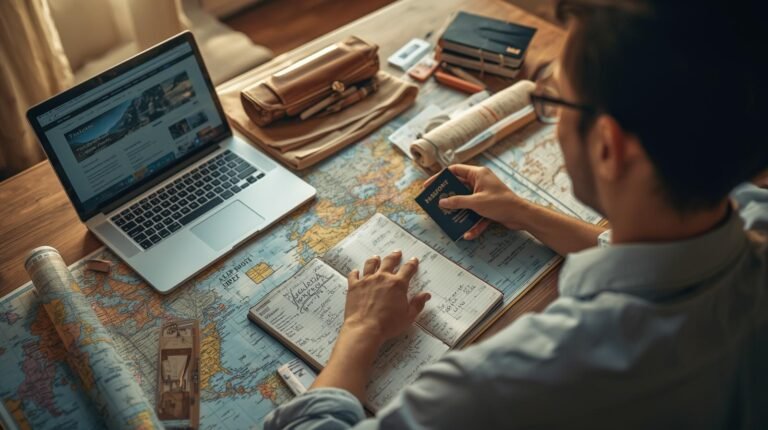
Planning Solo Travel Destinations
Travelers should prepare before choosing destinations.
Important planning steps include:
- researching transportation systems
- reviewing accommodation options
- checking visa requirements
- studying cultural practices
Preparation allows travelers to navigate destinations with confidence.
Planning also helps travelers avoid unexpected travel issues.
Benefits of Exploring Destinations Alone
Exploring destinations alone provides opportunities for personal discovery.
Solo travelers can:
- choose activities based on interest
- spend time observing local culture
- interact with residents
- adjust travel schedules freely
These experiences create deeper engagement with travel environments.
Travel becomes more personal when the traveler controls every aspect of the journey.
Conclusion
Solo travel continues to grow because it offers independence and personal exploration. Many destinations around the world support solo travelers through transportation systems, cultural institutions, and tourism services.
Cities such as Amsterdam, Tokyo, New York City, and Sydney provide access to landmarks, museums, and cultural spaces that travelers can explore independently.
When travelers choose destinations that support independent movement and cultural engagement, solo travel becomes an experience that combines exploration, learning, and personal growth.