7 Powerful Solar Savings: How Solar Energy Can Help Reduce Your Electricity Costs
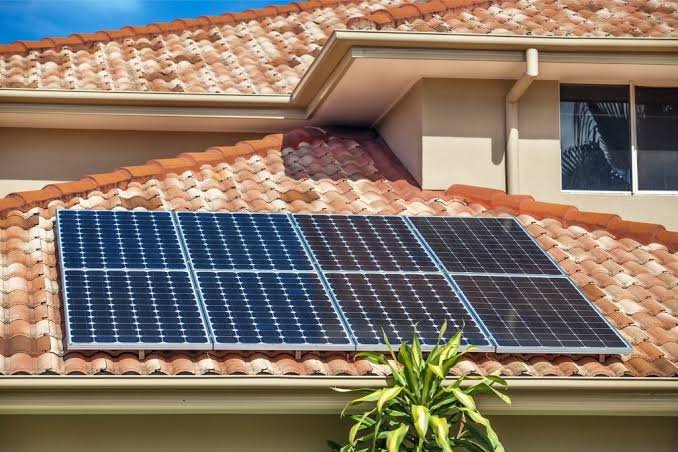
As electricity prices continue to change, many homeowners and businesses are looking for practical ways to manage their energy expenses. One solution that has gained significant attention is solar energy. By using sunlight to generate electricity, a solar power system can help reduce dependence on the traditional power grid and may lower electricity costs over time.
The concept of solar savings is simple, but the actual amount a person can save depends on many factors. These include electricity usage, local utility rates, sunlight availability, solar system size, installation costs, financing, and available incentives.
Understanding these factors can help homeowners make a more informed decision about whether solar energy is suitable for their property.
What Are Solar Savings?
Solar savings are the potential financial savings that come from generating your own electricity with solar panels instead of purchasing all of your electricity from a utility company.
A traditional home receives electricity from the local power grid. The homeowner pays the utility based on electricity consumption and the applicable rates. With solar panels installed on the property, some of that electricity can be generated directly from sunlight.
During daylight hours, solar panels can produce electricity for household appliances, lighting, heating and cooling equipment, electronics, and other electrical devices. When solar production is greater than the property’s immediate electricity demand, the extra energy may be stored in a battery or sent to the utility grid, depending on the system and local regulations.
This can reduce the amount of electricity purchased from the grid.
How Solar Panels Reduce Electricity Costs
Solar panels contain photovoltaic cells that convert sunlight into electricity. The electricity generated by the panels passes through an inverter, which converts it into a form that can be used by most household electrical equipment.
The more electricity your solar system produces and the more of that electricity your property uses, the less electricity you may need to purchase from the utility.
For example, imagine a household normally spends $200 per month on electricity. If a solar system reduces the amount of electricity purchased from the grid by an average of $100 per month, the household could potentially reduce its annual utility purchases by about $1,200.
This is only a simplified example. Actual savings can be higher or lower depending on the property’s energy consumption, solar production, electricity rates, and other costs.
Electricity Rates and Solar Savings
Local electricity rates play an important role in determining the potential value of solar energy.
When electricity prices are high, generating your own electricity can provide greater potential savings. When utility electricity is inexpensive, the financial benefit may be smaller.
Electricity rates can also change over time. Some utilities have increased rates periodically, while others use different pricing structures based on the time of day.
For this reason, homeowners should consider both current electricity prices and possible future rate changes when evaluating a solar investment.
Your Energy Usage Matters
Solar savings are closely connected to how much electricity a property uses.
A household with low electricity consumption may require a smaller solar system, while a large home with high electricity usage may need more panels to offset a significant portion of its energy demand.
Common household electricity users include:
- Air conditioners
- Electric heaters
- Water heaters
- Refrigerators
- Washing machines
- Clothes dryers
- Ovens
- Pool equipment
- Computers and electronics
- Electric vehicle chargers
Understanding your annual electricity consumption is one of the first steps in estimating potential solar savings.
Reviewing approximately 12 months of electricity bills can provide a useful picture of how much energy your household uses throughout the year.
Solar Savings Through Self-Consumption
One of the most important concepts in solar energy is self-consumption.
Self-consumption means using the electricity generated by your solar panels directly in your home instead of sending it to the grid.
For example, if your solar panels are producing electricity at midday while your air conditioner and other appliances are operating, that solar electricity can be used immediately.
Using solar electricity directly can be particularly valuable when your utility pays less for exported electricity than it charges when you purchase electricity from the grid.
For this reason, changing certain energy habits may help improve the financial value of a solar system.
Running some appliances during sunny hours, when practical, can increase the amount of solar electricity used directly by the property.
Solar Batteries and Additional Savings
Solar batteries provide another way to manage energy.
Solar panels usually produce the most electricity during daylight hours. However, many households use a significant amount of electricity in the evening when solar production has declined.
A battery can store some excess solar electricity during the day and make that energy available later.
Battery storage may help homeowners:
- Increase solar self-consumption
- Reduce grid electricity use at certain times
- Manage time-based electricity rates
- Provide backup electricity during some outages
However, batteries also add to the cost of a solar installation. Therefore, adding a battery does not automatically guarantee greater financial savings.
The value of battery storage depends on local electricity rates, utility policies, battery costs, household energy habits, and the homeowner’s need for backup power.
Solar Savings and Government Incentives
Government and utility incentives can influence the overall cost of a solar installation.
Depending on where you live, there may be federal, state, local, or utility programs designed to encourage renewable energy adoption.
Some programs may reduce the effective cost of installing solar, while others may provide credits or other financial benefits.
Because incentive programs and eligibility requirements can change, homeowners should verify current information through official government or utility sources before including an incentive in their financial calculations.
It is also important to understand whether an incentive is a tax credit, rebate, performance-based benefit, or another type of program.
Understanding the Solar Payback Period
The solar payback period is an estimate of how long it may take for energy savings to equal the amount invested in a solar system.
For example, suppose the total net cost of a solar installation is $18,000 and the system produces an estimated $1,800 in annual electricity savings. A simple payback calculation would be approximately ten years.
Real-world calculations are more complicated.
They may need to account for financing costs, maintenance, equipment replacement, electricity-rate changes, incentives, solar production changes, and other expenses.
Therefore, the payback period should be viewed as an estimate rather than a guaranteed result.
Buying Solar With Cash or Financing
Homeowners may have several ways to pay for a solar system.
Buying a system with cash can reduce or eliminate loan interest, but it requires a larger upfront investment.
Solar financing can spread payments over several years and may make installation easier to afford initially. However, financing can increase the total amount paid because of interest and fees.
Some companies may also offer leases or power purchase agreements. These arrangements can have different ownership structures and contract terms.
When comparing options, homeowners should look beyond the monthly payment. The total cost, contract length, interest rate, fees, ownership structure, maintenance responsibilities, and terms for selling the property should all be reviewed carefully.
Improving Solar Savings With Energy Efficiency
Installing solar panels is only one part of an effective energy strategy.
Improving the energy efficiency of your home can reduce electricity consumption and potentially increase the percentage of electricity that your solar system can cover.
Useful energy-efficiency improvements may include:
- Installing LED lighting
- Improving home insulation
- Sealing doors and windows
- Using efficient appliances
- Installing a smart thermostat
- Improving heating and cooling efficiency
- Reducing unnecessary standby electricity use
For example, if a home becomes more energy efficient and uses less electricity, the existing solar system may cover a larger percentage of total energy consumption.
Solar Savings for Businesses
Solar energy can also provide potential savings for businesses.
Commercial buildings often consume significant amounts of electricity during the daytime, which can align well with solar production.
Businesses such as offices, warehouses, retail stores, manufacturing facilities, and other commercial properties may have large roofs or parking areas suitable for solar installations.
However, commercial solar projects can involve additional considerations, including demand charges, financing, tax treatment, electrical infrastructure, and business operating schedules.
A professional energy assessment can help determine whether a commercial solar project makes financial sense.
Common Mistakes That Can Reduce Solar Savings
Choosing solar requires careful planning. Several common mistakes can reduce the expected financial benefits.
One mistake is selecting an installer based only on the lowest price. A low-cost system may not always provide the best long-term value.
Another mistake is relying on unrealistic savings estimates.
Homeowners should ask installers how production estimates were calculated and what assumptions were used.
Other issues to consider include:
- Roof shading
- Roof condition
- Equipment warranties
- Financing costs
- Utility compensation rules
- Maintenance responsibilities
- Battery replacement costs
- Contract terms
- Property-sale requirements
Comparing multiple proposals can make it easier to identify differences between installers and financing options.
How to Calculate Your Potential Solar Savings
A basic solar savings evaluation can begin with your current electricity bills.
First, determine how much electricity your household uses each year. Then review your average electricity rate and identify how much energy a proposed solar system could generate.
Next, consider the total cost of installation and any incentives for which you may qualify.
You should also consider financing costs, maintenance, equipment replacement, and utility rules regarding excess electricity.
A professional solar installer can provide a production estimate based on your roof, location, shading, system size, and equipment.
It is useful to compare several estimates rather than relying on a single proposal.
Is Solar Energy Worth It?
Whether solar energy is worth the investment depends on the individual situation.
Solar may be attractive for properties with good sunlight exposure, relatively high electricity costs, suitable roof space, and owners who plan to remain in the property for many years.
However, solar may not be equally beneficial for every property. Heavy shading, limited roof space, high installation costs, low electricity rates, or plans to move soon can affect the financial calculation.
There is no universal solar savings figure that applies to everyone.
The best approach is to evaluate your own electricity consumption, local rates, property conditions, solar costs, and available incentives.
Frequently Asked Questions About Solar Savings
1. What are solar savings?
Solar savings are the potential reductions in electricity costs that come from generating your own power with solar panels instead of purchasing all of your electricity from the utility grid.
2. How much can solar panels save on electricity bills?
The amount you can save depends on your electricity usage, local utility rates, solar system size, sunlight availability, installation cost, and utility policies. Every property has different solar savings potential.
3. Can solar panels eliminate my electricity bill?
Solar panels can significantly reduce electricity purchases, but they may not completely eliminate your bill. Fixed utility charges, energy consumption, weather, system production, and local utility rules can affect the final amount.
4. Do solar panels save money in the long term?
Solar panels can potentially provide long-term savings by reducing the amount of electricity purchased from the grid. The overall financial benefit depends on the system’s cost, energy production, electricity rates, financing, and maintenance expenses.
5. Are solar batteries necessary for solar savings?
No, a battery is not required for every solar system. Batteries can store excess solar electricity for later use, but they also increase the initial cost. Whether a battery improves your savings depends on local electricity rates and your energy usage.
6. Does home energy efficiency improve solar savings?
Yes. Energy-efficient appliances, LED lighting, insulation, and efficient heating and cooling can reduce electricity consumption. Lower energy use may allow a solar system to cover a larger percentage of the property’s electricity needs.
7. What factors affect solar savings?
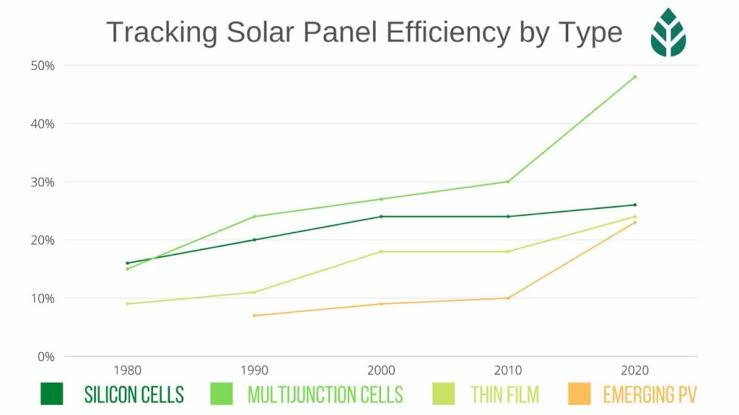
Important factors include electricity rates, annual energy consumption, solar panel efficiency, system size, roof orientation, shading, installation costs, financing, incentives, battery storage, and local utility policies.
8. How long does it take for solar panels to pay for themselves?
The payback period varies by property. It depends on the total system cost and the amount of electricity costs avoided each year. A professional solar estimate can provide a more specific payback calculation.
9. Can businesses benefit from solar savings?
Yes. Businesses with significant electricity consumption and suitable roofs or other installation areas may be able to reduce their energy expenses with solar. Commercial projects should also consider demand charges, financing, taxes, and utility rules.
10. Is solar energy worth the investment?
Solar energy may be worth considering when a property has good sunlight exposure, suitable installation space, reasonable system costs, and relatively high electricity expenses. The best decision depends on the property’s individual financial and energy situation.
Final Thoughts
Solar energy can provide an opportunity to reduce electricity purchases while producing power from a renewable source. For many homeowners and businesses, the potential for long-term solar savings is one of the main reasons to consider installing solar panels.
However, solar should be treated as a financial and energy decision rather than a guaranteed way to eliminate electricity bills.
Before investing, review your electricity usage, compare solar installation quotes, understand utility policies, examine financing terms, and research current incentives. Consider both the upfront cost and the potential long-term benefits.
With realistic expectations and careful planning, solar energy can become an important part of a household or business energy strategy. The goal is not simply to install solar panels, but to create an energy system that makes financial sense for your specific needs and circumstances.