Solar Solutions: A Complete Guide for Solar Installers to Build Better Renewable Energy Systems
Introduction: The Growing Importance of Solar Solutions
The demand for clean and reliable energy has increased rapidly over the past decade. Businesses, homeowners, and organizations around the world are looking for alternatives to traditional power sources, and solar energy has become one of the most effective solutions available today. For solar installers, this growing demand creates a major opportunity to provide advanced solar solutions that help customers reduce energy costs, improve efficiency, and move toward a more sustainable future.
Solar solutions are no longer limited to basic rooftop solar panels. Modern solar technology includes complete energy systems designed to generate, store, monitor, and manage electricity efficiently. From residential solar installations to large commercial projects, installers play a critical role in designing systems that meet different energy needs.
A professional solar installer must understand more than just panel installation. Today’s market requires knowledge of system design, energy consumption analysis, battery storage, smart monitoring technology, safety standards, and customer expectations. By offering complete solar solutions, installers can provide greater value and build long-term relationships with their clients.
This guide explores everything solar installers need to know about solar solutions, including system components, installation strategies, customer benefits, industry trends, and ways to improve business growth in the renewable energy sector.
What Are Solar Solutions?
Solar solutions refer to complete energy systems that use sunlight to generate electricity and provide reliable power for homes, businesses, and industrial facilities. These solutions combine different technologies and services to create an efficient renewable energy setup.
A complete solar solution may include:
- Solar panels for capturing sunlight
- Inverters for converting solar energy into usable electricity
- Battery storage systems for backup power
- Energy monitoring tools for tracking performance
- Mounting structures for secure installation
- Electrical equipment and safety components
- Professional design, installation, and maintenance services
The goal of solar solutions is not only to produce electricity but also to create an energy system that is cost-effective, dependable, and environmentally friendly.
For solar installers, understanding these complete systems allows them to move beyond selling individual components. Instead, they can offer customized energy solutions based on each customer’s unique requirements.
Why Solar Solutions Are Becoming More Popular
The global shift toward renewable energy has increased the demand for solar technology. Rising electricity prices, environmental concerns, and improvements in solar equipment have encouraged more people to invest in solar power.
Lower Energy Costs
One of the biggest reasons customers choose solar solutions is the ability to reduce electricity expenses. Once a solar system is installed, it can generate power for many years with relatively low maintenance requirements.
Solar installers can help customers understand their potential savings by analyzing current energy usage and designing systems that match their consumption patterns.
Energy Independence
Many homeowners and businesses want greater control over their energy supply. Solar solutions with battery storage allow users to store excess electricity and use it when sunlight is unavailable.
This is especially valuable in areas where power outages are common or electricity prices change throughout the day.
Environmental Benefits
Solar energy reduces dependence on fossil fuels and helps lower greenhouse gas emissions. Customers who choose solar solutions contribute to a cleaner environment while improving their own energy efficiency.
For installers, explaining these environmental advantages can help customers understand the long-term value of investing in solar technology.
The Role of Solar Installers in Delivering Quality Solar Solutions
Solar installers are the professionals responsible for turning solar energy plans into working systems. Their expertise directly affects system performance, safety, and customer satisfaction.
A successful solar installer should focus on:
Proper Site Assessment
Before installation begins, installers must evaluate the location carefully. Factors such as roof condition, sunlight availability, shading, orientation, and electrical requirements all influence the final system design.
A detailed site assessment helps prevent installation problems and ensures the solar solution performs efficiently.
Customized System Design
Every customer has different energy requirements. A small home may need a simple solar setup, while a commercial building may require a large-scale energy system.
Professional installers create customized solar solutions by considering:
- Current electricity consumption
- Future energy needs
- Available installation space
- Budget limitations
- Local regulations
A customized approach improves customer satisfaction and increases the overall effectiveness of the solar system.
Quality Installation Practices
Even the best solar equipment can perform poorly if it is installed incorrectly. Professional installation ensures that panels, wiring, inverters, and other components work together properly.
Solar installers should follow industry standards and prioritize safety during every project.
Understanding Different Types of Solar Solutions
Solar technology has developed significantly, offering different solutions for various applications.
Residential Solar Solutions
Residential solar solutions are designed for homeowners who want to generate their own electricity. These systems are usually installed on rooftops and can significantly reduce monthly energy bills.
Many residential customers also choose battery storage to increase energy independence.
Commercial Solar Solutions
Businesses often require larger solar systems because of higher energy consumption. Commercial solar solutions can help companies reduce operating costs and demonstrate their commitment to sustainability.
Solar installers working with commercial clients must understand larger system designs, project management, and long-term energy planning.
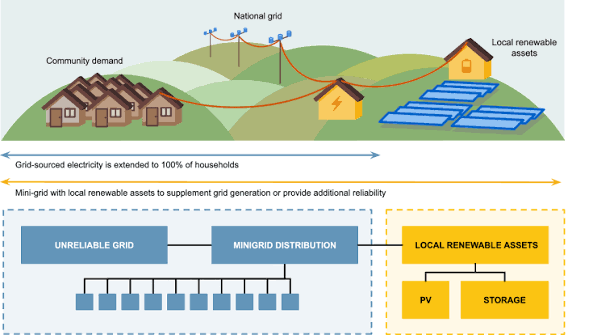
Off-Grid Solar Solutions
Off-grid solar solutions provide electricity in locations where traditional power connections are unavailable or unreliable.
These systems usually include solar panels, batteries, and advanced energy management equipment to provide continuous power.
Solar Battery Storage Solutions
Energy storage has become an important part of modern solar solutions. Batteries allow customers to store extra solar energy and use it during nighttime or power interruptions.
For installers, offering battery storage options can increase project value and provide customers with more complete energy solutions.
Solar Solutions: A Complete Guide for Solar Installers to Build Better Renewable Energy Systems
Solar System Components Explained for Professional Installers
A successful solar solution depends on multiple components working together efficiently. Solar installers must understand each part of the system to design, install, and maintain reliable energy solutions.
Solar Panels: The Foundation of Solar Solutions
Solar panels are the primary component responsible for converting sunlight into electricity. They contain photovoltaic cells that capture solar energy and transform it into direct current (DC) electricity.
Modern solar panels are available in different technologies, including:
Monocrystalline Solar Panels
Monocrystalline panels are known for high efficiency and strong performance. They are commonly used in residential and commercial solar solutions where installation space may be limited.
Advantages include:
- Higher energy production
- Better performance in limited spaces
- Longer lifespan
- Modern appearance
Polycrystalline Solar Panels
Polycrystalline panels are an affordable option that provides reliable performance. They are suitable for customers looking for budget-friendly solar solutions.
Thin-Film Solar Panels
Thin-film technology offers flexibility and lightweight designs. These panels can be useful for specific applications where traditional panels are not suitable.
Solar installers should select panel types based on customer requirements, available space, climate conditions, and budget.
Solar Inverters: Converting Solar Energy into Usable Power
The inverter is one of the most important parts of any solar solution. Solar panels generate DC electricity, but most homes and businesses use alternating current (AC) electricity. The inverter converts DC power into usable AC power.
Common inverter types include:
String Inverters
String inverters connect multiple solar panels together into groups. They are widely used because they are cost-effective and simple to maintain.
Microinverters
Microinverters are installed on individual solar panels. They allow each panel to operate independently, improving performance when shading affects part of the system.
Hybrid Inverters
Hybrid inverters combine solar power generation with battery storage. They are becoming increasingly popular as more customers choose energy storage solutions.
Solar installers should carefully select inverters according to system size, performance requirements, and future expansion plans.
Solar Battery Storage: The Future of Complete Solar Solutions
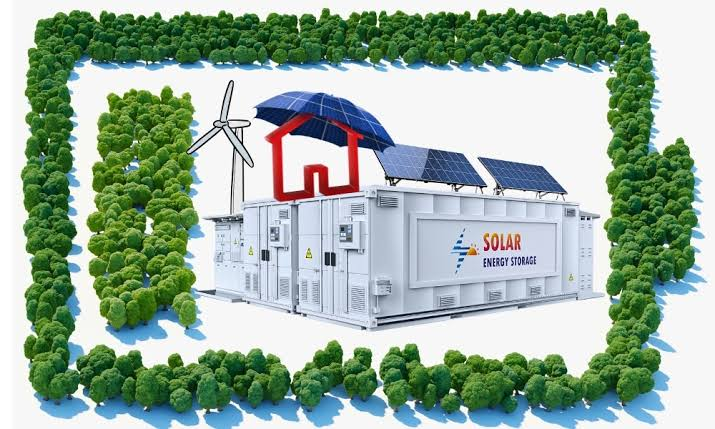
Energy storage has transformed the solar industry. Previously, solar systems mainly produced electricity during daylight hours. With battery storage, customers can save excess energy and use it when needed.
Battery storage provides several benefits:
- Backup power during outages
- Greater energy independence
- Improved electricity management
- Better use of solar energy
For solar installers, adding battery storage to solar solutions creates new business opportunities and increases customer value.
Types of Solar Batteries
Lithium-Ion Batteries
Lithium-ion batteries are currently one of the most popular choices because of their efficiency, long lifespan, and compact design.
Lead-Acid Batteries
Lead-acid batteries have been used in solar systems for many years. They are affordable but generally have shorter lifespans compared with newer technologies.
Flow Batteries
Flow batteries are designed for large-scale energy storage applications and may be suitable for commercial projects.
Solar Installation Process: A Step-by-Step Guide
Professional installation is essential for creating effective solar solutions. A well-planned installation process improves system performance and customer satisfaction.
Step 1: Customer Consultation
The process begins by understanding the customer’s energy goals. Solar installers should discuss:
- Current electricity usage
- Expected energy savings
- Available installation area
- Budget considerations
- Future energy requirements
A detailed consultation helps create a solution that matches customer expectations.
Step 2: Site Inspection and Energy Assessment
A complete site inspection allows installers to identify important factors such as:
- Roof condition
- Sun exposure
- Shading problems
- Electrical system capacity
- Installation challenges
Accurate assessment helps avoid problems during installation.
Step 3: Solar System Design
After collecting information, installers create a customized solar design. This includes:
- Number of solar panels required
- Panel placement
- Inverter selection
- Battery storage options
- Expected energy production
A professional design ensures maximum efficiency.
Step 4: Permits and Documentation
Many locations require permits and approvals before solar installation begins. Installers must prepare the necessary documentation and follow local regulations.
Proper paperwork helps prevent delays and ensures compliance with safety requirements.
Step 5: Solar Panel Installation
During installation, professionals mount solar panels securely and connect all electrical components correctly.
Important installation practices include:
- Proper panel alignment
- Secure mounting systems
- Weather protection
- Safe electrical connections
Quality installation directly affects system performance.
Step 6: Testing and System Activation
After installation, the complete solar solution must be tested. Installers verify:
- Electrical connections
- Inverter operation
- Energy production
- Safety systems
- Monitoring equipment
Once everything works correctly, the system can begin producing clean energy.
Smart Monitoring Systems in Modern Solar Solutions
Technology has improved the way solar systems are managed. Smart monitoring tools allow customers and installers to track system performance in real time.
Monitoring systems can provide information about:
- Daily energy production
- Electricity consumption
- System efficiency
- Potential equipment issues
For solar installers, monitoring technology makes maintenance easier and allows problems to be identified quickly.
Benefits of Solar Monitoring
Improved Maintenance
Installers can identify performance issues without always visiting the installation site.
Better Customer Experience
Customers can see how much energy their system produces and understand their savings.
Increased System Lifespan
Regular monitoring helps maintain equipment and improve long-term performance.
How Solar Installers Can Create Better Customer Experiences
The solar industry is becoming more competitive. Installers who provide excellent service can stand out by offering complete solar solutions instead of only installation services.
Important customer service strategies include:
Educating Customers
Many customers are interested in solar energy but do not understand how systems work. Installers who explain the technology clearly build trust.
Providing Transparent Estimates
Customers appreciate clear information about:
- System size
- Installation timeline
- Expected performance
- Maintenance requirements
Transparency creates stronger relationships.
Offering Maintenance Services
Solar solutions require minimal maintenance, but regular inspections can improve performance and prevent issues.
Maintenance services can include:
- Panel inspections
- Performance checks
- Inverter testing
- Cleaning recommendations
The Future of Solar Solutions
The solar industry continues to evolve with new technologies and improved energy management systems. Future solar solutions will likely include more advanced storage, artificial intelligence monitoring, and smarter energy networks.
Solar installers who continue learning and adapting to new technologies will be better positioned for long-term success.
The future of energy is moving toward cleaner, smarter, and more independent systems. Solar solutions will continue playing a major role in helping homes and businesses achieve energy efficiency and sustainability.
Frequently Asked Questions About Solar Solutions
1. What are solar solutions?
Solar solutions are complete energy systems that use solar technology to generate electricity from sunlight. These solutions can include solar panels, inverters, battery storage, monitoring systems, and professional installation services. They help homes, businesses, and industries reduce electricity costs and use clean renewable energy.
2. Why are solar solutions important for businesses and homeowners?
Solar solutions help reduce dependence on traditional electricity sources and lower long-term energy expenses. They also provide a cleaner alternative to fossil fuels and can increase energy independence, especially when combined with battery storage systems.
3. How do solar solutions work?
Solar solutions work by using photovoltaic solar panels to capture sunlight and convert it into electricity. The inverter then converts the generated DC electricity into AC electricity that can be used by homes or businesses. Extra energy can be stored in batteries for later use.
4. What components are included in a complete solar solution?
A complete solar solution usually includes solar panels, solar inverters, mounting structures, electrical wiring, monitoring equipment, and optional battery storage. Professional design, installation, and maintenance services are also important parts of a reliable solar system.
5. How long do solar solutions last?
Most modern solar solutions are designed to provide reliable energy for 25 years or more. Solar panels generally maintain strong performance for many years, while components such as inverters and batteries may require replacement or upgrades during the system’s lifetime.
6. Are solar solutions suitable for every location?
Solar solutions can work in many locations, but system performance depends on factors such as sunlight availability, roof condition, shading, and energy requirements. A professional solar installer can evaluate a property and recommend the most suitable system design.
7. How much maintenance do solar solutions require?
Solar solutions require relatively low maintenance compared with many traditional energy systems. Regular inspections, monitoring, and occasional cleaning can help maintain efficiency and extend the lifespan of the equipment.
8. Can solar solutions provide power during electricity outages?
Yes, solar solutions with battery storage can provide backup power during outages. A standard grid-connected solar system may shut down during an outage for safety reasons unless it includes an approved backup system.
9. What factors affect the cost of solar solutions?
The cost of solar solutions depends on several factors, including system size, solar panel quality, inverter type, battery storage options, installation complexity, location, and energy requirements. A customized system design provides the most accurate cost estimate.
10. Why should customers hire professional solar installers for solar solutions?
Professional solar installers have the knowledge and experience needed to design safe and efficient solar systems. They ensure proper equipment selection, correct installation, compliance with safety standards, and better long-term performance of the solar solution.
Conclusion: The Future of Solar Solutions
Solar solutions are becoming an essential part of the global shift toward clean and reliable energy. For solar installers, offering complete and efficient solar systems creates opportunities to meet the growing demand for renewable power. From residential projects to large commercial installations, quality solar solutions help customers reduce energy costs, improve independence, and support environmental sustainability. As technology continues to improve, advanced solar systems with better storage and monitoring features will become even more valuable. By focusing on professional installation, customer education, and innovative solutions, solar installers can build successful businesses in the growing renewable energy industry.