10 Sustainable Energy: The Future of Clean Power and a Greener World
Introduction
Energy is the foundation of modern civilization. Every part of our daily lives depends on energy, from powering homes and businesses to running transportation systems, industries, and digital technologies. For many decades, the world has relied heavily on fossil fuels such as coal, oil, and natural gas to meet its growing energy demands. While these sources have supported economic development, they have also created serious environmental challenges, including climate change, air pollution, and the depletion of natural resources.
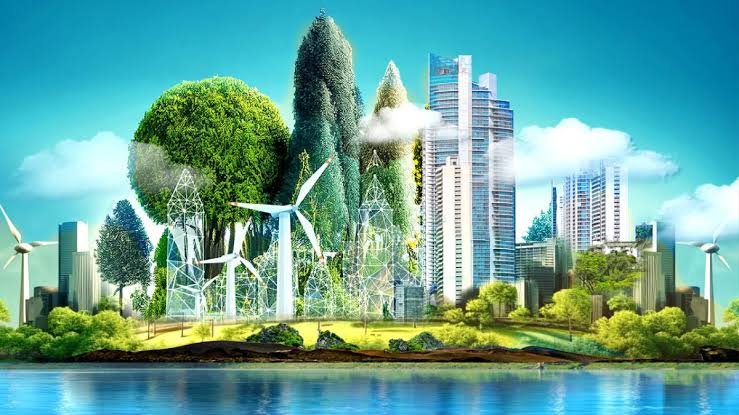
This is where Sustainable Energy becomes increasingly important. Sustainable energy represents a cleaner, smarter, and more responsible approach to meeting global energy needs. It focuses on producing and using energy in ways that protect the environment, support economic growth, and ensure that future generations have access to reliable power.
The transition toward sustainable energy is not just an environmental movement; it is a global necessity. Governments, businesses, scientists, and individuals around the world are working together to develop renewable energy technologies, improve energy efficiency, and create a more sustainable energy system.
In this comprehensive guide, we will explore what sustainable energy means, why it matters, different types of sustainable energy sources, its benefits, challenges, and how it can transform the future of our planet.
What Is Sustainable Energy?
Sustainable energy refers to energy sources and technologies that can provide power without causing long-term damage to the environment or exhausting natural resources. The main goal of sustainable energy is to create a balance between human energy needs and the health of the planet.
Unlike traditional fossil fuels, which take millions of years to form and release harmful greenhouse gases when burned, sustainable energy sources are naturally replenished and produce significantly lower emissions.
Examples of sustainable energy include:
- Solar energy
- Wind energy
- Hydropower
- Geothermal energy
- Sustainable biomass energy
- Green hydrogen
These energy sources are considered sustainable because they can continue to provide power for generations when properly managed.
Sustainable energy is not only about generating electricity from renewable sources. It also includes improving energy efficiency, reducing waste, developing cleaner transportation systems, and creating technologies that use resources more responsibly.
Why Sustainable Energy Is Important
The importance of sustainable energy has increased as the world faces environmental and economic challenges. Population growth, industrial expansion, and rising energy consumption have placed enormous pressure on existing energy systems.
1. Reducing Climate Change
One of the biggest advantages of sustainable energy is its ability to reduce greenhouse gas emissions. Burning fossil fuels releases carbon dioxide and other gases that trap heat in the atmosphere, contributing to global warming.
Renewable energy sources produce little to no direct carbon emissions during operation. By replacing fossil fuels with sustainable alternatives, countries can reduce their impact on climate change.
2. Protecting Natural Resources
Traditional energy sources are limited. Coal, oil, and natural gas reserves are being consumed faster than they can naturally regenerate.
Sustainable energy relies on resources that are naturally available, such as sunlight, wind, and water. These resources help create a more secure and long-lasting energy future.
3. Improving Air Quality
Air pollution from fossil fuel combustion is linked to many health problems, including respiratory diseases and cardiovascular issues.
Clean energy systems help reduce harmful pollutants, creating healthier communities and improving overall quality of life.
4. Creating Economic Opportunities
The sustainable energy industry has created millions of jobs worldwide. Careers in solar installation, wind technology, energy engineering, research, and clean transportation continue to grow.
Investment in sustainable energy can also support local economies and reduce dependence on imported fuels.
Sustainable Energy: The Future of Clean Power and a Greener World
Part 2: Types of Sustainable Energy Sources
5. Solar Energy: Power From the Sun
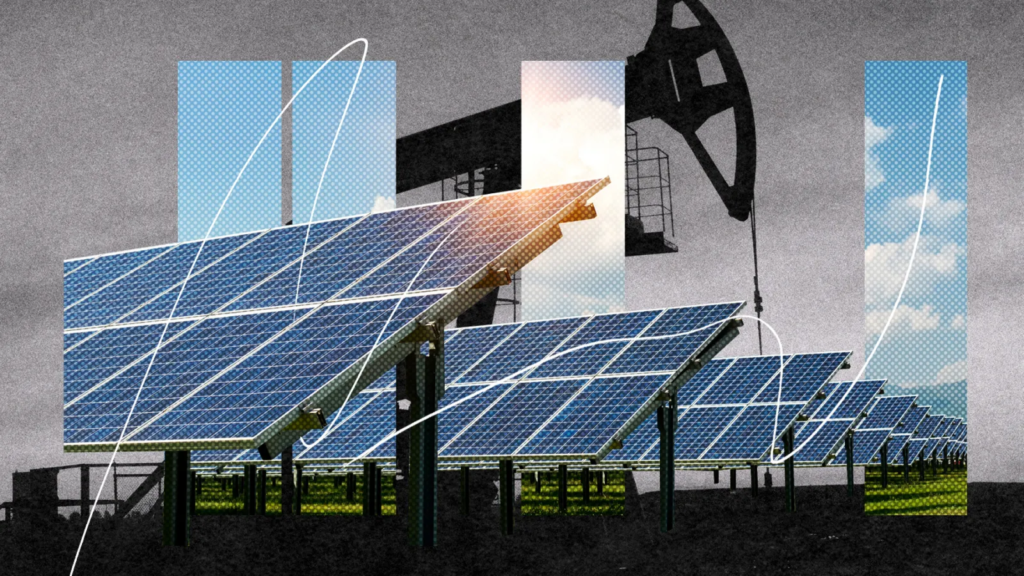
Solar energy is one of the most popular and rapidly growing forms of sustainable energy in the world. It uses sunlight as a natural source of power and converts it into electricity or heat through advanced technologies.
Sunlight70%
Building load3.0 kW
MeterExport0.6 kW
Utility grid
PV array3.6 kW
InverterDC → AC
Service panelAC
Solar supplies the 3.0 kW building load and exports 0.6 kW to the grid
Available sunlight
%
Available sunlight
Building demand
kW
Building demand
Solar panels, also known as photovoltaic (PV) panels, capture sunlight and transform it into usable electricity. These systems can be installed on residential rooftops, commercial buildings, farms, and large solar power plants.
The biggest advantage of solar energy is that sunlight is abundant and available in almost every region of the world. Unlike fossil fuels, solar power does not require mining, drilling, or burning resources that create harmful emissions.
Benefits of Solar Energy
- Produces clean electricity without direct carbon emissions
- Reduces dependence on fossil fuels
- Can lower electricity costs over time
- Requires relatively low maintenance
- Can provide power in remote areas
Solar energy is especially valuable for communities that do not have access to traditional electricity networks. Small solar systems can provide lighting, heating, and basic electricity services to rural areas.
However, solar energy also has some challenges. Solar power production depends on sunlight availability, meaning energy generation can decrease during cloudy weather or at night. To solve this issue, many systems are combined with energy storage technologies such as advanced batteries.
6. Wind Energy: Using Nature’s Movement
Wind energy is another important source of sustainable power. It converts the movement of wind into electricity through wind turbines.102030100Wind speed (m/s)Cut-in 3Rated 12: 3 MWCut-out 25Power (% rated)
9 m/s produces 1.24 MW; output rises rapidly
Wind speed
m/s
Wind speed
When wind moves the blades of a turbine, the mechanical energy is converted into electrical energy through a generator. Wind farms can be built on land (onshore wind farms) or in oceans (offshore wind farms).
Countries around the world are investing heavily in wind energy because it provides large amounts of electricity while producing very low emissions.
Advantages of Wind Energy
- Renewable and naturally available resource
- Produces clean electricity
- Requires no fuel during operation
- Helps reduce greenhouse gas emissions
- Supports the growth of green industries
Offshore wind farms have become increasingly important because ocean areas often have stronger and more consistent winds. Modern turbines are becoming larger and more efficient, allowing them to generate more electricity than older designs.
Despite its benefits, wind energy also faces challenges. Wind speeds vary from location to location, and some communities have concerns about the visual appearance and noise of turbines. Careful planning and improved technology help reduce these concerns.
7. Hydropower: Energy From Moving Water
Hydropower is one of the oldest and most widely used renewable energy sources. It generates electricity by using the movement of water, usually from rivers or reservoirs.
ReservoirPower linesIntakeGeneratorHead 60 mPenstockTurbineRiver
70 m³/s × 60 m head → 37.1 MW
Turbine flow
m³/s
Turbine flow
Reservoir level
m
Reservoir level
Hydroelectric power plants use flowing water to spin turbines, which produce electricity. Large dams can store water and provide a reliable source of power throughout the year.
Benefits of Hydropower
- Provides consistent electricity generation
- Produces low greenhouse gas emissions
- Can support energy storage
- Helps manage electricity demand
- Has a long operational lifespan
Hydropower is especially useful because it can respond quickly to changes in electricity demand. When energy demand increases, water flow can be adjusted to produce more electricity.
However, large hydroelectric projects can affect ecosystems, rivers, and local communities. Building dams may change natural water systems and impact wildlife habitats. Sustainable planning is necessary to minimize these effects.
8. Geothermal Energy: Heat From the Earth
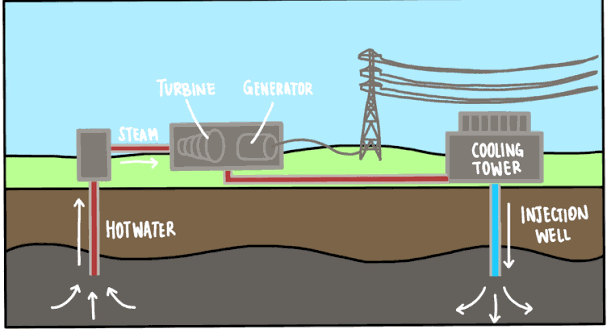
Geothermal energy uses natural heat stored beneath the Earth’s surface. This heat comes from the planet’s internal energy and can be used for electricity generation and heating.
Geothermal steamCooled return
Generator → electricity
Direct steamTurbineCooler
Production wellInjection well
Hot reservoir · fluid + pores
Reservoir steam drives the turbine, condenses, and is reinjectedDry steamFlash steamBinary cycle
Dry steamFlash steamBinary cycle
Geothermal power plants access underground heat sources by drilling wells into areas with high geothermal activity. The heat can produce steam, which drives turbines to generate electricity.
Advantages of Geothermal Energy
- Provides reliable power throughout the year
- Produces low emissions
- Requires a small land area
- Does not depend on weather conditions
- Can provide both electricity and heating
Unlike solar and wind energy, geothermal energy can operate continuously because it does not depend on sunlight or wind conditions.
The main limitation is that geothermal resources are not available equally everywhere. Some regions have excellent geothermal potential, while others cannot easily access underground heat sources.
9. Biomass Energy: Using Organic Materials
Biomass energy is produced from organic materials such as agricultural waste, wood, plants, and other biological resources.
When managed responsibly, biomass can become a sustainable energy source because new plants can be grown to replace the materials used for energy production.
Common Sources of Biomass Energy
- Agricultural leftovers
- Forestry waste
- Animal waste
- Organic household waste
- Energy crops
Biomass can be converted into electricity, heat, or biofuels for transportation.
Benefits of Biomass Energy
- Uses waste materials effectively
- Can reduce landfill waste
- Supports rural economies
- Provides alternative fuel options
However, biomass must be carefully managed. Unsustainable harvesting of forests or excessive land use can create environmental problems. Sustainable biomass systems focus on responsible resource management.
10. Green Hydrogen: A Future Energy Solution
Green hydrogen is an emerging sustainable energy technology that has gained significant attention worldwide. It is produced by using renewable electricity to separate hydrogen from water through a process called electrolysis.
Unlike traditional hydrogen production methods that rely on fossil fuels, green hydrogen can be created with very low carbon emissions.
Potential Uses of Green Hydrogen
- Heavy transportation
- Industrial manufacturing
- Energy storage
- Steel production
- Backup power systems
Green hydrogen is considered especially important for industries that are difficult to electrify directly, such as heavy manufacturing and long-distance transportation.
The major challenge is that green hydrogen production is currently expensive compared with traditional energy sources. Continued research and investment are expected to improve efficiency and reduce costs.
The Growing Role of Sustainable Energy
The world’s energy system is changing rapidly. Renewable technologies are becoming more affordable, efficient, and accessible. Many countries are setting ambitious goals to increase clean energy production and reduce reliance on fossil fuels.
Sustainable energy is not limited to electricity generation. It represents a complete transformation of how societies produce, distribute, and consume energy.
The future energy system will likely include a combination of solar, wind, hydropower, geothermal, biomass, hydrogen, energy storage, and improved efficiency technologies.
Frequently Asked Questions (FAQs) About Sustainable Energy
1. What is sustainable energy?
Sustainable energy refers to energy sources that can provide power without causing long-term damage to the environment. It mainly comes from renewable resources such as sunlight, wind, water, geothermal heat, and responsibly managed biomass. Sustainable energy helps reduce pollution, protect natural resources, and create a cleaner future for upcoming generations.
2. Why is sustainable energy important?
Sustainable energy is important because it helps reduce dependence on fossil fuels, lowers greenhouse gas emissions, improves air quality, and protects the environment. It also supports energy security by using resources that are naturally available and can be renewed over time.
3. What are the main types of sustainable energy?
The main types of sustainable energy include solar energy, wind energy, hydropower, geothermal energy, biomass energy, and green hydrogen. Each source uses different natural processes to produce clean power while reducing environmental impact.
4. How does solar energy contribute to sustainable energy?
Solar energy contributes to sustainable energy by converting sunlight into electricity through solar panels. It is a clean and renewable source of power that does not produce direct carbon emissions during operation. Solar energy can be used for homes, businesses, industries, and large-scale electricity generation.
5. Is sustainable energy better than fossil fuels?
Yes, sustainable energy provides many advantages compared with fossil fuels. Renewable sources produce fewer greenhouse gas emissions, reduce air pollution, and rely on resources that do not run out. Fossil fuels, on the other hand, contribute significantly to climate change and environmental damage.
6. Can sustainable energy meet the world’s electricity needs?
Sustainable energy has the potential to meet a large portion of global electricity demand. With improvements in renewable technology, energy storage, smart grids, and efficiency, clean energy systems can provide reliable power for homes, industries, and transportation.
7. What are the benefits of using sustainable energy?
The benefits of sustainable energy include reducing climate change, creating jobs, lowering pollution, improving public health, protecting natural resources, and increasing energy independence. It also helps countries build a more stable and environmentally friendly energy future.
8. What challenges does sustainable energy face?
Although sustainable energy has many advantages, it also faces challenges such as high initial investment costs, energy storage limitations, weather dependency for some sources, and the need for updated energy infrastructure. Continued innovation is helping overcome these challenges.
9. How can individuals support sustainable energy?
Individuals can support sustainable energy by using energy-efficient appliances, installing solar panels where possible, reducing unnecessary energy consumption, using public transportation, supporting clean energy programs, and choosing environmentally responsible products and services.
10. What is the future of sustainable energy?
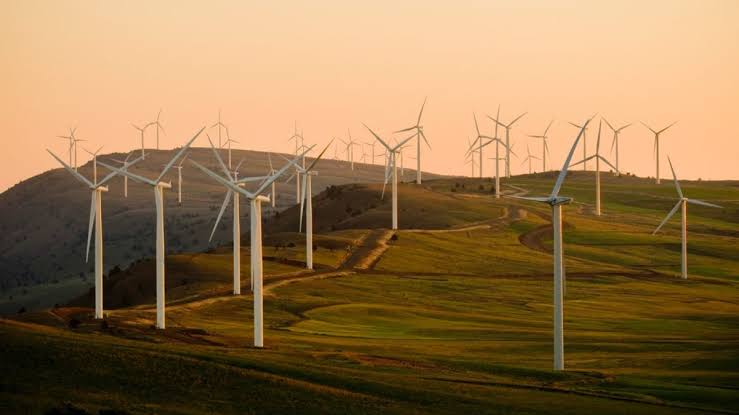
The future of sustainable energy is expected to grow significantly as countries focus on reducing carbon emissions and developing cleaner technologies. Advances in solar power, wind energy, battery storage, smart grids, and green hydrogen will play a major role in creating a sustainable global energy system.
Conclusion
Sustainable energy is the key to building a cleaner, safer, and more sustainable future for the planet. By shifting from fossil fuels to renewable sources such as solar, wind, hydropower, geothermal, and green hydrogen, societies can reduce carbon emissions, protect natural resources, and improve environmental health. The growing adoption of sustainable energy technologies is helping countries create more reliable and efficient energy systems while supporting economic development and innovation.
Although challenges such as high costs, energy storage, and infrastructure development still exist, continuous advancements are making clean energy solutions more practical and affordable. The future of energy depends on cooperation between governments, industries, and individuals. By investing in sustainable energy today, we can ensure a healthier environment and a more stable energy supply for future generations.