10 Powerful Benefits of Solar Generation for a Cleaner Energy Future
Solar generation has become one of the most important developments in the global energy industry. As countries, businesses, and households look for cleaner and more sustainable ways to produce electricity, energy from the sun is playing an increasingly important role. Unlike fossil fuels, sunlight is naturally available and does not need to be extracted from the ground, transported, or burned to produce electricity.
The growth of solar generation is also changing the way people think about energy. Electricity is no longer produced only in large centralized power stations. Today, solar panels can be installed on homes, commercial buildings, farms, schools, and large utility-scale projects. This flexibility makes solar energy useful for many different communities and applications.
What Is Solar Generation?
Solar generation refers to the process of producing electricity from sunlight. The most common method uses photovoltaic, or PV, solar panels. These panels contain solar cells that convert sunlight directly into electrical energy.
When sunlight reaches a solar panel, the solar cells generate direct current electricity. An inverter then converts this electricity into alternating current, which can be used by homes and businesses or supplied to the electrical grid.
Another method is concentrated solar power, which uses mirrors or other reflective surfaces to concentrate sunlight and produce heat. The heat can then be used to generate electricity. While photovoltaic technology is more common, both approaches demonstrate how sunlight can become a practical source of power.
Why Solar Generation Is Growing
Several factors are contributing to the rapid development of solar generation. One of the biggest reasons is the increasing demand for cleaner energy.
Traditional electricity generation has historically relied heavily on coal, oil, and natural gas. These fuels release greenhouse gases and other pollutants when they are burned. Solar generation, on the other hand, produces electricity without combustion during operation.
The cost of solar technology has also become more accessible over time. Improvements in manufacturing, panel efficiency, installation techniques, and energy storage have helped make solar projects more practical for a wider range of users.
Another important factor is energy independence. Countries that depend heavily on imported fuels can use domestic solar resources to diversify their energy supply. At the household level, solar systems can help property owners produce part of their own electricity.
How Solar Panels Generate Electricity
Solar panels may look simple, but the process behind solar generation involves several important steps.
First, sunlight reaches the surface of the solar panel. Photovoltaic cells absorb energy from the light. This causes electrons within the cells to move, creating an electrical current.
The electricity produced by the panels is initially direct current. Because most household appliances and electrical grids use alternating current, an inverter is normally required to convert the electricity into a usable form.
Electricity can then be consumed immediately, stored in a battery, or sent to the electricity grid depending on the system design and local regulations.
The amount of electricity generated depends on several factors, including sunlight intensity, panel orientation, weather conditions, system size, shading, and the efficiency of the equipment.
Benefits of Solar Generation
Solar generation offers several environmental, economic, and practical advantages.
1. Renewable Energy Source
Sunlight is a renewable resource. Unlike finite fossil fuels, solar energy is continuously replenished by nature. This makes solar power an important part of long-term energy planning.
2. Lower Operational Emissions
Solar panels generate electricity without burning fuel. During operation, this means they do not produce the direct combustion emissions associated with conventional fossil-fuel power plants.
3. Reduced Electricity Costs
A properly designed solar system can reduce the amount of electricity a home or business needs to purchase from the grid. The actual savings depend on factors such as installation costs, electricity rates, system performance, and local policies.
4. Flexible Installation
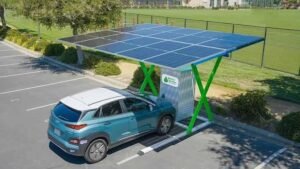
Solar generation can take place on rooftops, open land, parking areas, and other suitable locations. Small residential systems and very large solar farms can operate as part of the same broader energy ecosystem.
5. Low Maintenance Requirements
Solar panels generally have no major moving parts, which can reduce mechanical wear. Routine inspections, cleaning where necessary, and monitoring can help maintain system performance.
Solar Generation and Energy Storage
One challenge associated with solar generation is that sunlight is not available at every moment. Solar panels generally produce the most electricity during daylight hours, while electricity demand can continue into the evening.
Energy storage can help address this challenge. Batteries can store excess electricity produced during periods of strong solar production and make some of that stored energy available later.
Battery storage is therefore becoming an important partner to solar generation. Together, solar panels and batteries can provide greater flexibility and help households or businesses make better use of the electricity their systems produce.
Large-scale storage can also support electricity grids by helping balance supply and demand. As renewable energy becomes more common, energy storage may become increasingly important for maintaining a reliable electricity system.
Solar Generation for Homes
Residential solar generation allows homeowners to produce electricity directly from their property. A typical rooftop system includes solar panels, an inverter, electrical equipment, and, in some cases, a battery.
Before installing a system, homeowners should consider the available roof space, roof condition, shading, local climate, electricity consumption, and applicable regulations. The size of a solar system should be based on actual energy needs rather than simply installing as many panels as possible.
Homeowners should also understand that solar performance varies throughout the year. A system may generate more electricity during sunny periods and less during cloudy or shorter winter days.
Solar Generation for Businesses
Businesses can also benefit from solar generation. Commercial buildings often have large rooftops or parking areas that can provide useful installation space.
A commercial solar system may help reduce electricity purchases and provide greater visibility into long-term energy costs. Companies may also use solar projects as part of broader sustainability and environmental initiatives.
For businesses considering solar, factors such as operating hours, electricity consumption patterns, available installation space, financing options, and local utility rules should be carefully evaluated.
Utility-Scale Solar Generation
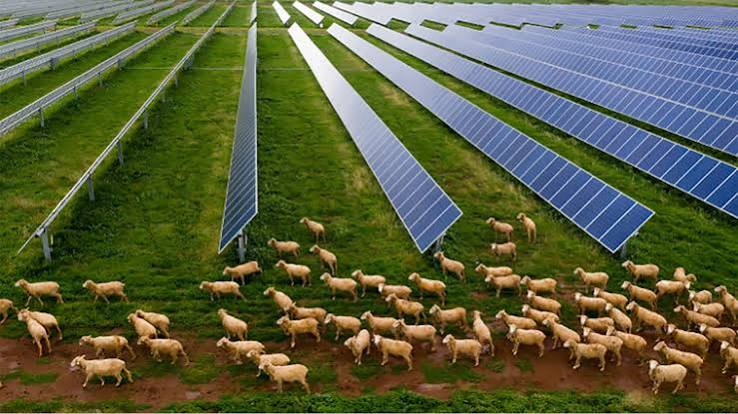
Utility-scale solar projects are designed to produce large amounts of electricity for the power grid. These facilities can cover substantial areas and contain thousands or even millions of solar panels.
Large solar farms can contribute significant amounts of renewable electricity to regional power systems. Their effectiveness depends on factors such as solar resources, grid infrastructure, land availability, transmission capacity, and project design.
Modern utility-scale projects are increasingly being combined with battery storage. This combination can allow some of the electricity produced during high-sunlight periods to be used later.
Challenges Facing Solar Generation
Although solar generation has many advantages, it is not without challenges.
The first major challenge is intermittency. Solar panels cannot generate electricity from sunlight at night, and production can be affected by clouds, storms, and seasonal changes.
Land use can also become an important consideration for large solar projects. Careful planning is necessary to balance energy development with environmental protection, agriculture, community interests, and wildlife considerations.
Another challenge involves the materials and manufacturing processes used to produce solar equipment. Responsible sourcing, efficient manufacturing, recycling, and end-of-life management are important parts of building a sustainable solar industry.
Grid integration is another consideration. As more solar generation is connected to electricity networks, grid operators need appropriate infrastructure, forecasting tools, storage solutions, and flexible resources to maintain reliability.
The Future of Solar Generation
The future of solar generation looks promising as technology continues to develop. Researchers and manufacturers are working to improve solar cell efficiency, durability, manufacturing methods, and overall system performance.
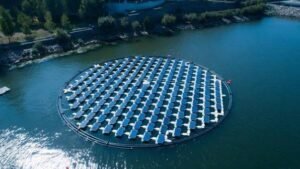
Solar panels are also becoming more adaptable. New designs and installation approaches can expand the locations where solar generation is practical.
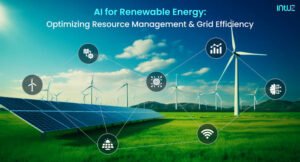
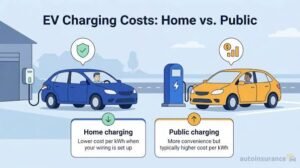
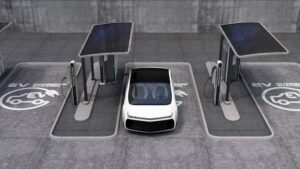
The combination of solar power, battery storage, smart energy management, electric vehicles, and modern electricity grids could create a more flexible energy system. Consumers may increasingly become both electricity users and electricity producers.
Digital monitoring is another area of development. Modern solar systems can provide detailed information about electricity production, system performance, and energy consumption. This information can help users identify problems and make better decisions about how they use electricity.
Solar Generation and a Sustainable Energy Future
Solar generation is more than simply an alternative method of producing electricity. It represents a shift toward a more diverse and renewable energy system.
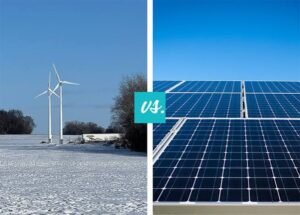
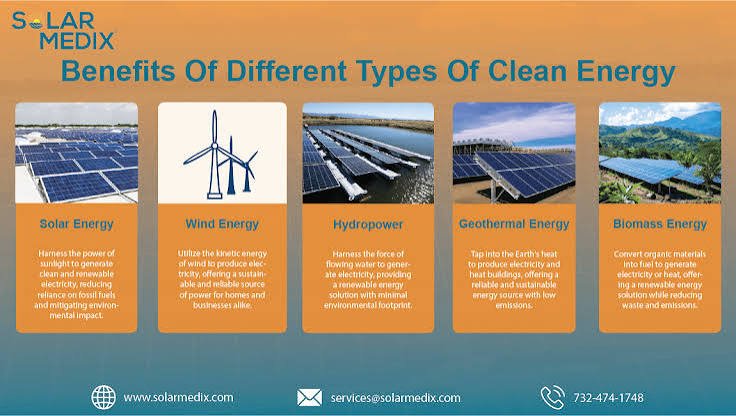
As electricity demand grows, communities will need multiple sources of reliable power. Solar energy can work alongside wind power, hydropower, batteries, and other energy technologies to create a balanced electricity system.
The transition will not happen in exactly the same way everywhere. Different regions have different sunlight conditions, electricity infrastructure, regulations, and energy requirements. However, the basic advantage of solar generation remains the same: sunlight provides a widely available source of energy that can be converted into useful electricity.
Frequently Asked Questions About Solar Generation
1. What is solar generation?
Solar generation is the process of producing electricity from sunlight, usually through photovoltaic (PV) solar panels.
2. How do solar panels generate electricity?
Solar panels absorb sunlight through photovoltaic cells. These cells convert sunlight into direct current electricity, which an inverter converts into usable alternating current.
3. Is solar generation renewable energy?
Yes. Solar generation is a renewable energy source because it uses sunlight, which is naturally replenished.
4. What are the main benefits of solar generation?
The main benefits include renewable electricity production, lower operational emissions, reduced dependence on conventional energy sources, and flexible installation options.
5. Can solar generation work on cloudy days?
Yes. Solar panels can still generate electricity on cloudy days, although their output is generally lower than during bright, sunny conditions.
6. Can solar panels generate electricity at night?
No. Solar panels require sunlight to generate electricity. Batteries can store excess daytime electricity for use during nighttime.
7. What is battery storage in solar generation?
Battery storage allows excess electricity produced by solar panels to be stored and used later when solar production is low or unavailable.
8. Can solar generation be used for homes?
Yes. Residential solar systems can be installed on suitable rooftops or other areas to generate electricity for household use.
9. What factors affect solar generation?
Sunlight availability, panel orientation, shading, weather, system size, equipment efficiency, and seasonal conditions can all affect electricity production.
10. What is the future of solar generation?
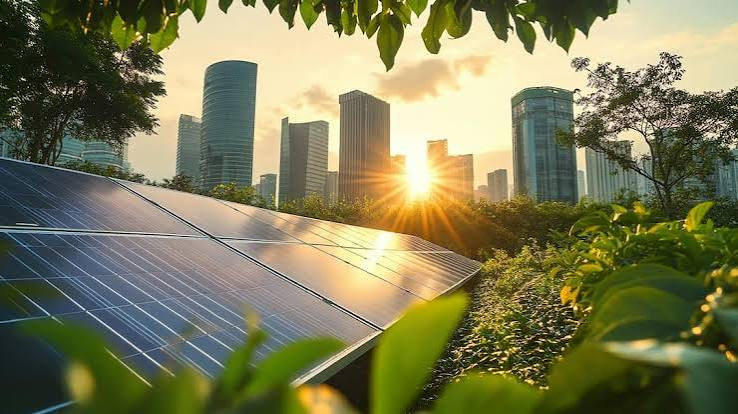
The future of solar generation is expected to involve more efficient solar technology, improved battery storage, smarter electricity grids, and wider adoption by homes, businesses, and utility-scale projects.
Conclusion
Solar generation has developed from a relatively specialized technology into an important part of the modern energy landscape. Its renewable nature, flexible installation options, and ability to produce electricity without fuel combustion make it attractive for homes, businesses, and large-scale energy projects.
At the same time, solar power must be developed thoughtfully. Energy storage, grid infrastructure, responsible manufacturing, recycling, land management, and reliable system planning will all play important roles in its continued growth.
For consumers and organizations considering solar, understanding both its benefits and limitations is essential. With continued technological development and responsible planning, solar generation can make a meaningful contribution to a cleaner, more flexible, and more sustainable energy future.