The Evolution of Smartphones: From Basic Phones to Smart Ecosystems
Introduction
The mobile phone has come a long way since its introduction. What began as a simple device for making calls has evolved into a powerful tool that connects people, businesses, and smart devices across the globe. Smartphones are no longer limited to communication—they have become essential for work, education, entertainment, healthcare, banking, and everyday life.
Over the past few decades, rapid technological advancements have transformed mobile phones into intelligent ecosystems capable of managing nearly every aspect of modern living. This evolution has changed not only how people communicate but also how they interact with technology and the world around them.
This article explores the remarkable journey of smartphones, from basic mobile phones to today’s interconnected smart ecosystems.
The Era of Basic Mobile Phones
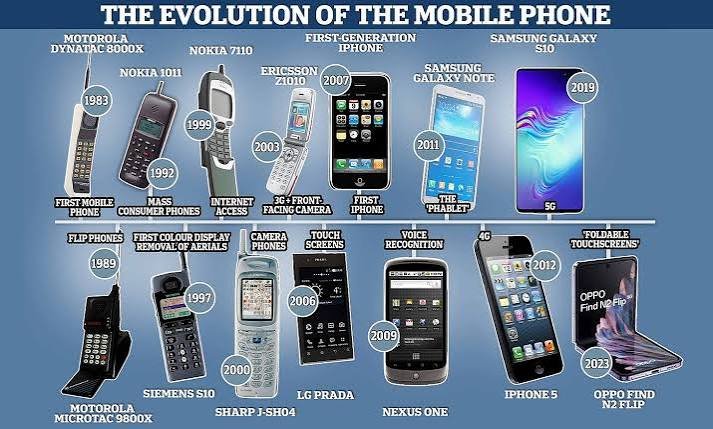
The first generation of mobile phones focused on one primary purpose: voice communication. These early devices were large, heavy, and expensive, making them accessible to only a limited number of users.
As technology improved, mobile phones became smaller, more affordable, and easier to carry. Basic phones introduced features such as:
- Voice calls
- Contact storage
- Text messaging (SMS)
- Alarm clocks
- Calculators
- Simple games
One of the most iconic examples was the classic mobile phone that featured physical keypads and long-lasting battery life. While limited by today’s standards, these devices revolutionized personal communication.
The Rise of Feature Phones
Before smartphones became mainstream, feature phones bridged the gap between basic phones and advanced mobile devices.
Feature phones introduced several new capabilities, including:
- Color displays
- Built-in cameras
- Multimedia messaging (MMS)
- MP3 music playback
- Bluetooth connectivity
- Expandable storage
- Basic internet browsing
These additions made mobile phones more versatile and laid the foundation for the smartphone revolution.
The Birth of Smartphones
The arrival of smartphones marked a major turning point in mobile technology. Unlike feature phones, smartphones combined communication, computing, and internet access into a single portable device.
Early smartphones introduced:
- Touchscreen interfaces
- Email access
- Mobile web browsing
- Downloadable applications
- Digital calendars
- GPS navigation
For the first time, users could carry a small computer in their pocket, capable of handling both personal and professional tasks.
The App Revolution
One of the biggest milestones in smartphone evolution was the introduction of app stores. Instead of relying only on built-in features, users could download applications tailored to their needs.
Mobile apps transformed smartphones into customizable tools for:
- Social networking
- Online shopping
- Mobile banking
- Video streaming
- Fitness tracking
- Education
- Productivity
- Gaming
Today, millions of apps are available, allowing smartphones to perform countless functions beyond communication.
Faster Internet Connectivity
Internet connectivity has played a crucial role in smartphone development.
Over the years, mobile networks have evolved through several generations:
- 2G enabled text messaging and basic internet.
- 3G improved web browsing and video calls.
- 4G introduced high-speed streaming and mobile gaming.
- 5G delivers ultra-fast speeds, lower latency, and better support for connected devices.
Each new generation has expanded what smartphones can accomplish.
Advances in Mobile Hardware
Modern smartphones are significantly more powerful than earlier devices.
Today’s hardware includes:
- High-performance processors
- Advanced graphics capabilities
- Large OLED and AMOLED displays
- High-capacity batteries
- Fast charging technology
- Wireless charging
- Increased storage capacity
- Multiple camera systems
These improvements enable smartphones to handle demanding applications such as video editing, gaming, and artificial intelligence.
The Evolution of Mobile Cameras
Camera technology has become one of the most important aspects of smartphones.
Early mobile cameras captured simple, low-resolution images. Modern smartphones now offer features such as:
- High-resolution photography
- Optical zoom
- Night mode
- Portrait photography
- AI image enhancement
- Optical image stabilization
- 4K and 8K video recording
For many users, smartphones have completely replaced traditional digital cameras.
Artificial Intelligence in Smartphones
Artificial Intelligence has transformed smartphones into intelligent assistants.
AI now powers features such as:
- Voice assistants
- Smart photography
- Face recognition
- Predictive typing
- Language translation
- Personalized recommendations
- Battery optimization
These intelligent features improve performance while making smartphones easier and more efficient to use.
Smartphones as Digital Wallets
Modern smartphones have changed how people manage money.
Today, users can:
- Make contactless payments
- Transfer funds
- Shop online
- Pay utility bills
- Store digital tickets
- Save loyalty cards
These capabilities have made smartphones an essential part of everyday financial activities.
The Emergence of Smart Ecosystems
Today’s smartphones are no longer standalone devices. They serve as the central hub of an expanding smart ecosystem.
Users can connect their phones with:
- Smartwatches
- Wireless earbuds
- Smart TVs
- Home security systems
- Smart lighting
- Thermostats
- Connected vehicles
- Health monitoring devices
This seamless integration allows users to control multiple devices from a single smartphone, creating a more convenient and connected lifestyle.
Cloud Computing and Cross-Device Integration
Cloud technology has made smartphones even more powerful by allowing users to access their files and services from virtually anywhere.
Benefits include:
- Automatic backups
- Cross-device synchronization
- Remote file access
- Secure cloud storage
- Easy collaboration
Users can start a task on one device and continue it on another without interruption.
Mobile Security Has Advanced
As smartphones began storing more personal information, security technologies evolved significantly.
Modern smartphones include:
- Fingerprint authentication
- Facial recognition
- Device encryption
- Secure digital payments
- Biometric authentication
- Two-factor authentication
- AI-powered threat detection
These features help protect users against identity theft and cybercrime.
Smartphones in Everyday Life
Today, smartphones influence nearly every aspect of daily living.
People use them to:
- Communicate with family and friends.
- Work remotely.
- Attend online classes.
- Navigate unfamiliar locations.
- Monitor health and fitness.
- Manage personal finances.
- Capture memories through photos and videos.
- Access entertainment anytime, anywhere.
The smartphone has become one of the most valuable personal devices ever created.
Challenges of Modern Smartphones
Despite their many advantages, smartphones also present several challenges.
These include:
- Privacy concerns
- Cybersecurity threats
- Screen addiction
- Electronic waste
- Rising device costs
- Frequent software updates
- Digital distractions
Balancing innovation with responsible use remains an important goal for both manufacturers and users.
The Future of Smartphone Ecosystems
The next generation of smartphones will become even more intelligent and interconnected.
Future innovations may include:
- More advanced AI assistants
- Foldable and rollable displays
- Improved augmented reality experiences
- Satellite communication
- Smarter health monitoring
- Longer-lasting batteries
- Greater integration with smart cities
- Enhanced privacy and security features
Rather than functioning as standalone devices, smartphones will continue to act as the central controller for an increasingly connected digital world.
Conclusion
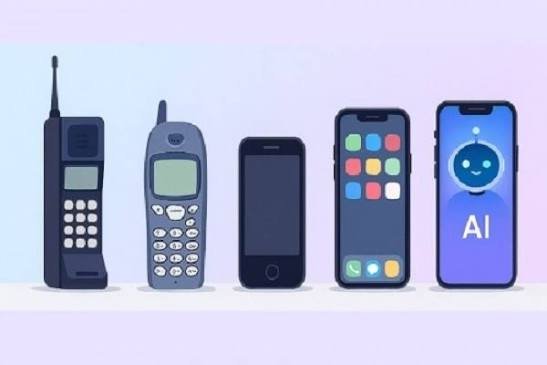
The evolution of smartphones from basic mobile phones to intelligent smart ecosystems is one of the most remarkable technological transformations of the modern era. What once served only as a tool for making calls has become a powerful device that supports communication, productivity, entertainment, healthcare, finance, and smart living.
As technology continues to advance, smartphones will become even more capable, connecting seamlessly with other devices and delivering personalized, AI-powered experiences. While challenges such as privacy, cybersecurity, and sustainability remain, the future of smartphones promises greater innovation, convenience, and connectivity. The journey from simple mobile phones to smart ecosystems is far from over, and the next chapter is set to redefine how people interact with technology in their everyday lives.