10 Powerful Benefits of Green Energy: The Future of Clean, Sustainable, and Renewable Power
Introduction to Green Energy
Energy is the foundation of modern civilization. Every home, business, industry, and technology system depends on a reliable source of power. For many decades, the world has relied heavily on fossil fuels such as coal, oil, and natural gas to meet its energy demands. While these traditional sources have supported economic growth, they have also created serious environmental challenges, including air pollution, climate change, and depletion of natural resources.
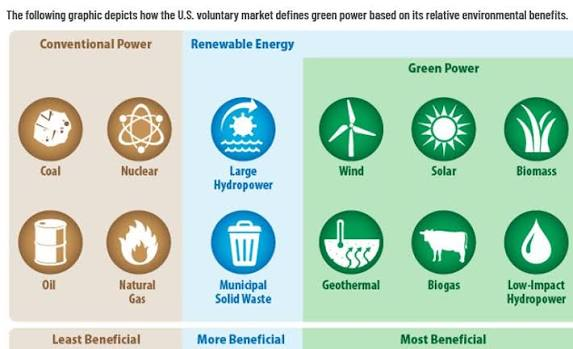
Green Energy has emerged as one of the most important solutions for creating a cleaner and more sustainable future. Green energy refers to energy produced from natural resources that are renewable, environmentally friendly, and capable of reducing harmful emissions. Sources such as sunlight, wind, water, and geothermal heat provide alternatives to traditional energy systems and help move the world toward a low-carbon future.
The demand for green energy is increasing rapidly as governments, companies, and individuals recognize the importance of protecting the environment while ensuring long-term energy security. Advances in technology have made renewable energy systems more affordable, efficient, and accessible than ever before.
This article explores everything about green energy, including its meaning, types, benefits, importance, technologies, challenges, and the future role it will play in transforming the global energy landscape.
What Is Green Energy?
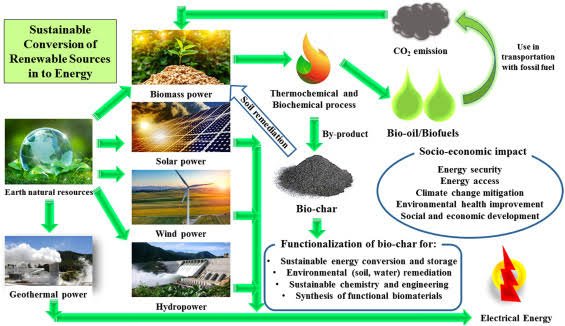
Green energy is power generated from renewable natural sources that have minimal impact on the environment. Unlike fossil fuels, which release large amounts of carbon dioxide and other pollutants when burned, green energy sources produce little or no greenhouse gas emissions during operation.
The main goal of green energy is to provide clean electricity and heating while protecting natural ecosystems and reducing dependence on limited resources.
Common examples of green energy include:
- Solar energy from sunlight
- Wind energy from air movement
- Hydropower from flowing water
- Geothermal energy from Earth’s internal heat
- Biomass energy from organic materials
These resources naturally replenish themselves, making them sustainable options for future generations.
Why Is Green Energy Important?
The importance of green energy has grown because the world faces increasing environmental and energy challenges. Rising global temperatures, extreme weather events, and increasing energy consumption have created a need for cleaner alternatives.
1. Reducing Climate Change
One of the biggest advantages of green energy is its ability to reduce greenhouse gas emissions. Traditional fossil fuels release carbon dioxide, which contributes to global warming. Renewable energy systems generate electricity with significantly lower emissions.
By replacing fossil fuels with green energy, countries can reduce their carbon footprint and support international climate goals.
2. Protecting the Environment
Energy production has a direct impact on the environment. Coal mining, oil drilling, and gas extraction can damage ecosystems, pollute water sources, and harm wildlife.
Green energy provides a cleaner approach by using natural resources without causing the same level of environmental destruction.
For example:
- Solar panels use sunlight without producing air pollution.
- Wind turbines generate electricity without burning fuel.
- Hydropower uses water movement instead of fossil resources.
3. Creating Energy Independence
Many countries depend on imported fossil fuels to meet their energy needs. This dependence can create economic and political challenges.
Green energy allows nations and communities to produce their own electricity using locally available resources. Solar, wind, and other renewable technologies can improve energy security and reduce dependence on foreign fuel supplies.
Types of Green Energy
Green energy comes from several renewable sources. Each type has unique advantages and applications.
Solar Energy
Solar energy is one of the most popular forms of green energy. It uses sunlight to generate electricity through solar panels or photovoltaic technology.
Solar power systems can be installed on:
- Residential rooftops
- Commercial buildings
- Large solar farms
- Remote locations
The popularity of solar energy continues to grow because solar panels have become more efficient and affordable.
Benefits of solar energy include:
- Clean electricity production
- Reduced electricity costs
- Low maintenance requirements
- Availability in many regions
Solar energy plays a major role in the global transition toward renewable power.
Wind Energy
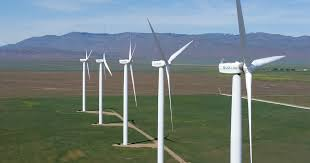
Wind energy converts the movement of air into electricity using wind turbines. When wind rotates turbine blades, mechanical energy is converted into electrical power.
Wind farms can be built on land or offshore areas where wind speeds are strong and consistent.
Advantages of wind energy include:
- Zero fuel costs
- Low emissions
- Renewable resource availability
- Large-scale electricity generation
Many countries are investing heavily in wind power as part of their clean energy strategies.
Hydropower Energy
Hydropower generates electricity by using flowing or falling water. It is one of the oldest and most widely used renewable energy sources.
Hydroelectric plants use dams, rivers, and water movement to spin turbines that produce electricity.
Advantages include:
- Reliable electricity generation
- Long operational lifespan
- Ability to store energy
- Low greenhouse gas emissions
However, hydropower projects must be carefully designed to minimize impacts on aquatic ecosystems.
Geothermal Energy
Geothermal energy uses heat from inside the Earth to generate electricity or provide heating. Underground heat sources can produce consistent energy regardless of weather conditions.
Geothermal power is especially useful in areas with strong underground heat activity.
Benefits include:
- Reliable energy production
- Small land requirements
- Low emissions
- Continuous power generation
Biomass Energy
Biomass energy comes from organic materials such as agricultural waste, wood, and plant-based materials. These resources can be converted into heat, electricity, or biofuels.
When managed responsibly, biomass can provide a renewable energy option while reducing waste.
Frequently Asked Questions (FAQs) About Green Energy
1. What is Green Energy?
Green Energy is energy produced from natural and renewable sources that have a low impact on the environment. It includes energy from sunlight, wind, water, geothermal heat, and biomass. Unlike fossil fuels, green energy produces fewer greenhouse gas emissions and helps protect the planet.
2. Why is Green Energy important?
Green Energy is important because it helps reduce pollution, fight climate change, and decrease dependence on limited fossil fuels. It provides a cleaner and more sustainable way to meet the world’s growing energy needs.
3. What are the main types of Green Energy?
The main types of Green Energy include solar energy, wind energy, hydropower, geothermal energy, and biomass energy. Each source uses natural resources that can be renewed over time.
4. How does solar energy contribute to Green Energy?
Solar energy contributes to Green Energy by converting sunlight into electricity through solar panels. It is a clean power source that reduces carbon emissions and can be used for homes, businesses, and large-scale electricity production.
5. Is Green Energy more expensive than traditional energy?
In the past, renewable energy technologies were often more expensive, but costs have decreased significantly due to technological improvements. Today, many green energy solutions are competitive with traditional energy sources and can help reduce long-term energy costs.
6. Can Green Energy replace fossil fuels completely?
Green Energy has the potential to replace a large portion of fossil fuel usage. However, achieving complete replacement requires improvements in energy storage, infrastructure, technology, and global investment in renewable systems.
7. What are the benefits of using Green Energy?
The benefits of Green Energy include reducing air pollution, lowering greenhouse gas emissions, creating new jobs, improving energy security, and protecting natural resources for future generations.
8. How does Green Energy help reduce climate change?
Green Energy helps reduce climate change by producing electricity with little or no carbon emissions. By replacing coal, oil, and gas-based power generation, renewable energy can significantly lower greenhouse gas levels.
9. Can individuals use Green Energy at home?
Yes, individuals can use Green Energy at home by installing solar panels, using energy-efficient appliances, choosing renewable electricity plans, and reducing unnecessary energy consumption.
10. What is the future of Green Energy?
The future of Green Energy is expected to grow rapidly as countries invest in renewable technologies, smart grids, energy storage, and sustainable solutions. Green Energy will play a major role in creating a cleaner and more reliable global energy system.
Conclusion
Green Energy is transforming the way the world produces and uses power. With renewable sources like solar, wind, hydropower, geothermal, and biomass, it offers a cleaner and more sustainable alternative to traditional fossil fuels. As environmental challenges continue to increase, adopting green energy has become essential for reducing pollution, protecting natural resources, and creating a healthier future.
Advances in technology are making renewable energy more affordable and accessible for homes, businesses, and industries. By investing in Green Energy today, we can build a more sustainable, energy-secure, and environmentally friendly world for future generations.