

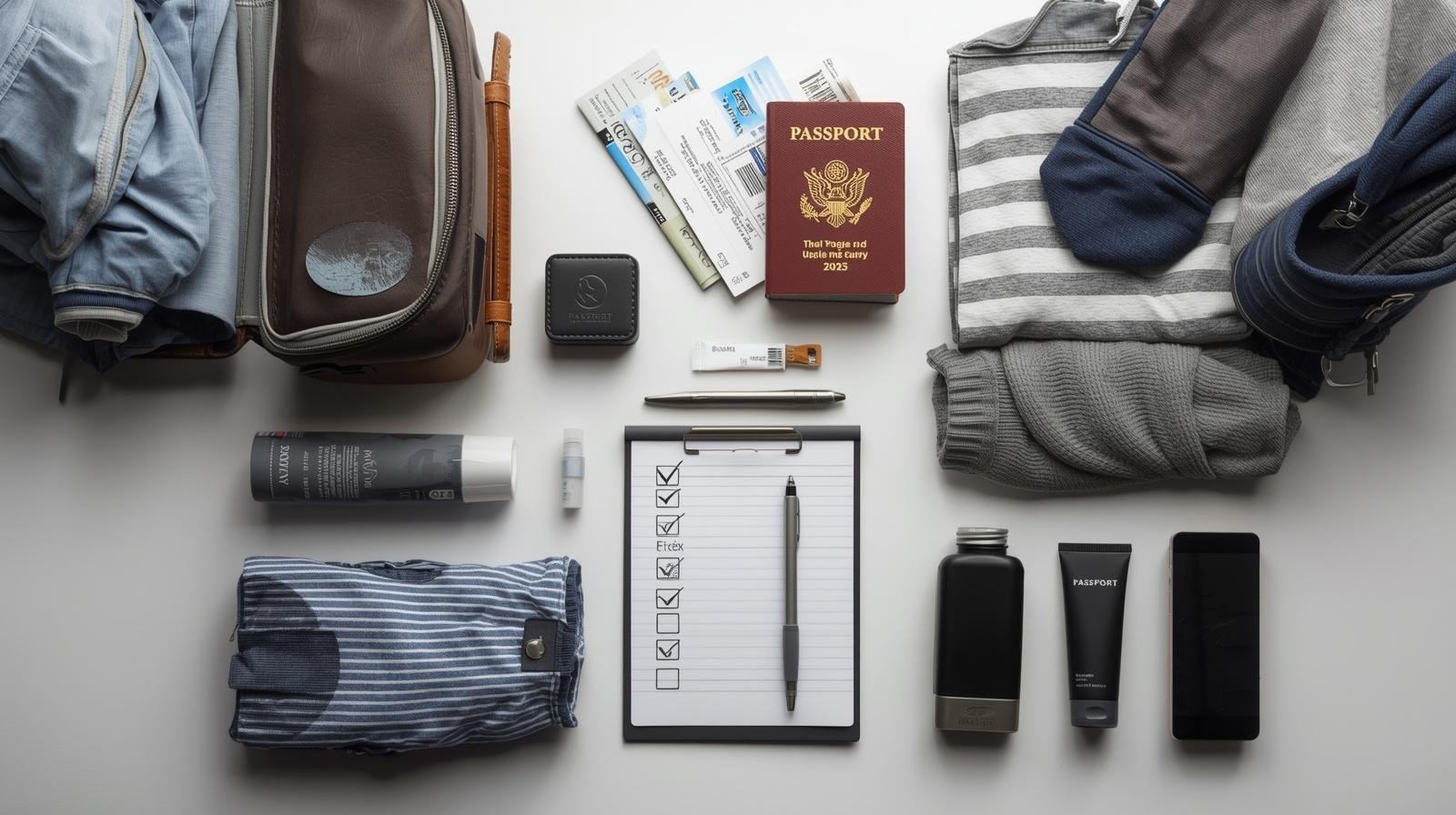
Travel without planning often leads to problems. Many travelers forget items that are important for the journey. This can cause stress, delays, and extra cost. A checklist helps avoid these issues.
A travel checklist is a list of items and tasks needed before and during a trip. It helps ensure nothing is missed. This guide explains the key checklist items for every traveler. It also explains how to organize them for better travel planning.
Why a Travel Checklist Matters
A checklist supports better preparation. It helps in:
- Reducing last minute stress
- Saving time during packing
- Avoiding extra purchases
- Keeping documents ready
Travelers who use checklists manage trips with more control.
Step 1: Personal Identification Documents
Identification is required for almost every trip.
Important documents include:
- Passport
- National identity card
- Visa if required
- Travel permits
Keep both physical and digital copies. Store copies in email or cloud storage.
Step 2: Travel Tickets and Booking Details
Proof of booking is needed during travel.
Include:
- Flight tickets
- Train or bus tickets
- Hotel booking confirmation
- Boarding passes
Save digital copies on your phone and print backup copies.
Step 3: Financial Essentials
Money management is key during travel.
Carry:
- Cash in local currency
- Debit or credit cards
- Payment apps
Keep money in different places to reduce risk of loss.
Step 4: Clothing Based on Destination
Packing clothes based on location helps avoid problems.
Consider:
- Weather conditions
- Cultural norms
- Trip duration
Pack only what is needed. Avoid overpacking.
Step 5: Basic Toiletries
Toiletries support hygiene during travel.
Checklist includes:
- Toothbrush and toothpaste
- Soap or body wash
- Shampoo
- Towel
- Personal care items
Use travel size containers to save space.
Step 6: Health and Medical Items
Health items are necessary for safety.
Carry:
- Prescription medicines
- Basic first aid kit
- Pain relief tablets
- Hand sanitizer
- Face masks if needed
Keep medicines in original packaging when possible.
Step 7: Electronic Devices and Accessories
Devices help with communication and navigation.
Include:
- Mobile phone
- Charger
- Power bank
- Earphones
- Travel adapter
Check voltage requirements for different countries.
Step 8: Travel Safety Items
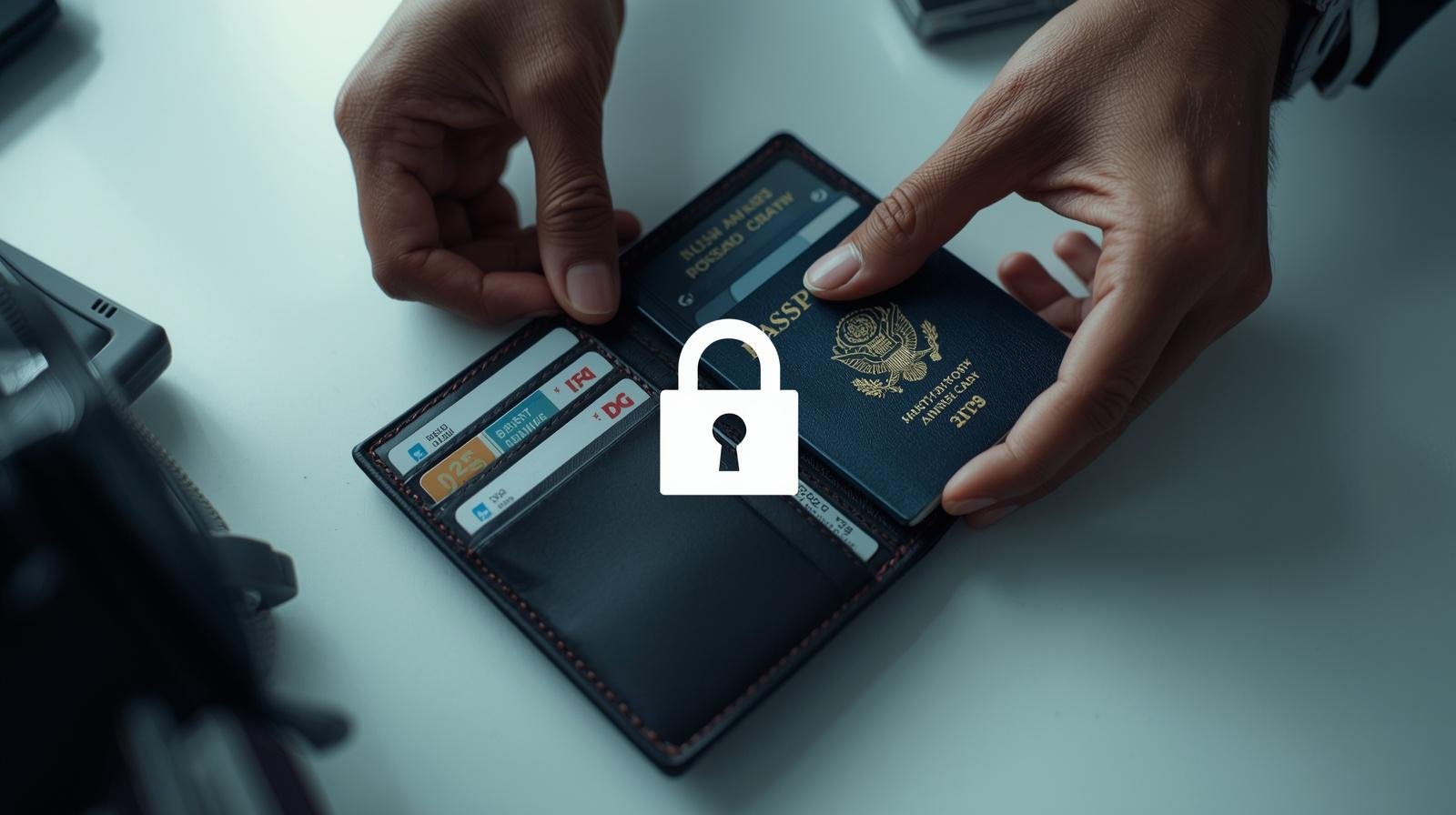
Safety items protect your belongings.
Useful items include:
- Travel locks
- Money belt
- Luggage tags
- Document holder
These items help reduce risk during travel.
Step 9: Food and Snacks
Food can be useful during long journeys.
Pack:
- Light snacks
- Reusable water bottle
Avoid carrying restricted food items for international travel.
Step 10: Travel Comfort Items
Comfort items improve travel experience.
Consider:
- Neck pillow
- Eye mask
- Blanket
- Reusable bag
These items help during long trips.
Step 11: Travel Itinerary and Notes
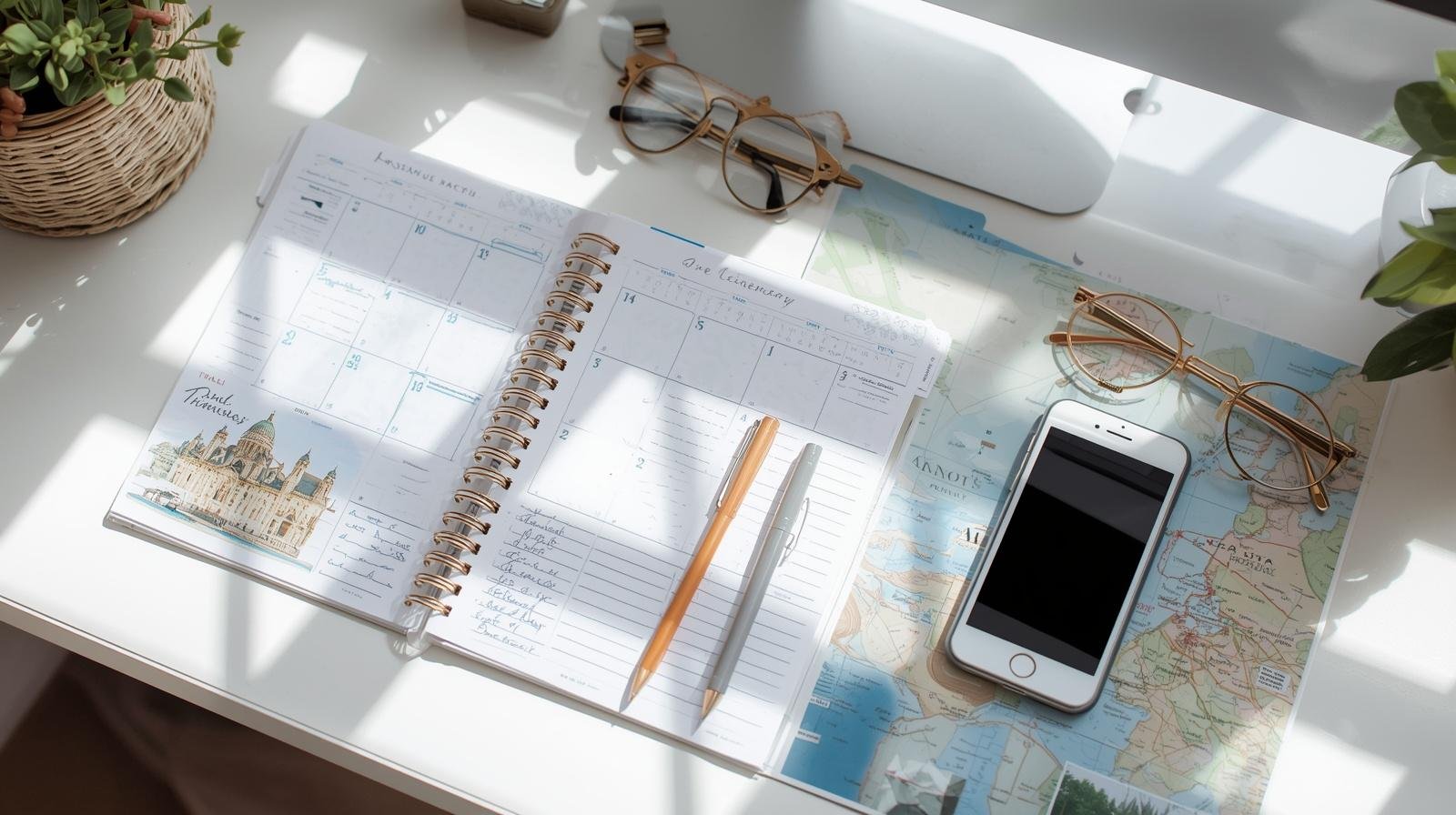
A travel plan helps manage time.
Include:
- Daily schedule
- Address of accommodation
- Contact numbers
- Emergency contacts
Keep a printed copy and a digital version.
Step 12: Navigation and Maps
Navigation tools help avoid confusion.
Use:
- Offline maps
- GPS apps
Download maps before travel to avoid internet issues.
Step 13: Laundry and Cleaning Items
Cleaning items help maintain hygiene.
Carry:
- Small detergent pack
- Laundry bag
This is useful for long trips.
Step 14: Backup and Emergency Items
Unexpected situations can occur.
Prepare:
- Extra copies of documents
- Emergency cash
- Spare phone
This reduces risk during emergencies.
Step 15: Checklist Review Before Departure
Before leaving, review your checklist.
Steps include:
- Check all bags
- Confirm documents
- Verify bookings
- Ensure devices are charged
This final step helps avoid missing items.
Common Mistakes to Avoid
Travelers often make errors such as:
- Packing unnecessary items
- Forgetting documents
- Not checking restrictions
- Carrying too much cash
Avoiding these mistakes improves travel planning.
How to Create Your Own Checklist
Each traveler has different needs.
To create a checklist:
- Write all required items
- Group them into categories
- Update list after each trip
A personal checklist becomes more useful over time.
Benefits of Using a Checklist Every Time
Using a checklist for every trip ensures:
- Better organization
- Lower stress
- Fewer problems
- More control over travel
It becomes a habit that improves each journey.
Conclusion
A travel checklist is a simple tool with strong impact. It helps travelers prepare for every part of the journey. From documents to daily items, each part plays a role in smooth travel.
Beginners and experienced travelers both benefit from using checklists. With proper use, travel becomes more organized and less stressful.






Leave a Reply