


Travel planning can feel hard for beginners. Many people think travel needs a high budget. This idea stops them from starting. In reality, travel can fit many budgets if planning is done with care.
This guide explains how beginners can plan trips with low cost. It covers steps from goal setting to booking and spending control. Each section focuses on actions that help reduce cost and avoid waste.
Understanding Budget Travel
Budget travel means managing money before and during a trip. It is not about cutting all comfort. It is about using money with purpose.
A traveler needs to know three main cost areas:
- Transport
- Stay
- Daily spending
Control over these areas helps reduce total cost.
Step 1: Set Travel Goals
Before booking anything, define the purpose of travel. This helps in decision making.
Ask simple questions:
- Why do you want to travel
- How many days do you have
- What type of places do you want to visit
Clear answers reduce confusion and help in cost control.
Step 2: Choose Destination Based on Budget
Destination choice affects total cost. Some places cost more for food, stay, and transport.
Beginners should:
- Compare multiple destinations
- Check cost of living in each place
- Look for places with low entry fees
Local travel or nearby countries often cost less than distant places.
Step 3: Decide Travel Dates
Travel cost changes with time. Prices rise during holidays and events.
To reduce cost:
- Avoid peak seasons
- Travel during weekdays
- Book tickets early
Flexible dates help in finding lower prices.
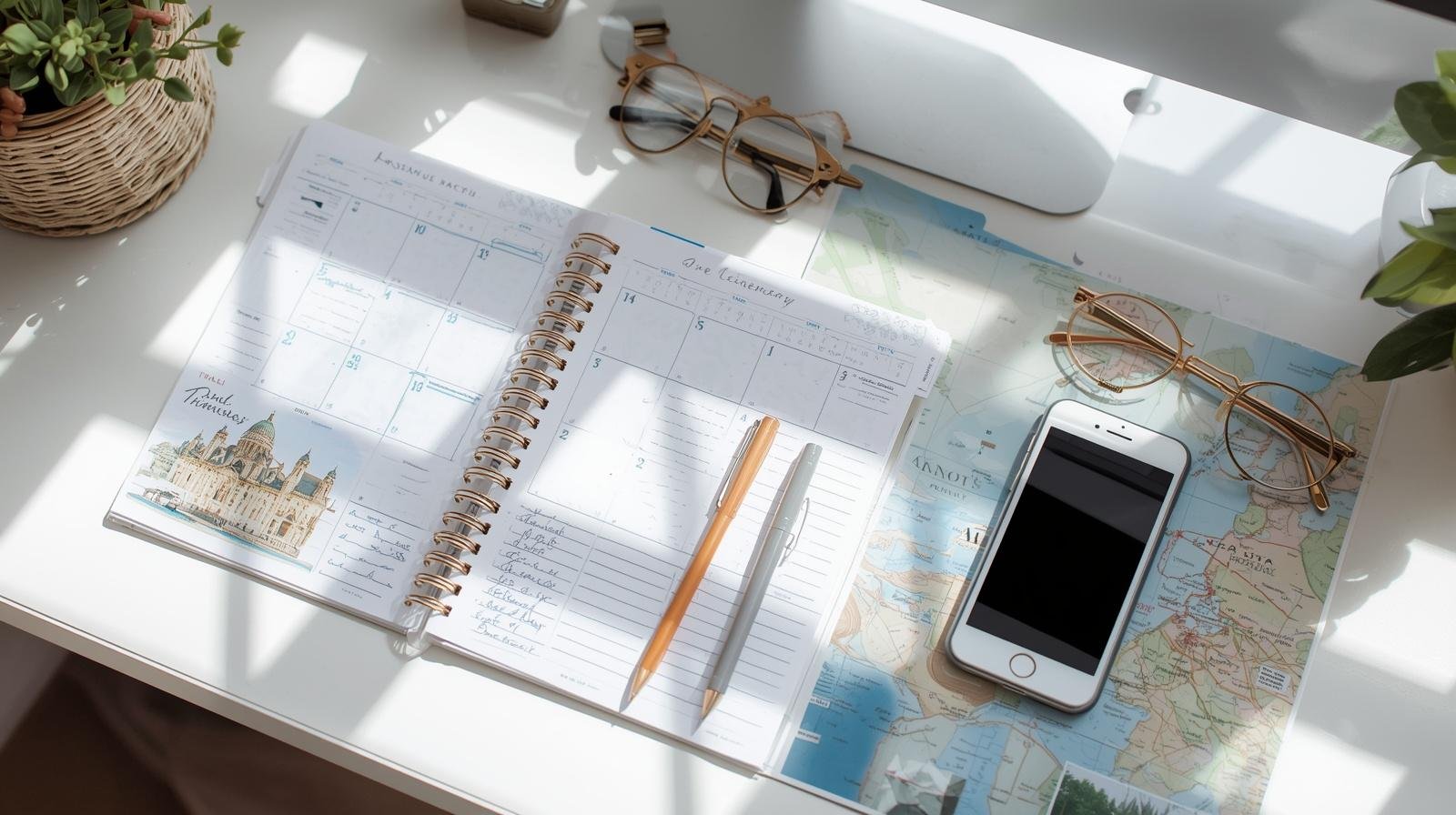
Step 4: Create a Budget Plan
A budget plan keeps spending under control.
Divide budget into parts:
- Transport cost
- Accommodation cost
- Food cost
- Activity cost
- Emergency fund
Write all costs in a notebook or digital file. This step helps track spending before the trip starts.
Step 5: Search for Cheap Transport Options
Transport is often the highest cost.
To reduce it:
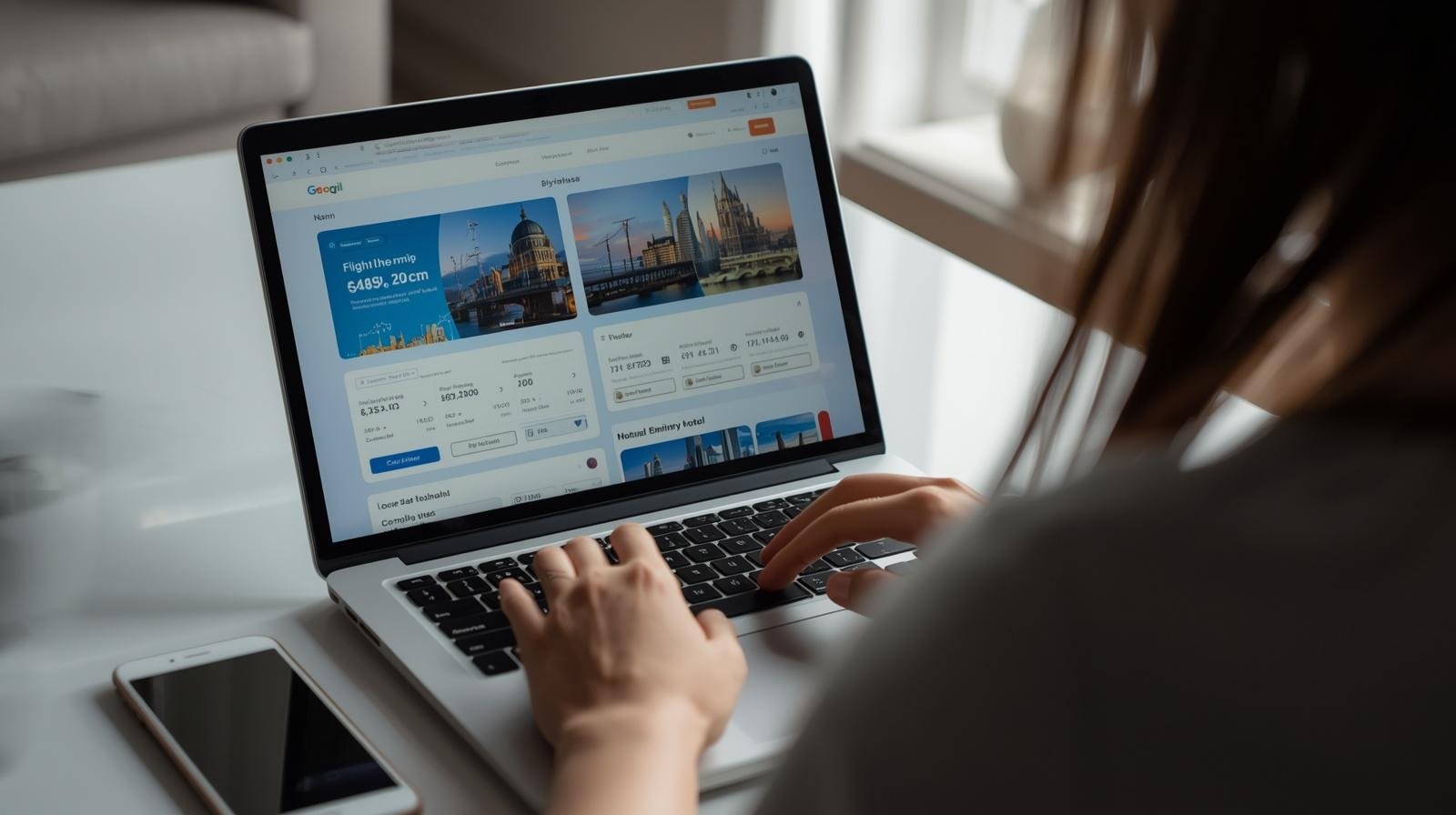
- Compare flight prices on different platforms
- Use buses or trains for short distances
- Book tickets early
- Travel with light luggage to avoid extra charges
Sometimes indirect routes cost less than direct routes.
Step 6: Find Low Cost Accommodation
Accommodation can take a large part of the budget.
Options include:
- Hostels
- Guest houses
- Budget hotels
- Home rentals
Compare prices across platforms. Read reviews before booking.
Staying outside main tourist areas can reduce cost.
Step 7: Plan Daily Spending
Daily spending includes food, transport, and small purchases.
To manage it:
- Set a daily limit
- Choose local food options
- Use public transport
- Avoid impulse buying
Tracking daily spending helps avoid overspending.
Step 8: Use Travel Deals and Discounts
Many platforms offer deals.
Ways to find them:
- Use coupon codes
- Check seasonal offers
- Subscribe to travel deal alerts
Students and groups may get extra discounts.
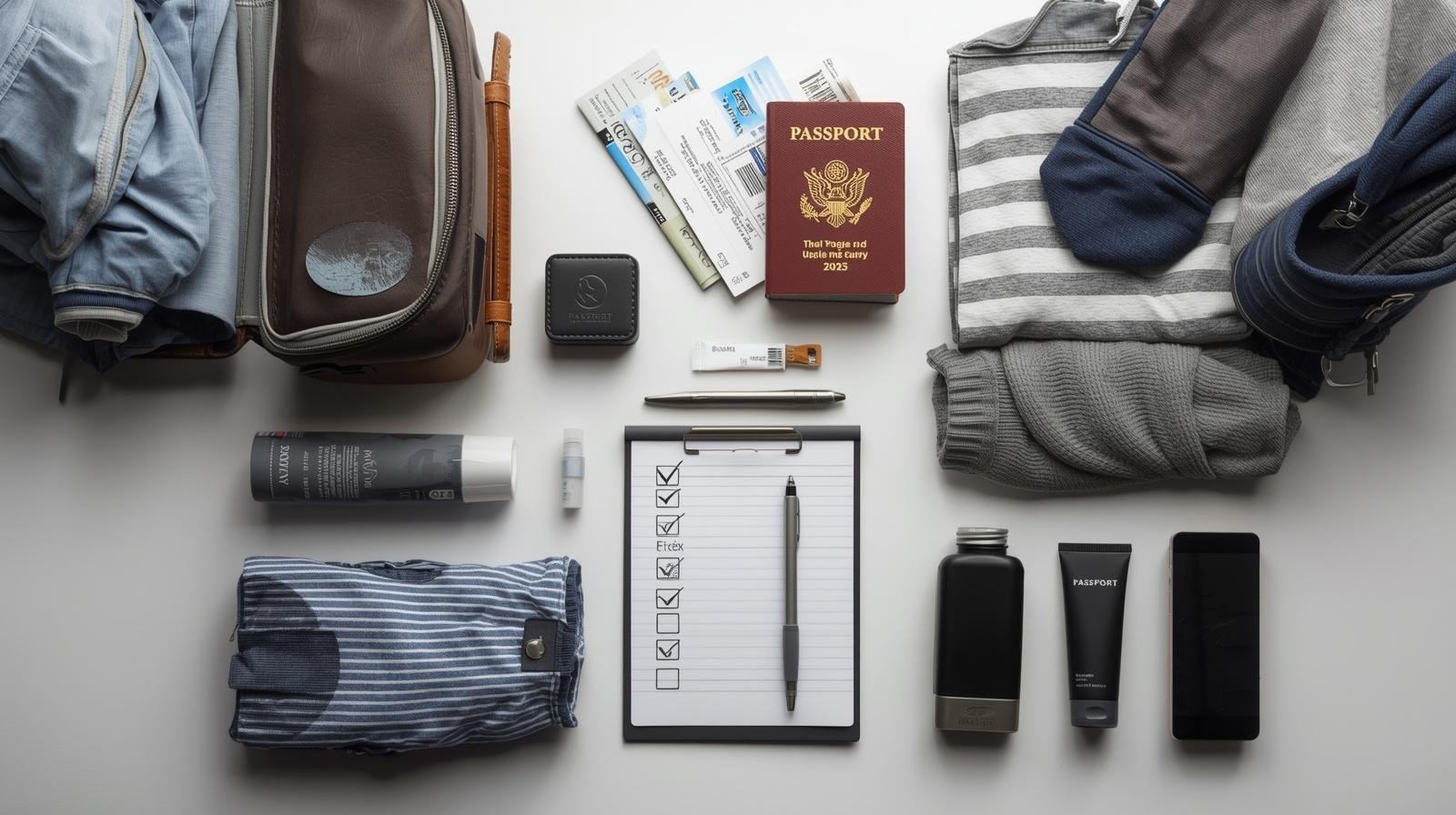
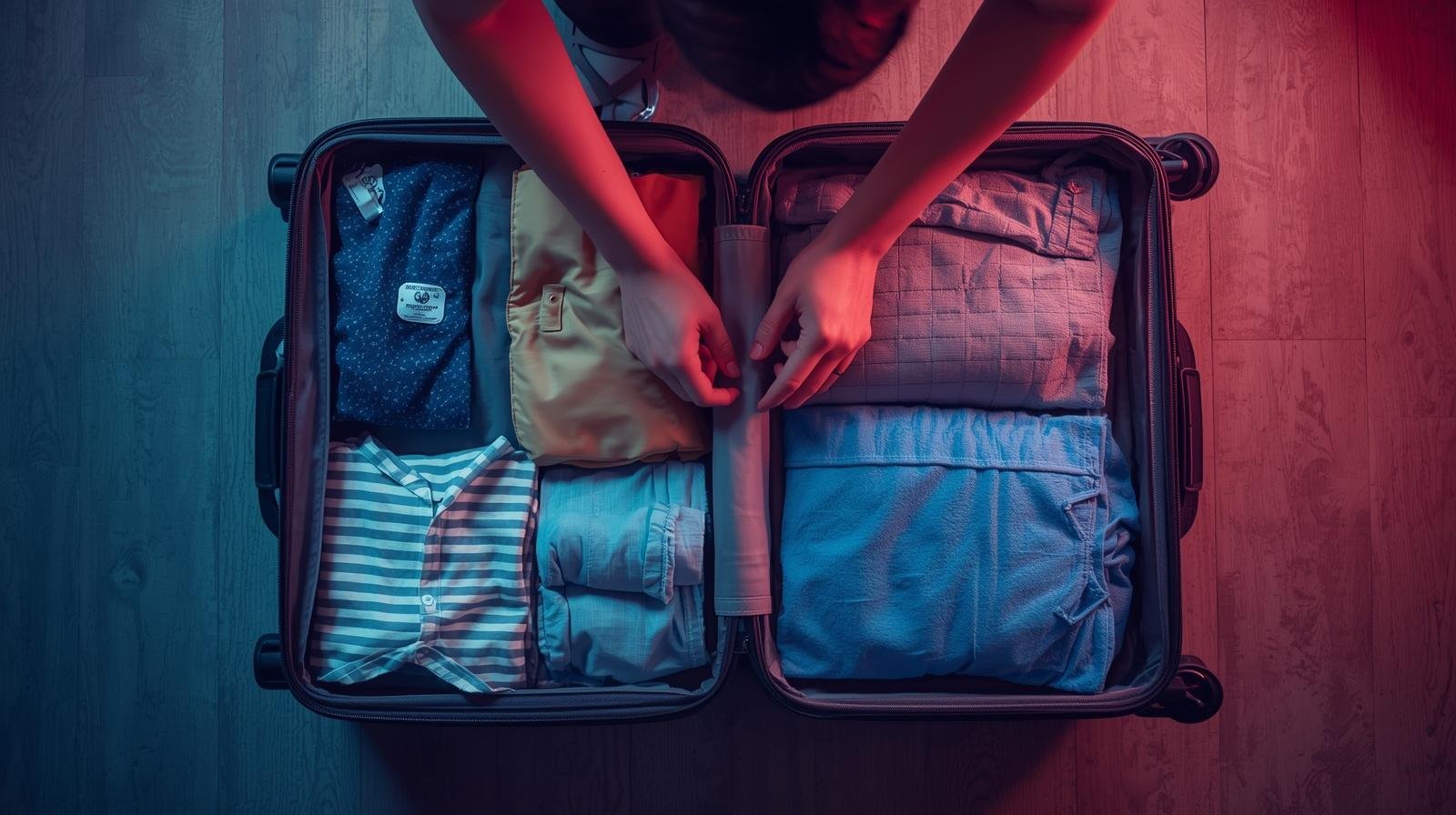
Step 9: Pack Smart to Avoid Extra Cost
Packing affects cost in many ways.
To save money:
- Carry only needed items
- Avoid extra luggage fees
- Bring reusable items like water bottles
Proper packing reduces last minute purchases.
Step 10: Prepare for Emergencies
Unexpected events can increase cost.
Set aside part of the budget for:
- Medical needs
- Transport changes
- Lost items
This fund prevents stress during travel.
Step 11: Track Expenses During the Trip
Many travelers lose control of spending during the trip.
To avoid this:
- Record each expense
- Use mobile apps or notes
- Compare daily spending with planned budget
Regular tracking helps maintain control.
Step 12: Avoid Common Beginner Mistakes
Beginners often make errors that increase cost.
Common mistakes include:
- Booking at the last minute
- Ignoring hidden charges
- Not comparing prices
- Carrying too much luggage
Learning from these mistakes helps improve future trips.
Step 13: Use Technology for Planning
Digital tools make planning easier.
Useful tools include:
- Flight comparison websites
- Hotel booking platforms
- Budget tracking apps
- Map and navigation apps
These tools save time and money.
Step 14: Travel in Groups When Possible
Group travel can reduce cost.
Shared expenses include:
- Accommodation
- Transport
- Food
This method works well for beginners who want support.
Step 15: Review and Improve Future Plans
After the trip, review all spending.
Ask:
- Where did you spend more
- Where could you save more
- What worked well
This review helps in better planning next time.
Conclusion
Budget travel is possible with proper planning. Beginners can travel without high cost by following clear steps. Setting goals, choosing the right destination, managing spending, and using available tools all help reduce cost.
With practice, planning becomes easier. Each trip teaches lessons that improve future travel decisions.



Leave a Reply