The Future of Mobile Technology: Trends Shaping the Next Generation
Introduction
Mobile technology has become an essential part of everyday life. From communicating with loved ones to managing businesses and accessing education, smartphones have transformed how people interact with the world. However, the mobile industry continues to evolve at a remarkable pace. Innovations that once seemed futuristic are now becoming a reality, promising smarter, faster, and more personalized experiences.
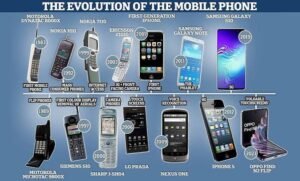
As technology advances, the next generation of mobile devices will go beyond traditional communication. Artificial intelligence, advanced connectivity, sustainable designs, and immersive digital experiences are reshaping the future of smartphones. This article explores the key trends that are expected to define the next generation of mobile technology.
1. Artificial Intelligence Will Become Smarter
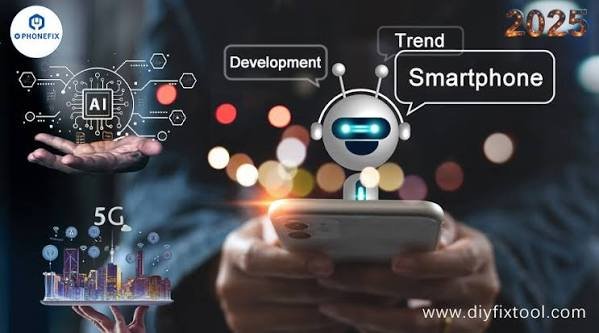
Artificial Intelligence (AI) is no longer just a feature—it is becoming the foundation of modern smartphones. AI already powers voice assistants, camera enhancements, language translation, and personalized recommendations. In the future, mobile devices will become even more intelligent.
Instead of simply responding to commands, smartphones will anticipate user needs by learning daily habits and preferences. They may automatically organize schedules, optimize battery usage, suggest relevant information, and provide real-time assistance without requiring manual input.
AI will also improve security by detecting unusual activities, identifying potential threats, and strengthening biometric authentication systems.
2. The Expansion of 5G and the Arrival of 6G
The rollout of 5G networks has significantly improved mobile internet speed, reduced latency, and increased network reliability. These improvements support smoother video streaming, faster downloads, and better online gaming experiences.
Looking ahead, researchers are already working on 6G technology. Although it is still under development, 6G promises even faster communication, ultra-low latency, and advanced connectivity for smart cities, autonomous vehicles, and the Internet of Things (IoT).
As these networks become more widespread, users can expect seamless digital experiences with minimal delays.
3. Foldable and Flexible Smartphones
Smartphone design is evolving rapidly. Foldable devices have already entered the market, allowing users to enjoy larger displays without sacrificing portability.
Future mobile devices may feature fully flexible screens, rollable displays, or even stretchable technology. These innovations could make smartphones more versatile for productivity, entertainment, and multitasking while offering unique form factors that adapt to different user needs.
As manufacturing techniques improve, foldable phones are likely to become more durable and affordable.
4. Improved Battery Technology
Battery life remains one of the biggest concerns for smartphone users. Manufacturers are investing heavily in new battery technologies that offer longer life, faster charging, and greater efficiency.
Solid-state batteries are expected to replace traditional lithium-ion batteries in the future. They have the potential to charge more quickly, last longer, and provide improved safety.
Wireless charging technology is also advancing. Future smartphones may support true over-the-air charging, allowing devices to recharge without being physically connected to a charging pad.
5. Enhanced Mobile Security
As smartphones store increasing amounts of personal and financial information, security is becoming more important than ever.
Future mobile devices will include stronger encryption, advanced facial recognition, fingerprint scanning, and AI-powered threat detection. Multi-factor authentication and secure digital identity systems will provide additional layers of protection.
Privacy-focused features will also give users greater control over how their personal data is collected and shared.
6. Augmented Reality and Virtual Reality Integration
Augmented Reality (AR) and Virtual Reality (VR) are expected to play a larger role in mobile technology. These technologies are already used in gaming, education, shopping, and navigation, but future smartphones will offer even more immersive experiences.
Users may virtually try on clothes before purchasing, view furniture inside their homes before buying, or participate in realistic virtual meetings using mobile devices.
As hardware becomes more powerful, AR and VR applications will become faster, smoother, and more accessible.
7. Sustainable and Eco-Friendly Smartphones
Environmental concerns are encouraging manufacturers to create more sustainable products. Future smartphones will likely include recycled materials, energy-efficient components, and environmentally friendly packaging.
Many companies are also designing devices that are easier to repair, reducing electronic waste and extending product lifespan.
Consumers are becoming more environmentally conscious, making sustainability an important factor in future mobile innovation.
8. Smarter Internet of Things (IoT) Connectivity
The Internet of Things is connecting everyday devices through the internet. Smartphones already control smart homes, wearable devices, and connected appliances.
In the future, mobile phones will become even more powerful control centers, allowing users to manage lighting, security systems, healthcare devices, vehicles, and home appliances from a single interface.
Improved connectivity will make daily life more convenient and efficient.
9. Cloud Computing and Edge Computing
Cloud technology has changed how people store files and access applications. Future mobile devices will rely even more on cloud computing, reducing the need for large amounts of internal storage.
At the same time, edge computing will process data closer to the user, reducing delays and improving performance for applications like online gaming, video conferencing, and autonomous systems.
This combination will provide faster and more reliable mobile experiences.
10. Health and Wellness Features
Smartphones are becoming valuable tools for personal health management. Future devices may include advanced health sensors capable of monitoring heart rate, blood pressure, sleep quality, hydration levels, and other health indicators.
AI-powered health applications will provide personalized recommendations and early warnings, helping users make informed decisions about their well-being.
These innovations may support preventive healthcare and improve communication between patients and healthcare providers.
Challenges Facing Future Mobile Technology
Despite exciting advancements, several challenges remain. Data privacy, cybersecurity risks, electronic waste, and the high cost of emerging technologies continue to concern consumers and industry experts.
Governments, technology companies, and researchers must work together to establish regulations and develop responsible solutions that protect users while encouraging innovation.
Balancing technological progress with ethical considerations will be essential for long-term success.
Conclusion
The future of mobile technology promises a world where smartphones become smarter, faster, safer, and more connected than ever before. Artificial intelligence, next-generation networks, flexible displays, sustainable designs, advanced security, and immersive digital experiences are set to redefine how people interact with technology.
As these innovations continue to develop, mobile devices will move beyond communication tools to become intelligent companions that support education, healthcare, business, entertainment, and everyday life. While challenges remain, the next generation of mobile technology offers tremendous opportunities to improve convenience, productivity, and quality of life for people around the world.