Top 10 Mobile Innovations Transforming Everyday Life
Introduction
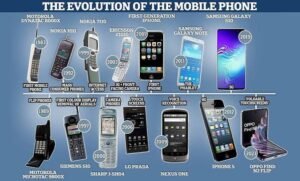
Mobile technology has evolved far beyond making calls and sending text messages. Today, smartphones serve as personal assistants, entertainment hubs, fitness trackers, digital wallets, and productivity tools. Every year, new innovations continue to reshape the way people communicate, work, learn, and manage their daily lives.
From artificial intelligence to ultra-fast connectivity, modern mobile technology is making everyday tasks easier, faster, and more efficient. These advancements are not only improving user experiences but also transforming industries such as healthcare, education, finance, and transportation.
In this article, we explore the top 10 mobile innovations that are changing everyday life and shaping the future of digital technology.
1. Artificial Intelligence (AI) in Smartphones
Artificial Intelligence has become one of the most significant innovations in modern smartphones. AI enhances user experiences by learning habits, predicting needs, and automating everyday tasks.
Today’s AI-powered smartphones can:
- Improve photo quality automatically.
- Translate languages in real time.
- Organize schedules and reminders.
- Detect spam calls and messages.
- Optimize battery performance.
As AI continues to advance, smartphones will become even more intelligent, providing personalized assistance tailored to each user’s lifestyle.
2. 5G Connectivity
The introduction of 5G technology has revolutionized mobile internet by offering significantly faster speeds and lower latency than previous generations.
Benefits of 5G include:
- Faster downloads and uploads.
- Smooth HD and 4K video streaming.
- Better online gaming experiences.
- Reliable video conferencing.
- Improved connectivity for smart devices.
As 5G networks expand worldwide, users can expect more reliable and seamless digital experiences.
3. Mobile Payment Systems
Carrying cash is becoming less necessary thanks to secure mobile payment solutions. Smartphones now allow users to make purchases, transfer money, and pay bills with just a tap.
Mobile payment technology offers:
- Faster transactions.
- Contactless payments.
- Enhanced security through biometric authentication.
- Convenience for online and in-store shopping.
Digital wallets are making financial transactions easier and more secure than ever before.
4. Advanced Smartphone Cameras
Mobile photography has improved dramatically over the past decade. Modern smartphones now feature multiple lenses, AI-powered image processing, and professional-grade photography capabilities.
Innovations include:
- Night mode photography.
- Optical image stabilization.
- High-resolution sensors.
- Portrait effects.
- 8K video recording.
These improvements have allowed users to capture stunning photos and videos without carrying dedicated cameras.
5. Foldable and Flexible Displays
Smartphone design is undergoing a major transformation with the introduction of foldable displays. These devices combine portability with larger screen sizes, making multitasking and entertainment more enjoyable.
Future flexible display technologies may include:
- Rollable screens.
- Bendable displays.
- Lightweight foldable devices.
- Improved durability.
These innovations provide greater flexibility while maintaining smartphone portability.
6. Mobile Health and Fitness Tracking
Smartphones have become powerful health companions. Combined with wearable devices, they help users monitor their physical activity and overall well-being.
Popular health features include:
- Heart rate monitoring.
- Step counting.
- Sleep tracking.
- Workout guidance.
- Mental wellness support.
Many health applications also provide personalized insights that encourage healthier lifestyles.
7. Cloud Storage and Mobile Productivity
Cloud computing has changed how people access files and collaborate with others. Users can now store documents, photos, and videos online while accessing them from any device.
Advantages include:
- Automatic backups.
- Easy file sharing.
- Remote collaboration.
- Reduced storage limitations.
- Better data security.
Cloud technology has become essential for students, professionals, and businesses.
8. Augmented Reality (AR)
Augmented Reality blends digital content with the real world through smartphone cameras. It has expanded beyond gaming into education, shopping, healthcare, and navigation.
Examples of AR applications include:
- Virtual furniture placement.
- Interactive learning experiences.
- Navigation with real-world directions.
- Virtual makeup and clothing try-ons.
- Product visualization before purchase.
AR creates engaging and interactive experiences that simplify everyday decision-making.
9. Voice Assistants and Smart Automation
Voice assistants have become an important part of mobile technology. Users can control their smartphones using simple voice commands, making daily tasks quicker and more convenient.
Voice assistants can:
- Set reminders.
- Answer questions.
- Send messages.
- Control smart home devices.
- Play music.
- Provide navigation assistance.
As speech recognition improves, voice interaction will become even more natural and accurate.
10. Enhanced Mobile Security
With smartphones storing sensitive personal and financial information, security has become a top priority.
Modern security innovations include:
- Fingerprint recognition.
- Facial authentication.
- End-to-end encryption.
- Secure digital wallets.
- AI-powered threat detection.
These technologies help protect users against cyber threats while maintaining privacy and convenience.
How These Innovations Are Improving Daily Life
Mobile innovations are transforming nearly every aspect of modern living. They help people communicate instantly, work remotely, manage finances, monitor their health, learn new skills, and access entertainment from virtually anywhere.
Businesses also benefit from mobile technology by improving customer service, increasing productivity, and enabling flexible work environments. As smartphones become more intelligent and connected, they continue to simplify complex tasks and save valuable time.
Challenges of Rapid Mobile Innovation
Despite these remarkable advancements, several challenges remain:
- Protecting user privacy and personal data.
- Managing cybersecurity risks.
- Reducing electronic waste.
- Ensuring affordable access to new technologies.
- Addressing digital inequality in developing regions.
Overcoming these challenges will be essential to ensuring that future mobile innovations benefit everyone.
Conclusion
Mobile technology continues to evolve at an extraordinary pace, transforming how people live, work, communicate, and interact with the world. Innovations such as artificial intelligence, 5G connectivity, advanced cameras, foldable displays, cloud computing, augmented reality, mobile payments, health monitoring, voice assistants, and stronger security are making smartphones more powerful than ever before.
As these technologies continue to develop, mobile devices will become even more intelligent, efficient, and integrated into everyday life. The future promises exciting possibilities that will further enhance convenience, productivity, and connectivity, making mobile technology an even more essential part of our daily routines.