7 Powerful Benefits of Geothermal Energy: How It Works, Uses & Future Potential
As the world looks for cleaner and more reliable ways to produce electricity and heat, renewable energy has become increasingly important. Solar panels and wind turbines are now common sights, but another powerful energy source often receives less attention: geothermal energy.
Geothermal energy comes from the natural heat stored inside the Earth. Unlike solar and wind power, which depend heavily on weather conditions, geothermal resources can provide a steady supply of energy throughout the day and night. This makes geothermal power an interesting option for countries and communities looking to reduce their dependence on fossil fuels.
From generating electricity to heating buildings and supporting agriculture, geothermal energy has a wide range of applications. In this article, we will explore what geothermal energy is, how it works, its major benefits and disadvantages, common uses, and its potential role in the future of clean energy.
What Is Geothermal Energy?
Geothermal energy is heat that comes from beneath the Earth’s surface. The deeper layers of the planet contain enormous amounts of thermal energy, created partly by the Earth’s original formation and partly by the natural decay of radioactive materials.
This heat can reach underground water and rocks, creating hot water and steam. In areas where geothermal resources are easily accessible, people can use this natural heat for electricity generation, heating, and other purposes.
The word “geothermal” comes from Greek roots meaning Earth and heat. Unlike fossil fuels, geothermal resources are naturally replenished over time, making them an important renewable energy resource when managed responsibly.
How Does Geothermal Energy Work?
The basic process depends on the type of geothermal resource available.
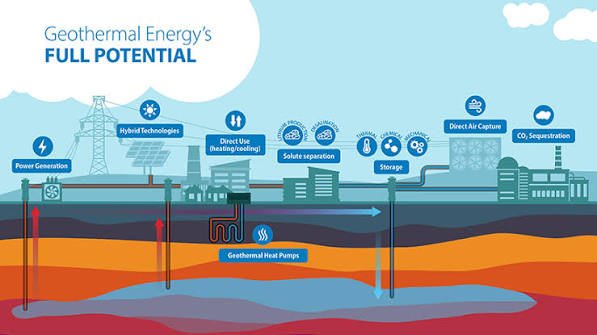
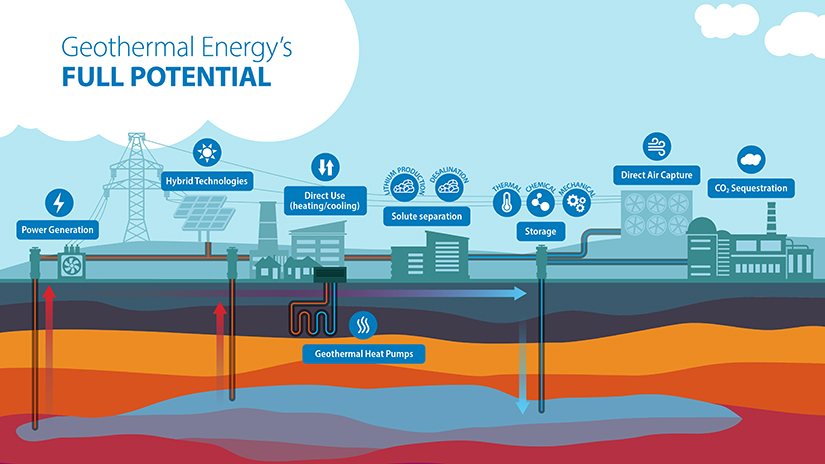
In a geothermal power plant, wells are drilled deep into the ground to reach hot water or steam. The steam or hot water is then brought to the surface and used to drive a turbine connected to a generator.
The generator converts the mechanical energy of the turbine into electricity. After the heat is extracted, water can often be returned underground through injection wells. This process helps maintain the geothermal reservoir and allows the resource to be used over a long period.
There are several types of geothermal power plants, including dry steam, flash steam, and binary cycle systems. Each method is designed for different underground temperature and resource conditions.
Types of Geothermal Resources
Geothermal resources can be found in different forms, and their usefulness depends on temperature, depth, geology, and accessibility.
Hot Water Resources
Underground reservoirs can contain naturally heated water. This water may be used directly for heating or brought to the surface to generate electricity.
Steam Resources
Some geothermal areas contain natural steam underground. Steam can be directed toward turbines to produce electricity.
Hot Rocks
Hot rocks beneath the Earth’s surface can also contain significant thermal energy. Certain technologies are being developed to access heat from areas where natural underground water systems are limited.
Geothermal Heat Pumps
Geothermal heat pumps use the relatively stable temperature beneath the ground to heat and cool buildings. They do not necessarily require the extremely hot underground conditions associated with traditional geothermal power plants.
Geothermal Electricity Generation
One of the most important applications of geothermal energy is electricity generation.
Geothermal power plants use underground heat to produce steam or another working fluid that drives a turbine. Because the Earth’s heat is continuously available, geothermal power plants can potentially operate around the clock.
This is an important advantage over some renewable energy technologies whose output changes depending on weather or time of day.
Geothermal electricity is especially practical in regions with strong geothermal resources. Countries located near tectonic plate boundaries or volcanic regions may have particularly favorable conditions.
Benefits of Geothermal Energy
Geothermal energy offers several important advantages.
Renewable Resource
The Earth’s internal heat is naturally replenished. With appropriate management, geothermal reservoirs can provide energy for many years.
Reliable Energy
Geothermal plants can produce electricity consistently. They are not dependent on sunlight or wind conditions, making them useful for providing steady power.
Lower Carbon Emissions
Geothermal energy generally produces much lower greenhouse gas emissions than conventional fossil-fuel power generation. This makes it a potential tool for reducing emissions from the energy sector.
Small Land Footprint
Geothermal facilities can produce significant amounts of energy without requiring the same large land areas sometimes associated with other energy projects.
Useful for Heating
Geothermal energy is not limited to electricity production. Direct heating systems and geothermal heat pumps can provide heating for homes, commercial buildings, greenhouses, and industrial processes.
Long-Term Potential
Because heat exists throughout the Earth, geothermal energy has enormous theoretical potential. The main challenge is developing economical ways to access useful geothermal resources.
Disadvantages of Geothermal Energy
Although geothermal energy has many benefits, it also has limitations.
Location Requirements
Traditional geothermal power plants are most economical in areas with suitable underground heat, water, and geological conditions. Not every location has easily accessible high-temperature resources.
High Initial Costs
Exploration and drilling can be expensive. Companies may need to drill deep wells before knowing exactly how much usable geothermal energy is available.
Geological Risk
There is always some uncertainty when exploring underground resources. A project may discover that temperatures, water flow, or rock conditions are not as favorable as expected.
Environmental Considerations

Geothermal projects need careful environmental management. Depending on the resource, underground fluids can contain naturally occurring minerals or gases that must be handled properly.
Some geothermal operations may also contribute to induced seismic activity under certain conditions. Careful site selection, monitoring, and engineering practices are therefore important.
Geothermal Energy for Homes
Homeowners can use geothermal technology through ground-source heat pumps.
These systems use underground temperatures to help heat homes during cold weather and cool them during warmer months. Pipes are installed underground, where temperatures remain more stable than the air above the surface.
During winter, the system transfers heat from the ground into a building. During summer, the process can be reversed, moving heat from the building into the ground.
Although installation costs can be higher than those of some conventional heating and cooling systems, geothermal heat pumps can offer long-term energy savings in suitable situations.
Geothermal Energy in Agriculture
Agriculture is another area where geothermal heat can be useful.
Greenhouses can use geothermal heat to maintain suitable temperatures for plants. This can extend growing seasons and reduce the amount of conventional fuel needed for heating.
Geothermal resources may also be used for aquaculture, crop drying, and other agricultural processes.
Because the heat can be available continuously, geothermal systems can provide a dependable energy source for operations that require stable temperatures.
Industrial Uses of Geothermal Energy
Industries often require large amounts of heat for manufacturing and processing. Geothermal resources can sometimes provide this heat directly.
Possible applications include food processing, mineral extraction, drying materials, and other industrial processes.
Using geothermal heat directly can be more efficient than first converting the heat into electricity and then using electricity to produce heat.
The suitability of geothermal energy depends on the required temperature and the characteristics of the local geothermal resource.
Geothermal Energy and the Environment
Geothermal energy is generally considered a low-carbon energy source, but it is not completely without environmental impacts.
Drilling and construction can disturb land temporarily. Geothermal fluids may contain minerals and gases that require proper treatment. Water management is also important, particularly in areas where water resources are limited.
Modern geothermal projects can use monitoring and reinjection systems to reduce environmental impacts. Returning geothermal water underground can help maintain reservoir pressure and reduce the need to dispose of large quantities of geothermal fluids.
Responsible planning is therefore essential for ensuring that geothermal projects remain environmentally sustainable.
The Future of Geothermal Energy
The future of geothermal energy could become more exciting as technology improves.
One promising area is enhanced geothermal systems. These approaches aim to access heat from hot underground rocks in locations where natural geothermal reservoirs may not provide sufficient water or permeability.
Improved drilling technology could also make it possible to reach deeper and hotter resources. Advances in exploration techniques may reduce the risk associated with identifying suitable geothermal sites.
If these technologies become more affordable, geothermal energy could potentially expand beyond traditional geothermal regions.
Another opportunity is combining geothermal systems with other renewable technologies. For example, geothermal power can provide consistent electricity while solar and wind generation varies. A diversified energy system could therefore benefit from geothermal’s reliability.
Is Geothermal Energy Worth Investing In?
Whether geothermal energy is worth investing in depends on location, project size, available resources, financing, and energy requirements.
For regions with strong geothermal resources, it can provide reliable renewable electricity and long-term economic benefits. For homeowners, geothermal heat pumps may be attractive when long-term heating and cooling costs are more important than the initial installation price.
Businesses may also consider geothermal systems when they have significant heating requirements and access to suitable resources.
Before making an investment, it is important to conduct professional feasibility studies and evaluate installation costs, resource availability, maintenance requirements, environmental regulations, and expected energy savings.
Frequently Asked Questions
1. What is geothermal energy?
Geothermal energy is renewable energy produced from the natural heat stored beneath the Earth’s surface. It can be used for electricity generation, heating, and various industrial applications.
2. How does geothermal energy work?
Geothermal systems access underground heat through wells or ground-based systems. Hot water or steam can be used to generate electricity, while geothermal heat pumps can transfer heat for building heating and cooling.
3. Is geothermal energy renewable?
Yes. Geothermal energy is considered renewable because the Earth’s internal heat is continuously produced and naturally replenished.
4. What are the main benefits of geothermal energy?
Major benefits include reliable energy production, low greenhouse gas emissions, a relatively small land footprint, and the ability to provide electricity and heating throughout the day.
5. What are the disadvantages of geothermal energy?
Geothermal energy can have high initial installation and drilling costs. Traditional geothermal power plants also require suitable underground resources, which are not available everywhere.
6. Can geothermal energy generate electricity?
Yes. Geothermal power plants use underground heat to produce steam or another working fluid that drives turbines connected to electricity generators.
7. Can geothermal energy be used in homes?
Yes. Geothermal heat pumps can use the relatively stable temperature underground to heat and cool residential buildings.
8. Is geothermal energy environmentally friendly?
Geothermal energy generally produces significantly lower greenhouse gas emissions than fossil-fuel energy. However, geothermal projects still require careful management of land, water, underground fluids, and potential environmental impacts.
9. Where is geothermal energy most effective?
Traditional geothermal power is most effective in areas with accessible underground heat, water, and favorable geological conditions. Volcanic and tectonically active regions can have particularly strong geothermal resources.
10. What is the future of geothermal energy?
The future of geothermal energy could expand with improvements in drilling, exploration, and enhanced geothermal technologies. These developments may make geothermal resources accessible in more locations and increase their role in clean energy systems.
Final Thoughts
Geothermal energy is a powerful renewable resource that uses the natural heat beneath our feet. It can generate electricity, heat buildings, support agriculture, and provide industrial heat.
Its biggest strengths include reliability, low operational emissions, and the ability to provide energy regardless of whether the sun is shining or the wind is blowing. However, high upfront costs, geological uncertainty, and location requirements can make some projects challenging.
As drilling, exploration, and geothermal technologies continue to improve, the role of geothermal energy could expand significantly. For a world searching for reliable and cleaner energy sources, the heat stored beneath the Earth’s surface may become an increasingly valuable part of the energy mix.
Geothermal energy may not receive as much attention as solar or wind power, but its ability to provide steady renewable energy makes it an important technology to watch in the transition toward a cleaner and more sustainable future.