Solar Technology: The Future of Clean Energy and Sustainable Power

(Introduction)
Solar technology has become one of the most important innovations in the modern energy world. As countries, businesses, and individuals search for cleaner and more affordable energy solutions, solar power has emerged as a reliable alternative to traditional fossil fuels. The growing demand for renewable energy has encouraged rapid improvements in solar technology, making solar systems more efficient, accessible, and practical for everyday use.
Solar technology is the process of converting sunlight into usable electricity or heat through advanced devices such as solar panels, solar cells, and solar energy systems. Unlike traditional energy sources that depend on limited resources, solar energy uses the power of the sun, which is naturally available and renewable.
Today, solar technology is being used in homes, commercial buildings, industries, transportation systems, and even large-scale power plants. With increasing concerns about climate change, rising energy costs, and environmental pollution, solar energy is becoming a major part of the global transition toward sustainable power.
What Is Solar Technology?
Solar technology refers to the methods and equipment used to capture, convert, and utilize energy from sunlight. The main component of most solar systems is the solar panel, which contains photovoltaic cells. These cells absorb sunlight and convert it into electrical energy.
The basic idea behind solar technology is simple: sunlight contains energy, and solar devices transform that energy into a form that humans can use. However, modern solar systems involve advanced engineering, materials science, electronics, and energy storage solutions to improve performance.
There are two major categories of solar technology:
1. Solar Photovoltaic Technology
Solar photovoltaic (PV) technology converts sunlight directly into electricity. Solar panels installed on rooftops, buildings, and solar farms are examples of photovoltaic systems.
When sunlight reaches photovoltaic cells, it creates an electrical reaction that produces direct current electricity. An inverter then converts this electricity into alternating current, which can be used to power homes and businesses.
2. Solar Thermal Technology
Solar thermal technology uses sunlight to produce heat. This heat can be used for water heating, space heating, industrial processes, and electricity generation.
Solar thermal systems are especially useful in areas where heating needs are high and sunlight is abundant.
How Solar Panels Work
Solar panels work by using photovoltaic cells made from semiconductor materials, commonly silicon. When sunlight hits these cells, it causes electrons to move, creating an electrical current.
The electricity generated by solar panels goes through several steps:
- Solar panels capture sunlight.
- Photovoltaic cells convert sunlight into electricity.
- An inverter changes the electricity into usable power.
- The electricity is distributed to appliances, buildings, or the electrical grid.
- Excess energy may be stored in batteries for later use.
This process allows people to generate their own electricity while reducing dependence on traditional energy sources.
The Importance of Solar Technology
Solar technology plays a significant role in solving some of the biggest energy challenges facing the world. Traditional energy production from coal, oil, and gas creates greenhouse gas emissions that contribute to climate change.
Solar energy provides a cleaner alternative because it produces electricity without releasing harmful emissions during operation.
Some major benefits of solar technology include:
Clean and Renewable Energy Source
The sun provides an unlimited supply of energy. Unlike fossil fuels, solar energy does not depend on resources that can run out.
Lower Electricity Costs
Installing solar panels can help reduce monthly electricity bills. Many homeowners and businesses use solar systems to produce their own power and save money over time.
Environmental Protection
Solar technology helps reduce air pollution and carbon emissions. Increased use of solar power can support global efforts to protect the environment.
Energy Independence
Solar systems allow individuals, communities, and countries to produce their own energy instead of relying completely on imported fuels.
Evolution of Solar Technology
Solar technology has developed significantly over the past several decades. Early solar panels were expensive and had limited efficiency, making them difficult for widespread use.
Modern advancements have improved solar panel performance through:
- Better photovoltaic materials
- Improved manufacturing techniques
- Advanced energy storage systems
- Smart solar management technologies
- More efficient solar designs
Today, solar panels are more affordable, durable, and powerful than ever before.
Types of Solar Panels
Different types of solar panels are available depending on efficiency, cost, and application.
Monocrystalline Solar Panels
Monocrystalline panels are made from a single crystal structure of silicon. They usually offer high efficiency and long-term performance.
Polycrystalline Solar Panels
Polycrystalline panels are created from multiple silicon fragments. They are generally more affordable but may have slightly lower efficiency.
Thin-Film Solar Panels
Thin-film panels use lightweight layers of photovoltaic materials. They are flexible and can be used in special applications where traditional panels are not suitable.
Solar Technology in Homes
Residential solar technology has become increasingly popular around the world. Homeowners install rooftop solar panels to generate electricity, reduce energy expenses, and increase energy security.
A home solar system typically includes:
- Solar panels
- Inverter
- Mounting equipment
- Battery storage (optional)
- Monitoring system
With modern smart monitoring tools, homeowners can track energy production and consumption in real time.
Solar Technology for Businesses
Businesses are adopting solar technology to reduce operational costs and demonstrate environmental responsibility. Large commercial buildings often have enough rooftop space to install powerful solar systems.
Companies benefit from solar energy through:
- Reduced electricity expenses
- Protection against rising energy prices
- Improved sustainability reputation
- Support for corporate environmental goals
The Role of Battery Storage in Solar Technology
Energy storage has become an important part of modern solar systems. Solar panels produce electricity during daylight hours, but energy demand often continues after sunset.
Solar batteries store extra electricity generated during the day and provide power when sunlight is unavailable.
Battery storage improves:
- Energy reliability
- Backup power availability
- Solar system efficiency
- Grid independence
The Future of Solar Technology
The future of solar technology looks promising as researchers continue developing new solutions to increase efficiency and reduce costs.
Future innovations may include:
- More efficient solar cells
- Transparent solar panels
- Solar-powered transportation
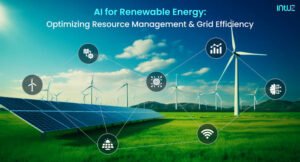
- Artificial intelligence-based energy management
- Improved battery technology
As technology continues to improve, solar energy is expected to become an even larger part of the global energy system.
Solar Technology: A Complete Guide to Modern Solar Energy (Part 2)
Advantages of Solar Technology
Solar technology has become increasingly popular because it provides many benefits for individuals, businesses, and governments. The continuous improvement of solar systems has made renewable energy more practical and affordable.
1. Reduces Electricity Expenses
One of the biggest advantages of solar technology is the ability to reduce electricity costs. By generating their own electricity, homeowners and businesses can lower their dependence on traditional power providers.
A properly designed solar system can produce enough energy to cover a large portion of daily electricity needs. Over time, the savings from reduced electricity bills can help recover the initial investment in solar installation.
2. Environmentally Friendly Energy Solution
Solar technology produces clean energy without releasing harmful pollutants during electricity generation. Unlike fossil fuels, solar power does not require burning coal, oil, or gas.
The increased use of solar energy helps reduce:
- Carbon dioxide emissions
- Air pollution
- Greenhouse gases
- Dependence on non-renewable resources
By choosing solar technology, communities can contribute to environmental protection and climate change reduction.
3. Renewable and Unlimited Energy Source
The sun provides an enormous amount of energy every day. Solar technology allows humans to capture and use this natural resource efficiently.
Unlike fossil fuels, which require millions of years to form, sunlight is continuously available and renewable. This makes solar power an important solution for long-term energy security.
4. Low Maintenance Requirements

Modern solar systems require very little maintenance compared with many traditional energy systems.
Solar panels usually need:
- Occasional cleaning
- Regular performance checks
- Basic system inspections
Because solar panels have no moving parts, there are fewer chances of mechanical failure.
5. Increases Property Value
Homes and commercial buildings equipped with solar technology can become more attractive to buyers. Energy-efficient properties often have higher market value because they offer lower operating costs.
Solar installations can be viewed as a long-term investment that improves both energy efficiency and property appeal.
Disadvantages of Solar Technology
Although solar technology provides many benefits, it also has some challenges that should be considered before installation.
1. High Initial Installation Cost
The biggest challenge of solar technology is the upfront cost. Purchasing solar panels, inverters, batteries, and installation services requires an initial investment.
However, decreasing equipment prices and available financing options have made solar systems more accessible.
2. Dependence on Sunlight
Solar panels depend on sunlight to generate electricity. Energy production can decrease during:
- Cloudy weather
- Rainy seasons
- Winter months
- Nighttime hours
Battery storage systems can help overcome this limitation by storing extra electricity for later use.
3. Space Requirements
Solar panels require suitable space for installation. Homes with limited rooftop areas may have fewer options for installing large solar systems.
Large solar farms also require significant land areas to generate high amounts of electricity.
4. Energy Storage Challenges
Since solar energy production is highest during daylight hours, storing electricity for nighttime use remains an important challenge.
Advancements in battery technology are helping solve this issue, but storage systems can still add additional costs.
Solar Technology Installation Process
Installing a solar system involves several important steps. A professional installation ensures that the system performs efficiently and safely.
Step 1: Solar Site Assessment
Before installation begins, experts evaluate the location to determine:
- Available sunlight
- Roof condition
- Energy requirements
- Suitable panel placement
A proper assessment helps design a system that meets the user’s energy needs.
Step 2: Choosing the Right Solar System
Different users require different solar solutions. Factors that influence system selection include:
- Electricity consumption
- Available space
- Budget
- Future energy requirements
A small home system may require fewer panels, while a commercial building may need a large-scale solar installation.
Step 3: Installing Solar Panels
During installation, solar panels are mounted on rooftops, ground structures, or other suitable locations.
The panels must be positioned correctly to receive maximum sunlight throughout the day.
Step 4: Connecting Electrical Components
After installing panels, technicians connect:
- Inverters
- Wiring systems
- Safety equipment
- Monitoring devices
The inverter plays an important role by converting solar energy into usable electricity.
Step 5: Testing and Activation
The final stage involves checking the complete system to ensure proper operation.
Once approved, the solar system can begin producing clean electricity.
Solar Technology Applications
Solar technology is used in many different industries and environments. Its flexibility makes it suitable for small personal systems as well as large energy projects.
Residential Solar Applications
Homes commonly use solar technology for:
- Electricity generation
- Water heating
- Outdoor lighting
- Battery backup systems
- Smart energy management
Residential solar systems help families reduce energy expenses while supporting clean energy goals.
Commercial Solar Applications
Businesses use solar technology to power:
- Offices
- Factories
- Shopping centers
- Warehouses
- Hotels
Commercial solar installations can significantly reduce operational costs.
Agricultural Solar Applications
Farmers are increasingly using solar technology for:
- Solar water pumps
- Greenhouses
- Irrigation systems
- Farm electricity needs
Solar-powered agriculture improves efficiency and reduces dependence on expensive fuel sources.
Transportation and Solar Technology
Solar energy is also being explored in transportation. Solar technology can support:
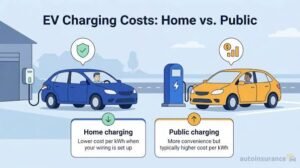
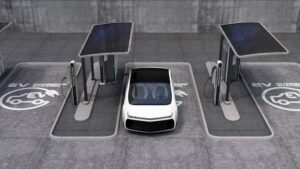
- Electric vehicle charging stations
- Solar-powered vehicles
- Public transportation systems
As battery and solar efficiency improve, solar-powered transportation may become more common.
Solar Technology and Energy Independence
Energy independence is one of the strongest reasons people and organizations invest in solar technology.
Countries that rely heavily on imported fuels face challenges related to price changes and supply interruptions. Expanding solar energy production can help nations create more stable energy systems.
At the individual level, solar panels allow homeowners to generate their own electricity and reduce dependence on traditional energy networks.
How Solar Technology Helps Fight Climate Change
Climate change is one of the greatest environmental challenges facing the world. Energy production from fossil fuels is a major contributor to greenhouse gas emissions.
Solar technology provides a cleaner alternative by producing electricity without direct carbon emissions during operation.
Increasing solar adoption can help:
- Reduce fossil fuel consumption
- Lower greenhouse gas emissions
- Improve air quality
- Support sustainable development
Frequently Asked Questions (FAQs) About Solar Technology
1. What is solar technology?
Solar technology is a system that uses sunlight to generate electricity or heat. It includes solar panels, photovoltaic cells, solar batteries, and other devices that convert solar energy into usable power for homes, businesses, and industries.
2. How does solar technology work?
Solar technology works by capturing sunlight through solar panels. The photovoltaic cells inside the panels convert sunlight into direct current (DC) electricity. An inverter then changes this electricity into alternating current (AC), which can be used to power electrical appliances and systems.
3. What are the main benefits of solar technology?
The main benefits of solar technology include lower electricity costs, reduced carbon emissions, renewable energy production, energy independence, and less reliance on fossil fuels. Solar systems also require low maintenance compared to many traditional energy sources.
4. Is solar technology suitable for homes?
Yes, solar technology is suitable for residential use. Many homeowners install rooftop solar panels to generate their own electricity, reduce energy bills, and improve energy efficiency. Solar systems can be customized according to a home’s energy requirements.
5. How long do solar panels last?
Most modern solar panels can last between 25 and 30 years or more with proper maintenance. Although their efficiency may slowly decrease over time, high-quality solar panels can continue producing electricity for many years.
6. Does solar technology work on cloudy days?
Yes, solar technology can still produce electricity on cloudy days, although energy production may be lower compared to sunny conditions. Solar panels can capture available sunlight even when direct sunlight is limited.
7. Is solar technology expensive to install?
The initial cost of solar technology can be high because it includes equipment and installation expenses. However, long-term savings on electricity bills, financing options, and falling solar equipment prices have made solar systems more affordable.
8. Can solar technology provide electricity at night?
Solar panels do not generate electricity at night because there is no sunlight. However, solar battery storage systems can store extra energy produced during the day and provide electricity when sunlight is unavailable.
9. What are the different types of solar technology?
The main types of solar technology include solar photovoltaic (PV) systems, solar thermal systems, and concentrated solar power systems. Each type has different applications, from electricity generation to heating and industrial use.
10. What is the future of solar technology?

The future of solar technology is expected to include more efficient solar panels, advanced battery storage, smart energy management systems, and innovative solar applications. As technology improves, solar energy will become an increasingly important part of global renewable energy solutions.
Conclusion
Solar technology has become a powerful solution for creating a cleaner and more sustainable future. By converting sunlight into usable energy, solar systems help reduce dependence on traditional fuels while providing an affordable and renewable source of electricity. With continuous improvements in solar panels, batteries, and smart energy systems, solar technology is becoming more efficient and accessible for homes, businesses, and industries around the world.
The growing adoption of solar energy shows that renewable power is not just a temporary trend but an important part of the future energy system. As technology continues to advance, solar power will play a major role in reducing pollution, lowering energy costs, and supporting global environmental goals.