Energy Efficiency: A Complete Guide to Saving Energy, Reducing Costs, and Building a Sustainable Future
Introduction to Energy Efficiency
Energy has become one of the most important resources in modern society. Almost every activity in our daily lives depends on energy, from lighting our homes and charging electronic devices to operating industries, transportation systems, and communication networks. However, increasing energy demand, rising energy prices, and environmental concerns have made it necessary to use energy in a smarter and more responsible way.
This is where energy efficiency plays a vital role. Energy efficiency means using less energy to perform the same task while maintaining the same level of comfort, productivity, and performance. It focuses on reducing unnecessary energy waste and improving the way energy is produced, delivered, and consumed.
For example, an energy-efficient LED bulb can provide the same amount of light as a traditional incandescent bulb while using significantly less electricity. Similarly, an energy-efficient refrigerator can keep food cold while consuming less power compared to older models.
Energy efficiency is not only about saving electricity; it is a complete approach that affects homes, businesses, industries, transportation, and governments. By adopting energy-efficient technologies and practices, individuals and organizations can reduce costs, protect natural resources, and contribute to a cleaner environment.
In today’s world, where climate change and resource shortages are major challenges, improving energy efficiency has become one of the easiest and most effective ways to create a sustainable future.
What Is Energy Efficiency?
Energy efficiency refers to the process of reducing energy consumption while achieving the same output or result. It involves using advanced technologies, improved designs, and better habits to avoid wasting energy.
In simple words, energy efficiency means getting more results with less energy.
For example:
- A traditional light bulb may use 60 watts of electricity to produce light.
- An LED bulb may produce the same brightness using only 10 watts.
The LED bulb is more energy-efficient because it provides the same service while consuming less energy.
Energy efficiency can be applied in many areas, including:
- Residential buildings
- Commercial offices
- Factories and industries
- Transportation systems
- Electrical appliances
- Heating and cooling systems
- Renewable energy technologies
The main goal of energy efficiency is not to reduce the quality of life but to eliminate unnecessary energy losses.
Why Is Energy Efficiency Important?
Energy efficiency has become increasingly important because the world faces growing energy challenges. Population growth, industrial development, and technological advancement have increased global energy consumption.
Improving energy efficiency provides several important benefits.
1. Reducing Energy Costs
One of the biggest advantages of energy efficiency is financial savings. When homes and businesses use energy more efficiently, they consume less electricity and fuel, resulting in lower utility bills.
For households, simple improvements such as using efficient appliances, improving insulation, and installing smart energy controls can significantly reduce monthly expenses.
For businesses, energy efficiency can reduce operating costs and increase profitability.
2. Protecting the Environment
Traditional energy production often depends on fossil fuels such as coal, oil, and natural gas. Burning these fuels releases greenhouse gases that contribute to climate change and air pollution.
Energy efficiency helps reduce the demand for fossil fuels by lowering overall energy consumption. This leads to fewer carbon emissions and a healthier environment.
3. Conserving Natural Resources
Energy resources are limited. Fossil fuels require millions of years to form, and excessive consumption can reduce their availability.
By improving energy efficiency, society can reduce pressure on natural resources and ensure that future generations have access to reliable energy supplies.
4. Improving Energy Security
Many countries depend on imported energy resources to meet their needs. High dependence on external energy supplies can create economic and political challenges.
Energy efficiency reduces energy demand, helping countries become less dependent on imported fuels and improving national energy security.
Energy Efficiency and Modern Technology
Technology has transformed the way people use energy. Modern innovations allow homes, businesses, and industries to monitor and control energy consumption more effectively.
Some examples of energy-efficient technologies include:
Smart Energy Systems
Smart energy systems use sensors, automation, and digital controls to manage energy usage. Smart thermostats, smart lighting systems, and energy monitoring devices help users understand their consumption patterns and reduce waste.
Energy-Efficient Appliances
Modern appliances are designed to provide better performance while using less electricity. Examples include:
- Energy-efficient refrigerators
- High-efficiency washing machines
- Low-power televisions
- Advanced air conditioning systems
LED Lighting
LED technology is one of the most successful examples of energy efficiency. LEDs consume less electricity, produce less heat, and have a longer lifespan compared with traditional lighting systems.
The Role of Energy Efficiency in Homes
Homes are among the largest consumers of energy worldwide. Heating, cooling, lighting, and household appliances contribute significantly to residential energy use.
Improving home energy efficiency can create a more comfortable living environment while reducing energy expenses.
Important methods include:
Better Insulation
Proper insulation prevents heat loss during winter and keeps homes cooler during summer. This reduces the workload of heating and cooling systems.
Efficient Heating and Cooling
Heating and air conditioning systems consume a large amount of energy. Using high-efficiency systems and maintaining them regularly can improve performance and reduce electricity usage.
Smart Home Technology
Smart devices allow homeowners to control lighting, temperature, and appliances automatically. These systems can identify unnecessary energy use and help reduce waste.
Energy Efficiency in Buildings
Buildings are responsible for a significant portion of global energy consumption. Offices, schools, shopping centers, and residential buildings require energy for lighting, heating, cooling, and equipment.
Energy-efficient building design focuses on reducing energy demand through:
- Better architectural planning
- Natural lighting
- Efficient ventilation systems
- High-quality insulation
- Energy-saving windows
- Smart building management systems
Green buildings demonstrate how thoughtful design can reduce environmental impact while improving comfort.
Industrial Energy Efficiency
Industries are among the largest consumers of energy in the world. Manufacturing plants, factories, and production facilities require enormous amounts of electricity and fuel to operate machines, manage production lines, and maintain working conditions.
Improving energy efficiency in industries can create significant economic and environmental benefits. Companies can reduce operational costs, increase productivity, and lower their environmental impact by using advanced technologies and better management practices.
Industrial energy efficiency focuses on improving every stage of the production process, including energy generation, equipment operation, maintenance, and resource management.
Efficient Industrial Equipment
Modern industrial equipment is designed to deliver higher performance while consuming less energy. Replacing outdated machinery with energy-efficient alternatives can dramatically reduce electricity usage.
Examples include:
- High-efficiency motors
- Advanced heating systems
- Energy-saving compressors
- Automated production equipment
- Efficient cooling systems
Industrial motors are especially important because they consume a large percentage of electricity used in factories. Using efficient motors and controlling their operation through modern systems can prevent unnecessary energy waste.
Energy Management Systems in Industries
Energy management systems help organizations monitor, analyze, and control their energy consumption.
These systems use digital technology to collect information about energy usage and identify areas where improvements can be made.
Benefits of energy management systems include:
- Detecting energy waste
- Improving equipment performance
- Reducing operating costs
- Creating better energy strategies
- Supporting sustainability goals
Many large organizations now use smart energy monitoring platforms to achieve long-term efficiency improvements.
Renewable Energy and Energy Efficiency
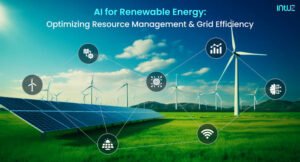
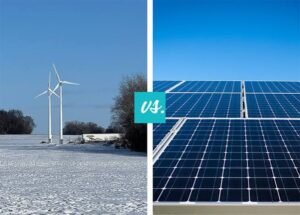
Renewable energy and energy efficiency are two important solutions for creating a sustainable energy future. While renewable energy focuses on producing clean energy from natural sources, energy efficiency focuses on reducing unnecessary energy consumption.
Combining both approaches creates a stronger and more reliable energy system.
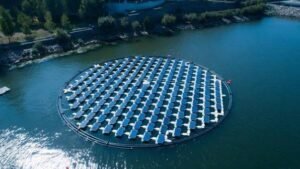
For example, a building with solar panels can generate clean electricity, but using energy-efficient lighting, appliances, and insulation ensures that less energy is required.
Popular renewable energy sources include:
- Solar power
- Wind energy
- Hydroelectric power
- Geothermal energy
- Biomass energy
When renewable energy is combined with energy efficiency, it reduces dependence on fossil fuels and helps lower greenhouse gas emissions.
Energy Efficiency in Transportation
Transportation is another major area where energy efficiency has a significant impact. Cars, trucks, airplanes, and ships consume large amounts of fuel and contribute to air pollution.
Improving transportation efficiency helps reduce fuel consumption, lower costs, and decrease environmental damage.
Fuel-Efficient Vehicles
Modern vehicles are designed with improved engines, lightweight materials, and advanced technologies to use less fuel.
Examples include:
- Hybrid vehicles
- Electric vehicles
- Fuel-efficient gasoline cars
- Improved public transportation systems
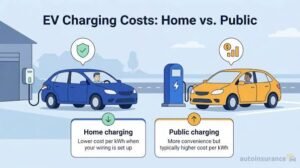
Electric vehicles are becoming increasingly popular because they can reduce dependence on fossil fuels when powered by clean electricity.
Benefits of Energy-Efficient Transportation
Energy-efficient transportation provides several advantages:
Lower Fuel Costs
Vehicles that use less energy require less fuel or electricity, helping individuals and businesses save money.
Reduced Pollution
Lower fuel consumption means fewer harmful emissions are released into the atmosphere.
Better Energy Security
Reducing oil dependence helps countries create more stable and sustainable energy systems.
Improved Urban Life
Efficient public transportation can reduce traffic congestion and improve air quality in cities.
Energy Efficiency in Commercial Buildings
Commercial buildings such as offices, hotels, restaurants, and shopping centers consume large amounts of energy every day.
Electricity is used for:
- Lighting
- Heating and cooling
- Computers and equipment
- Security systems
- Elevators
- Refrigeration
Businesses can improve energy efficiency by implementing smart solutions.
Smart Lighting Systems
Traditional lighting systems often waste electricity when lights remain on unnecessarily. Smart lighting uses sensors and automation to adjust lighting based on occupancy and natural daylight.
Efficient Heating and Cooling Systems
Heating, ventilation, and air conditioning systems are major energy users in commercial buildings.
Energy-efficient HVAC systems help maintain comfortable temperatures while reducing electricity consumption.
Building Automation Technology
Building automation systems allow companies to control energy use through centralized digital platforms.
These systems can automatically manage:
- Temperature settings
- Lighting schedules
- Equipment operation
- Energy monitoring
Energy Efficiency for Small Businesses
Energy efficiency is not only important for large companies. Small businesses can also benefit from simple improvements.
Small business owners can reduce energy costs by:
- Replacing old bulbs with LED lighting
- Turning off unused equipment
- Maintaining electrical systems
- Using energy-efficient appliances
- Improving building insulation
These changes may seem small, but they can create significant savings over time.
The Economic Impact of Energy Efficiency
Energy efficiency is not only an environmental solution; it is also an economic opportunity.
Investing in efficient technologies creates jobs in areas such as:
- Renewable energy installation
- Building improvement
- Technology development
- Energy consulting
- Equipment manufacturing
Governments and businesses around the world recognize energy efficiency as a key part of economic growth.
Efficient energy use helps companies remain competitive by reducing expenses and improving productivity.
Energy Efficiency and Climate Change
Climate change is one of the greatest challenges facing humanity. Increasing greenhouse gas emissions have contributed to rising temperatures, extreme weather events, and environmental damage.
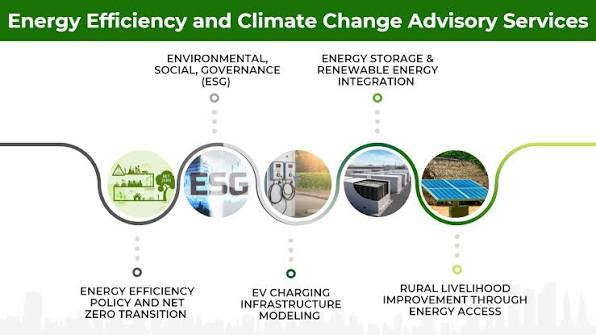
Energy production and consumption are major sources of carbon emissions. Improving energy efficiency helps address climate change by reducing the amount of energy needed from polluting sources.
Every energy-saving action contributes to a cleaner future, whether it happens in a home, office, factory, or transportation system.
Government Policies and Energy Efficiency Programs
Governments around the world play an important role in promoting energy efficiency. Through policies, regulations, incentives, and awareness programs, governments encourage individuals, businesses, and industries to reduce energy waste.
Energy efficiency policies help create a framework where efficient technologies become easier to adopt and more affordable for everyone.
Common government approaches include:
- Setting energy performance standards
- Supporting renewable energy projects
- Providing financial incentives
- Creating energy-saving regulations
- Promoting public awareness campaigns
These initiatives help countries reduce energy demand while supporting economic development.
Energy Efficiency Standards and Certifications
Energy efficiency standards provide guidelines for designing and manufacturing products that consume less energy. These standards help consumers identify efficient products and make better purchasing decisions.
Many countries use energy labels on appliances to show their energy performance.
Common products with efficiency ratings include:
- Refrigerators
- Air conditioners
- Washing machines
- Lighting products
- Heating equipment
Energy certifications help customers compare products and choose options that provide better performance with lower energy consumption.
Energy Audits: Understanding Energy Usage
An energy audit is a detailed examination of how energy is used in a home, building, or organization. The purpose of an energy audit is to identify areas where energy is being wasted and recommend improvements.
During an energy audit, experts analyze:
- Electricity consumption
- Heating and cooling systems
- Building insulation
- Lighting efficiency
- Equipment performance
After identifying problems, organizations can implement solutions that reduce energy costs and improve efficiency.
Energy audits are especially valuable for businesses and large buildings because small improvements can result in major savings.
Simple Ways to Improve Energy Efficiency at Home
Everyone can contribute to energy efficiency through daily actions. Small changes in household habits can create meaningful results when millions of people participate.
Use LED Lighting
Replacing traditional bulbs with LED lights is one of the easiest ways to save electricity. LEDs use less power, last longer, and produce less heat.
Reduce Standby Power Consumption
Many electronic devices continue to consume energy even when they are turned off. This is known as standby power.
Examples include:
- Televisions
- Chargers
- Computers
- Gaming devices
Unplugging unused devices or using smart power strips can reduce unnecessary energy use.
Improve Home Insulation
Good insulation helps maintain indoor temperatures by preventing heat loss during cold weather and keeping homes cooler during hot weather.
Better insulation reduces the need for heating and air conditioning.
Maintain Appliances Regularly
Regular maintenance helps appliances operate efficiently.
Examples:
- Cleaning air conditioner filters
- Checking refrigerator seals
- Maintaining heating systems
- Updating old equipment
Well-maintained appliances consume less energy and have a longer lifespan.
Energy Efficiency in the Future
The future of energy efficiency will be shaped by advanced technology, artificial intelligence, smart systems, and innovative designs.
As energy demand continues to increase, smarter solutions will become necessary to manage resources effectively.
Artificial Intelligence and Energy Management
Artificial intelligence can analyze energy usage patterns and automatically improve efficiency.
AI-powered systems can:
- Predict energy demand
- Control heating and cooling
- Detect energy waste
- Optimize industrial operations
These technologies allow buildings and industries to become more intelligent and energy-efficient.
Smart Homes and the Future of Living
Smart homes are becoming increasingly common. These homes use connected devices to improve comfort, security, and energy efficiency.
Smart home technologies include:
- Smart thermostats
- Automated lighting
- Energy monitoring systems
- Intelligent appliances
A smart home can automatically adjust energy use based on user behavior and environmental conditions.
For example, a smart thermostat can reduce heating or cooling when nobody is home, helping save energy without reducing comfort.
Energy Storage and Efficiency
Energy storage technology is becoming an important part of modern energy systems.
Battery storage allows renewable energy sources, such as solar and wind, to store excess energy for later use.
Efficient energy storage helps:
- Improve reliability
- Reduce energy waste
- Support renewable energy integration
- Provide backup power
As battery technology improves, energy systems will become more flexible and sustainable.
The Role of Individuals in Energy Efficiency
Although governments and businesses have a major role in improving energy efficiency, individual actions are equally important.
People can support energy efficiency by:
- Choosing efficient products
- Reducing unnecessary energy use
- Using public transportation when possible
- Supporting sustainable technologies
- Learning about energy-saving practices
Collective action can create a major impact on global energy consumption.
Frequently Asked Questions About Energy Efficiency
What is energy efficiency in simple words?
Energy efficiency means using less energy to complete the same task without reducing quality or performance.
For example, an energy-efficient appliance provides the same service while using less electricity.
Why is energy efficiency important?
Energy efficiency helps reduce energy costs, protect natural resources, decrease pollution, and support a cleaner environment.
How can I improve energy efficiency at home?
You can improve home energy efficiency by using LED bulbs, upgrading appliances, improving insulation, maintaining equipment, and reducing unnecessary electricity usage.
Is energy efficiency the same as saving energy?
Energy efficiency and energy saving are related but different.
Energy efficiency uses better technology and systems to achieve the same result with less energy, while energy saving often involves reducing usage through personal behavior changes.
Does energy efficiency help the environment?
Yes. Energy efficiency reduces energy demand, lowers greenhouse gas emissions, and decreases the need for fossil fuel consumption.
Can businesses benefit from energy efficiency?
Yes. Businesses can reduce operating costs, improve productivity, increase competitiveness, and strengthen their sustainability efforts through energy efficiency.
Frequently Asked Questions (FAQs) About Energy Efficiency
1. What is energy efficiency?
Energy efficiency means using less energy to perform the same task while maintaining the same level of performance and comfort. It involves using advanced technologies, efficient appliances, and smart practices to reduce energy waste. For example, an LED bulb uses less electricity than a traditional bulb while producing the same amount of light.
2. Why is energy efficiency important?
Energy efficiency is important because it helps reduce energy costs, conserve natural resources, and protect the environment. By using energy more efficiently, individuals and businesses can lower electricity bills, reduce carbon emissions, and decrease dependence on limited energy resources.
3. How can I improve energy efficiency at home?
You can improve energy efficiency at home by using LED lighting, choosing energy-efficient appliances, improving insulation, maintaining heating and cooling systems, and turning off unused electronic devices. Smart home technologies can also help monitor and control energy consumption.
4. What are the benefits of energy efficiency for businesses?
Energy efficiency helps businesses reduce operating expenses, improve productivity, and increase competitiveness. Companies can save money by reducing electricity consumption, upgrading equipment, and using smart energy management systems while also improving their environmental performance.
5. How does energy efficiency help the environment?
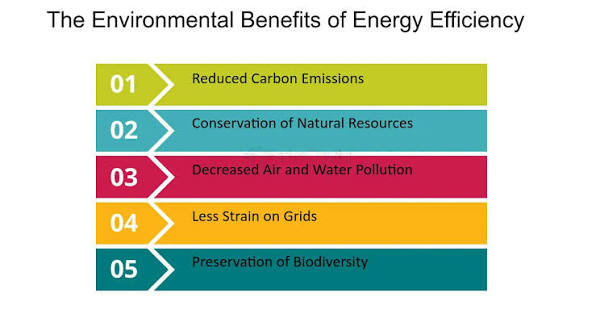
Energy efficiency helps the environment by reducing energy demand and lowering greenhouse gas emissions. When less energy is wasted, fewer fossil fuels are burned, which helps decrease air pollution, slow climate change, and protect natural resources.
Conclusion: The Importance of Energy Efficiency
Energy efficiency is a powerful way to reduce energy waste, lower costs, and create a more sustainable future. By using efficient technologies, improving daily habits, and adopting smarter energy solutions, individuals, businesses, and governments can save valuable resources. Energy efficiency not only helps protect the environment by reducing carbon emissions but also improves economic growth and energy security. As energy demand continues to increase, choosing efficient solutions will become more important than ever. A commitment to energy efficiency today can help build a cleaner, healthier, and more sustainable world for future generations.